Madrid neighbourhood guide
Malasaña, Madrid: A Neighbourhood Feature One Plaza at a Time
In Madrid's old printers' quarter, a 1980s countercultural explosion never quite finished — it just moved behind newer bar fronts.
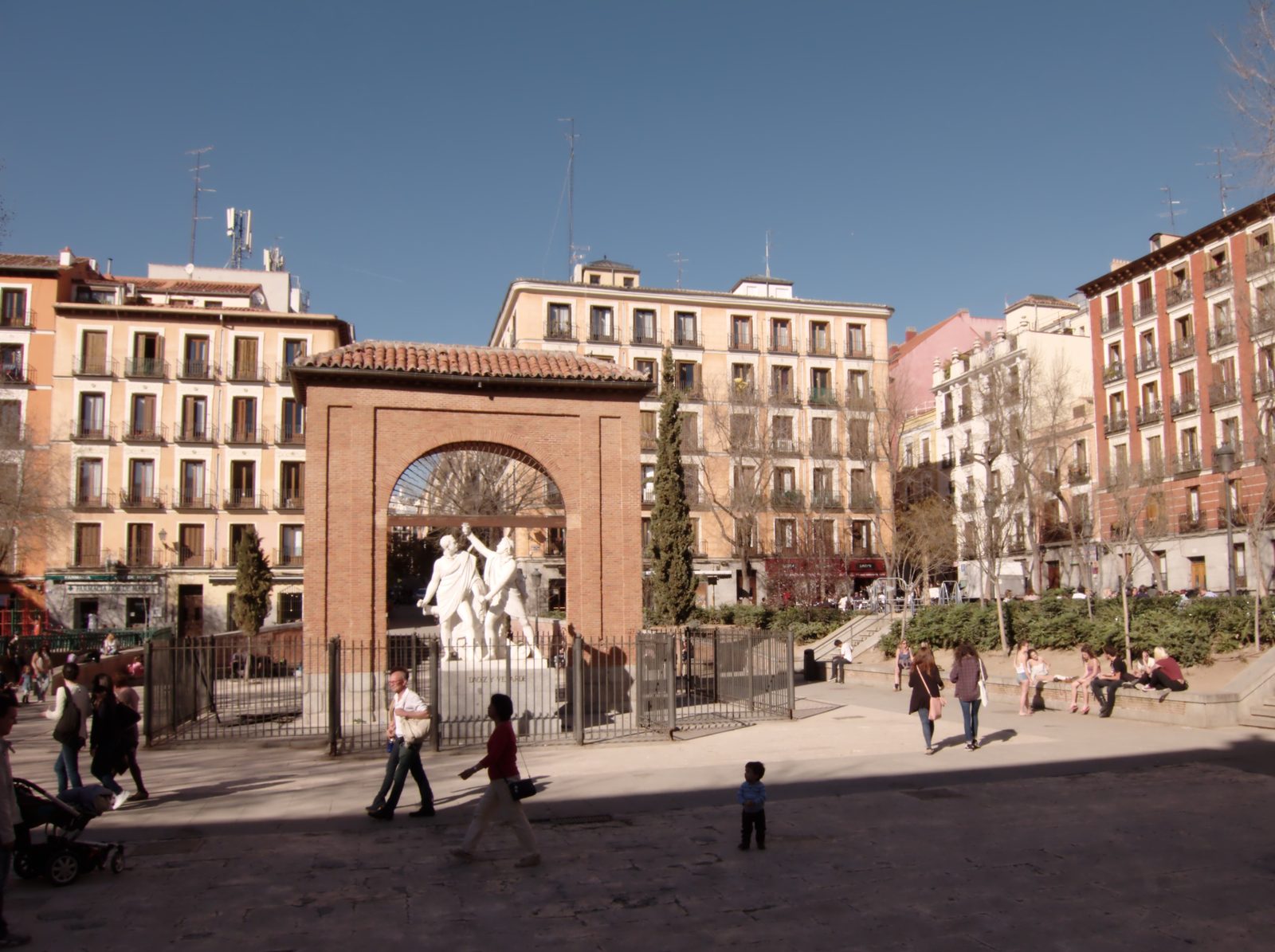
Plaza del Dos de Mayo still carries the scar of the 1808 uprising it's named for. Stand under the Arco de Monteleón on a Tuesday evening, before the terraces fill, and you can still trace the shape of the artillery barracks that stood here when Madrileños rose against Napoleon's occupying troops — the archway is what's left of it, and the square around it was redrawn in 1869 into the open space you cross today. That layering is the whole trick of this barrio: a monument to one uprising sits at the centre of a neighbourhood built by another, quieter one — the Movida Madrileña, the explosion of music, film and nightlife that took over these streets after Franco's death and never fully checked out.
What Malasaña is known for
Ask anyone over fifty in Madrid what Malasaña means and they'll mention the Movida before they mention the uprising. In the early 1980s this grid of narrow streets north of Gran Vía became the centre of a countercultural wave — young musicians, filmmakers and artists, Pedro Almodóvar among them, turned bars and basements here into the engine room of a new, post-dictatorship Spanish culture. It wasn't polished. It wasn't meant to be. What's left of that era isn't a museum piece; it's still operational, still pouring drinks, still running the same rooms under different names or, in a few stubborn cases, the same name it always had. That's the throughline worth understanding before you set foot on Calle Fuencarral: Malasaña doesn't perform its history for you the way a monument district does. It just kept living in it.
The barrio itself is compact — small enough to cross on foot in fifteen minutes, dense enough that you won't want to rush it. The grid between San Bernardo and Fuencarral holds three anchor squares — Plaza del Dos de Mayo, Plaza de San Ildefonso and Plaza de la Luna — and the terraces ringing each one fill differently depending on the hour and the day, which is really the only schedule you need to plan a visit around.
Eating and drinking in Malasaña
Start with the oldest room in the neighbourhood. Bodega de la Ardosa, on Calle Colón, has been pouring vermouth on tap since 1892, out of a tiled, barrel-lined space so narrow you'll turn sideways to let someone past with a tray. The tortilla de patatas here follows a house recipe — an exact potato count, hand-chopped, folded with egg and onion — developed specifically for this bar, and ordering anything else on your first visit would be a small act of self-sabotage.
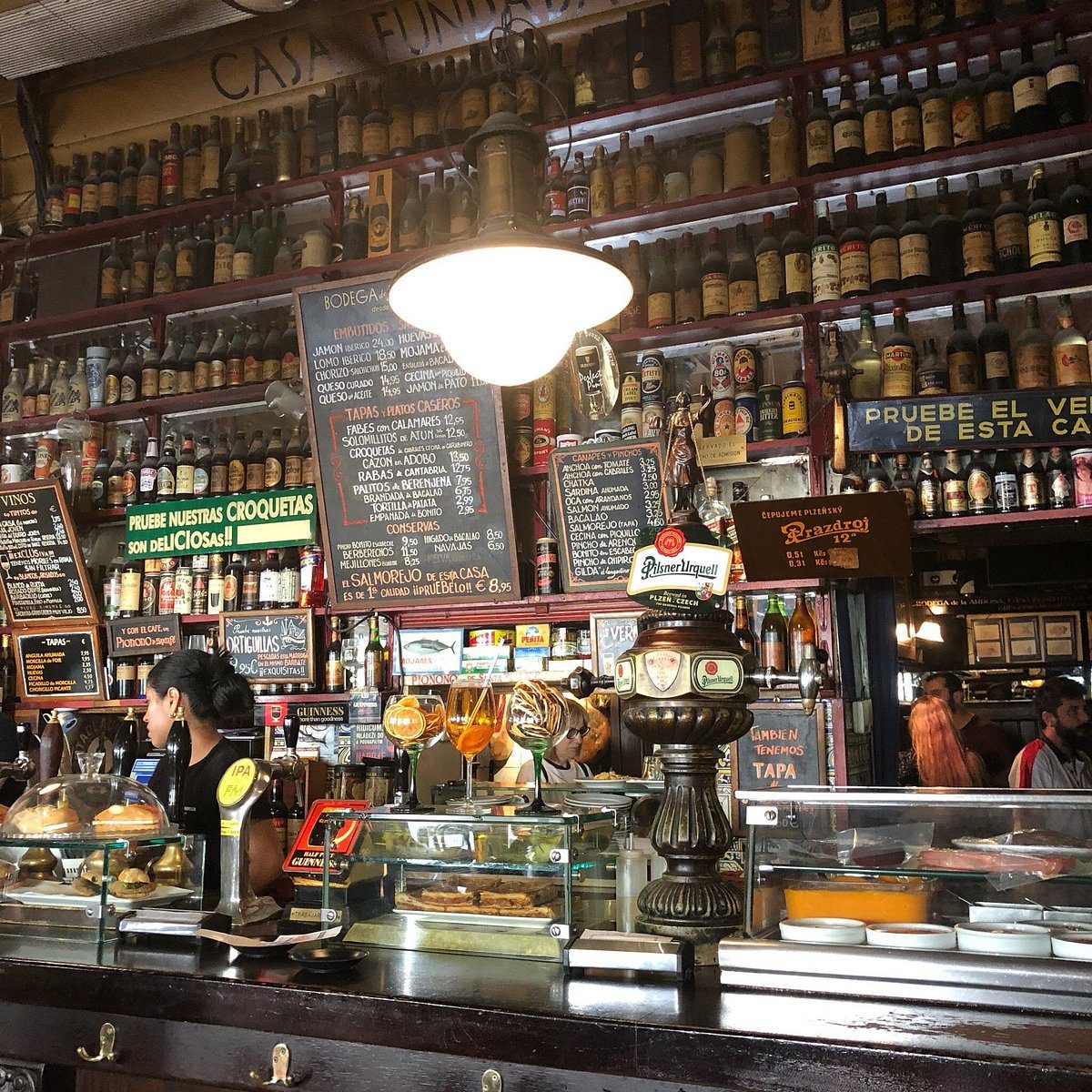
A few streets over, Casa Julio has been frying on Calle Madera for the better part of a century, and its croquetas have a citywide reputation that's outlasted several waves of Madrid's fashionable-restaurant churn — this is the kind of place locals send visiting family, not the kind that shows up on influencer maps. For a lighter, beer-forward version of the same tortilla obsession, Pez Tortilla on Calle del Pez is a tight little room built around craft beer and an acclaimed take on the dish, standing room mostly, conversation loud, exactly as it should be.
If your appetite runs vegetarian or vegan, Vega on Calle de la Luna builds its menu on ecological, local produce rather than treating plant-based eating as an afterthought bolted onto a meat menu — worth knowing, since Malasaña's food scene otherwise skews heavily toward ham, egg and fried things. And for beer drinkers specifically, Fábrica Maravillas on Calle Valverde was central Madrid's first brewpub, brewing on-site since 2012, copper tanks visible from the bar — a useful counterpoint to all that vermouth if you want to taste something the neighbourhood actually makes rather than just pours.
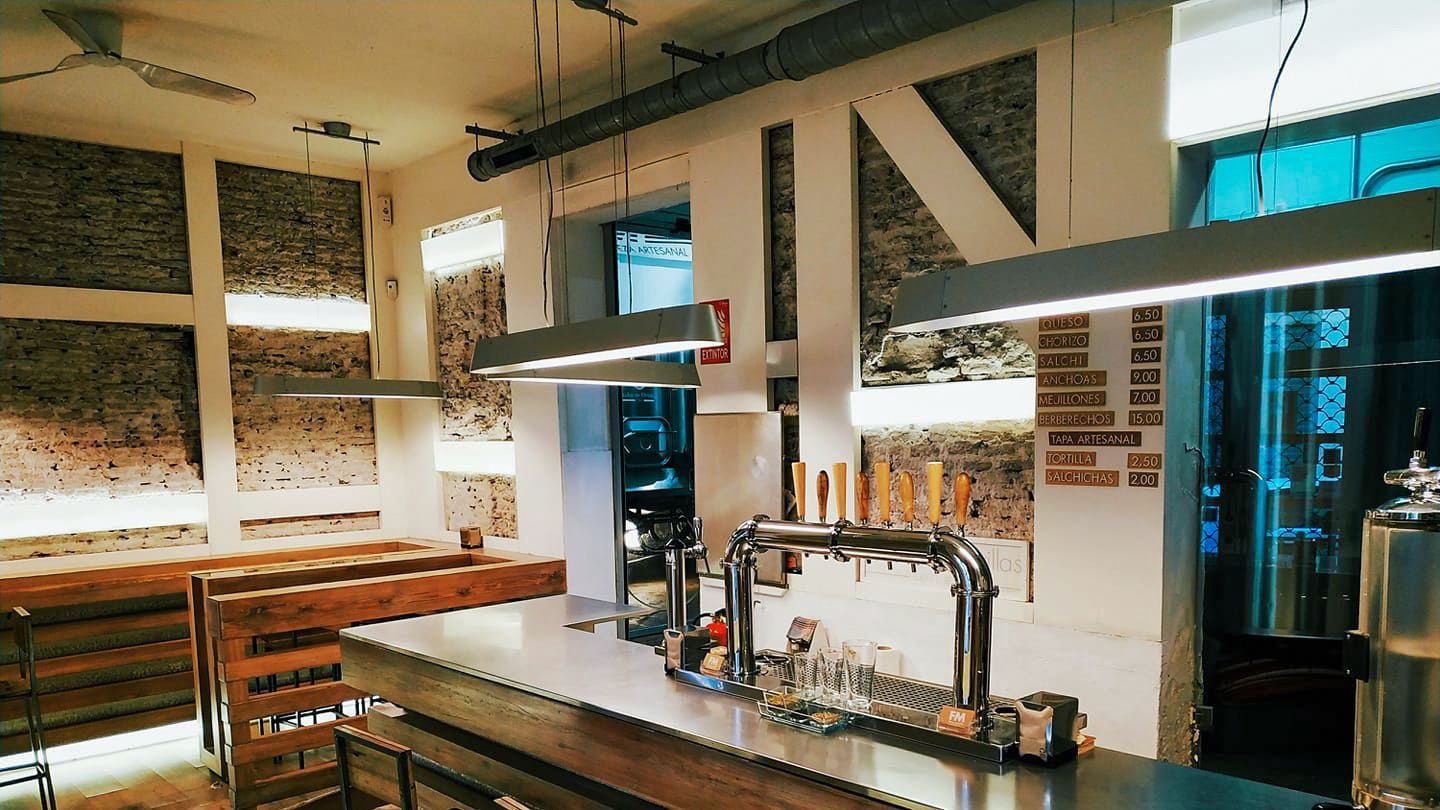
What unites Ardosa, Julio, Pez Tortilla, Vega and Fábrica Maravillas isn't cuisine — it's scale. None of them is trying to be a destination restaurant. They're neighbourhood rooms that happen to be very good at one or two things, and that's a distinctly Malasaña kind of ambition.
Nightlife in Malasaña
The after-dark scene here runs directly off the Movida that made the barrio famous, and nowhere shows that lineage more plainly than La Vía Láctea — a space-themed, graffiti-walled club that hosted rock gigs and DJ sets for the era's emerging bands back in the 1980s and, decades on, still runs rock, funk and electronic sets deep into the early hours. Walking in feels less like nostalgia and more like the party simply never wrapped up.
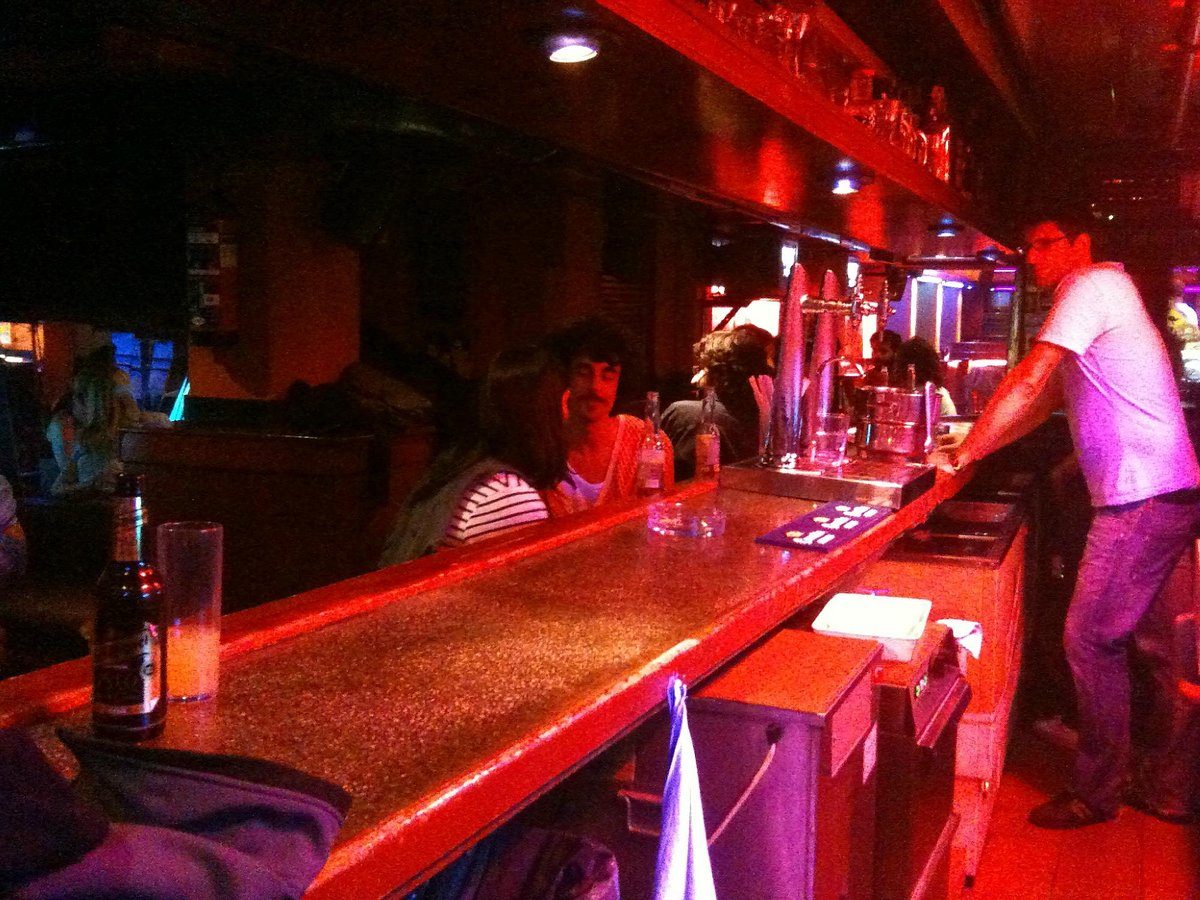
TupperWare, a few blocks away, leans into the same decade with kitsch 1980s decor and a booking policy that mixes rock, pop and the occasional jazz night — an alternative club in the truest sense, unpretentious about it. If you'd rather sit than dance, 1862 Dry Bar on Calle del Pez has a speakeasy feel and a cocktail list built around classic technique, the kind of place where the bartender is more interested in the drink than in performing for you.
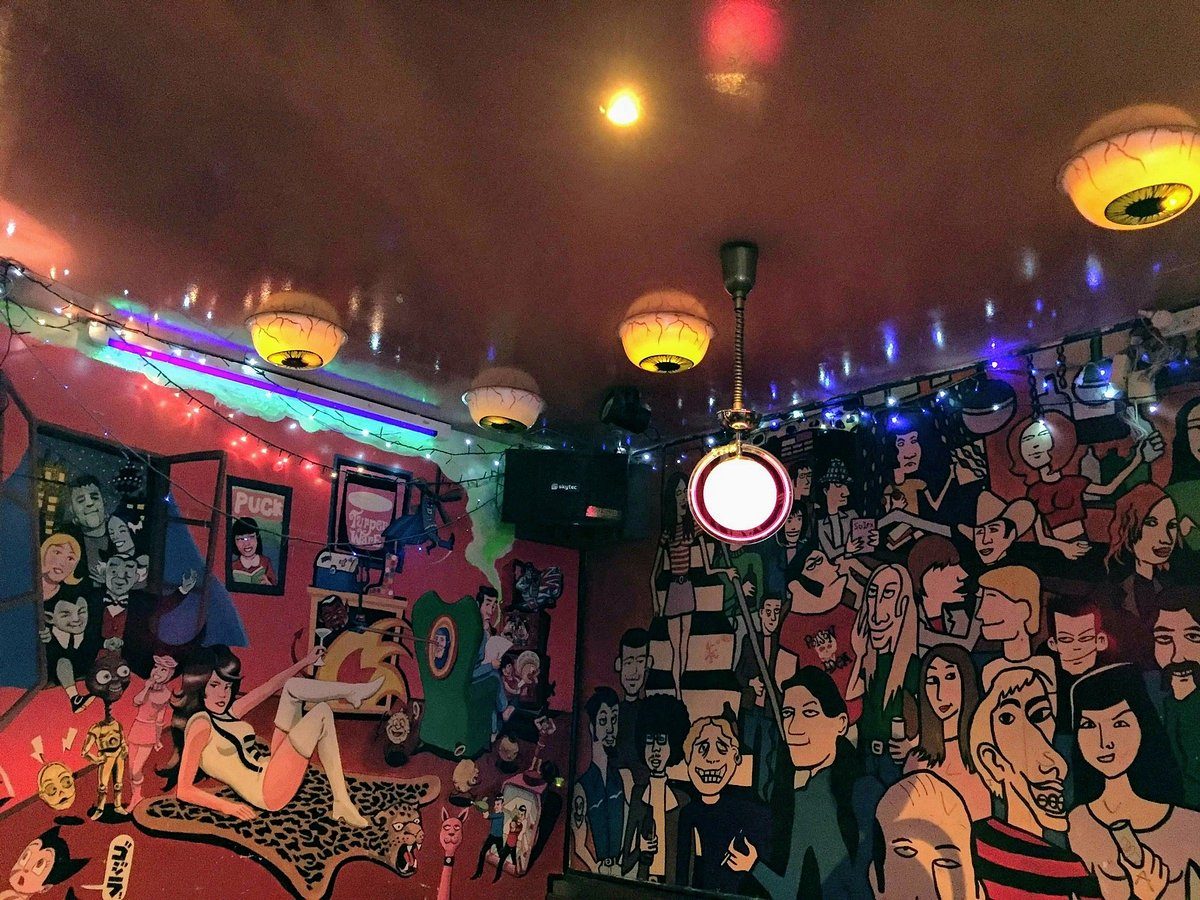
What's notable about Malasaña after dark isn't any single venue — it's the density. You can move between a graffiti-walled rock club, a kitsch 80s dive and a serious cocktail bar without ever needing a taxi, which is exactly the kind of night this barrio was built for.
What to do in Malasaña
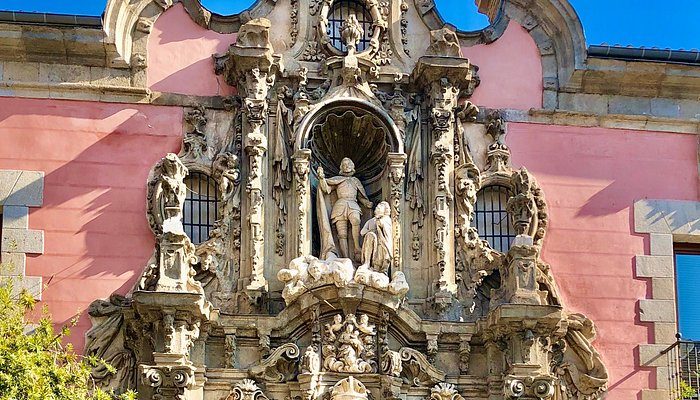
Orient yourself at Plaza del Dos de Mayo first — it's the barrio's historic and social centre for a reason, and the surviving Arco de Monteleón is the closest thing Malasaña has to a monument in the traditional sense. From there, the neighbourhood rewards wandering more than checklist sightseeing, but there's one stop worth building your afternoon around: the Museo de Historia de Madrid on Calle Fuencarral, a free city-history museum open Tuesday to Sunday, 10am to 8pm, that fills in exactly the kind of context — the uprising, the later Movida, the centuries between — that make the rest of the barrio click into place.
Don’t miss in Malasaña
Plaza del Dos de Mayo, the social heart of the neighborhood.
Calle Velarde for its dense concentration of vintage clothing boutiques.
Traditional vermouth bars that have operated for over a century.
Beyond that, treat the three squares as your real itinerary. Plaza de San Ildefonso and Plaza de la Luna each carry their own crowd and their own rhythm through the day — quieter mid-morning, filling gradually toward evening, loudest on weekend nights — and the honest way to see Malasaña is to sit at each one with a coffee or a vermouth and watch how the square changes under you rather than trying to tick off sights on a map.
Shopping in Malasaña
Calle Velarde, a short street off Plaza de San Ildefonso, is the barrio's vintage-shopping spine, and it's concentrated enough that you can work it in an hour without doubling back. Loop Vintage, Magpie, Williamsburg and El Rincón de Tía Jo each run a different slice of decades past — workwear at one end of the street, 90s pieces at the other — and together they're the clearest evidence that Malasaña's secondhand culture isn't a recent gentrification import. It's been sorting through other people's closets since long before vintage shopping had a hashtag.
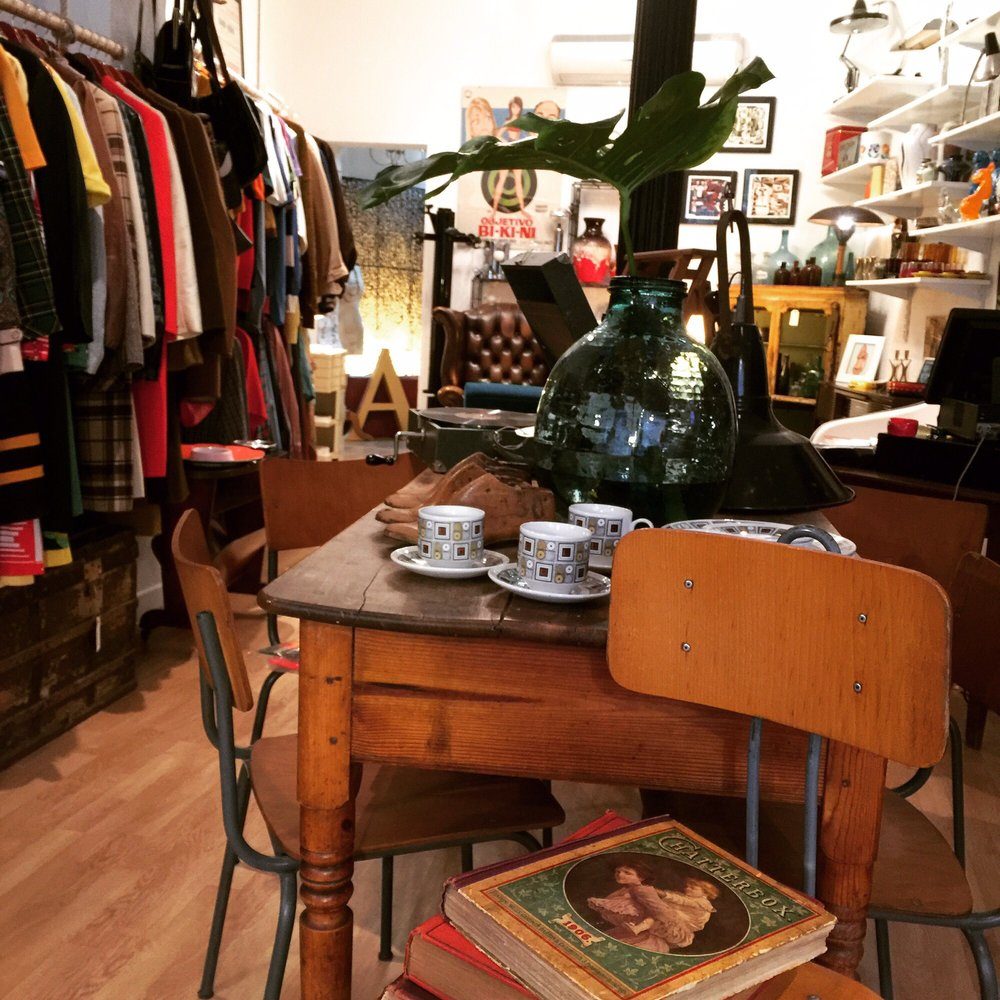
It's worth treating Velarde as a browse rather than a mission — the stock turns over constantly, prices vary shop to shop, and the fun of it is in not knowing what you'll find rather than hunting a specific item.
Where to stay in Malasaña
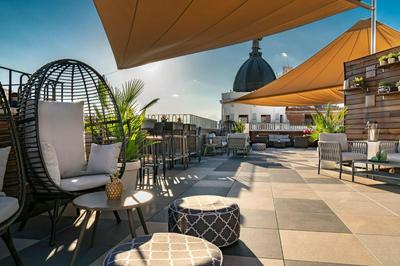
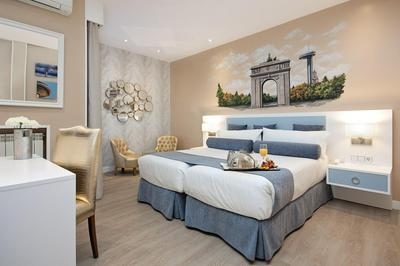
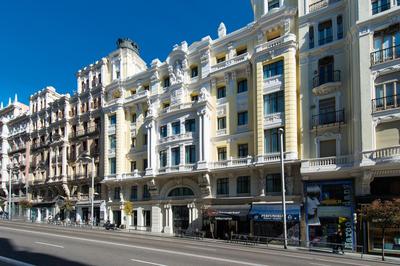
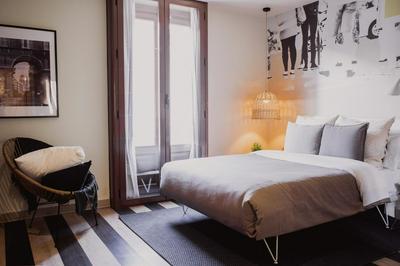
Malasaña suits travellers who'd rather walk to the bars than taxi to them, and who prefer a converted townhouse or small boutique property over a big chain hotel. That's the room stock here — compact, independently run addresses and apartment-style stays folded into renovated buildings rather than purpose-built towers. Tribu Malasaña sits in the heart of the barrio and gets cited specifically as a walkable base for the neighbourhood's bars and shops, which is really the only credential that matters in a district like this.
It's worth being honest about who this barrio doesn't suit: light sleepers wanting a quiet room should look elsewhere, since weekend nights stay loud until late, and anyone wanting big hotel amenities — a pool, a gym — won't find them here. This is a small-property neighbourhood, and its rewards are proximity and character, not square footage.
Where to stay here
Hotels in Malasaña
Our best-rated stays in this neighbourhood. Prices are approximate “from” rates — confirmed at the provider when you continue. We may earn a commission if you book through our partners — at no extra cost to you.
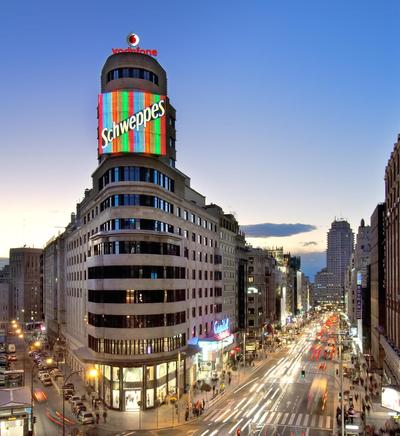 In this area
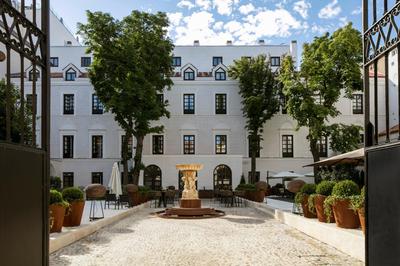 In this area
Palacio de los Duques, a Gran Meliá Hotel - The Leading Hotels of the World
 In this area
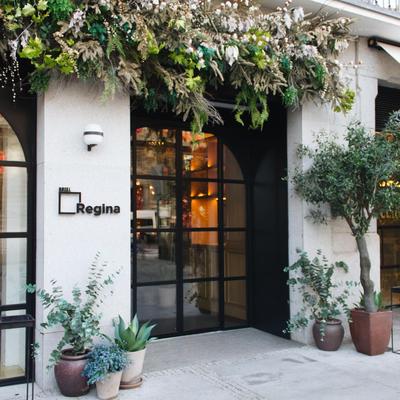 In this area
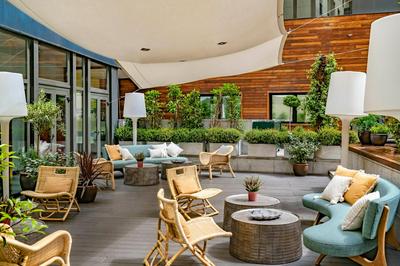 In this area
 In this area
 In this area
 In this area
 In this area
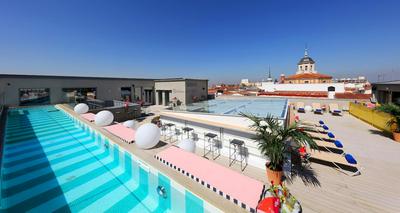 In this area
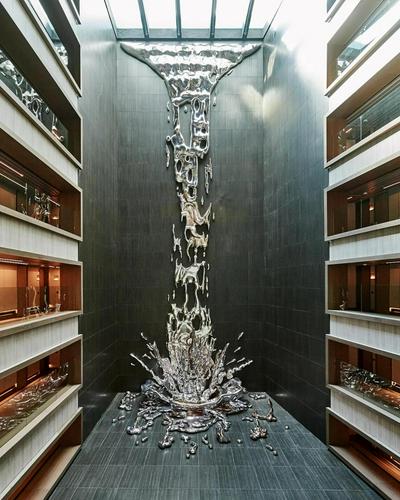 In this area
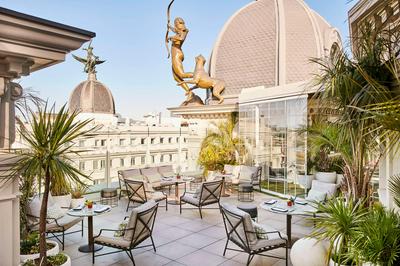 In this area
Getting around from Malasaña
Three metro stations ring the barrio and, between them, cover it fully on foot. Tribunal, on lines 1 and 10, sits at the eastern edge on Calle Fuencarral. Noviciado, on line 2, covers the western section. San Bernardo, on lines 2 and 4, anchors the western boundary near Conde Duque. All three sit within a three-to-six-minute walk of the barrio's core, and within ten to fifteen minutes of each other, so wherever you're staying, one of them is close enough not to think about.
From Madrid–Barajas Airport, the metro route runs line 8 to Nuevo Ministerios, then a change onto line 10 for Tribunal — roughly 35 to 45 minutes door to door. A taxi or ride-share direct to the barrio takes about 20 to 30 minutes depending on traffic, and given how central Malasaña sits relative to Gran Vía and Sol, most of what you'd want in central Madrid stays within easy walking or single-metro-hop range once you've checked in.
Budget-wise, the barrio splits cleanly in two: taverns and tapas bars run cheap — a caña and a tapa for a few euros is still the norm at places like Ardosa — while the newer cocktail bars and boutique stays push into pricier territory. There's not much at the very top end here, which is part of the point. Malasaña was never built to be luxurious. It was built to be lived in, loudly, at street level, and it still is.
Good to know
Malasaña — your questions
Is Malasaña a good area to stay in Madrid?
Yes, if you want to walk to independent bars, vintage shops and a young, creative crowd rather than stay near the main sights. It's centrally located — a short walk from Gran Vía and Sol — but weekend nights are loud, so it suits night owls more than light sleepers or travellers prioritising quiet.
How do I get to Malasaña from Madrid–Barajas Airport?
Metro line 8 to Nuevo Ministerios, then change to line 10 for Tribunal station, takes roughly 35–45 minutes. A taxi or ride-share direct to the barrio runs about 20–30 minutes depending on traffic.
What is Malasaña known for?
It's Madrid's Movida Madrileña neighbourhood — the birthplace of the city's early-1980s countercultural scene — and today it's known for independent vintage shops (especially on Calle Velarde), century-old taverns like Bodega de la Ardosa, and a dense, late-running bar scene around Plaza del Dos de Mayo.
Which metro stop is best for Malasaña?
Tribunal (lines 1 and 10) covers the eastern side, Noviciado (line 2) the west, and San Bernardo (lines 2 and 4) the western boundary near Conde Duque. All three are within a 10–15 minute walk of each other, so any one works as a base.
Gallery