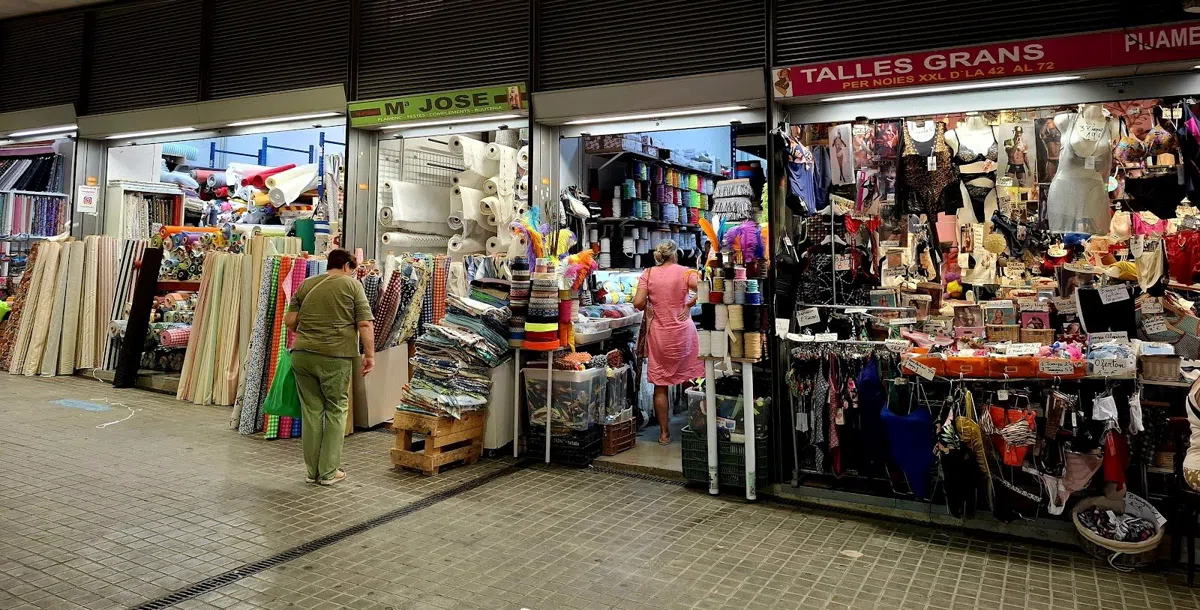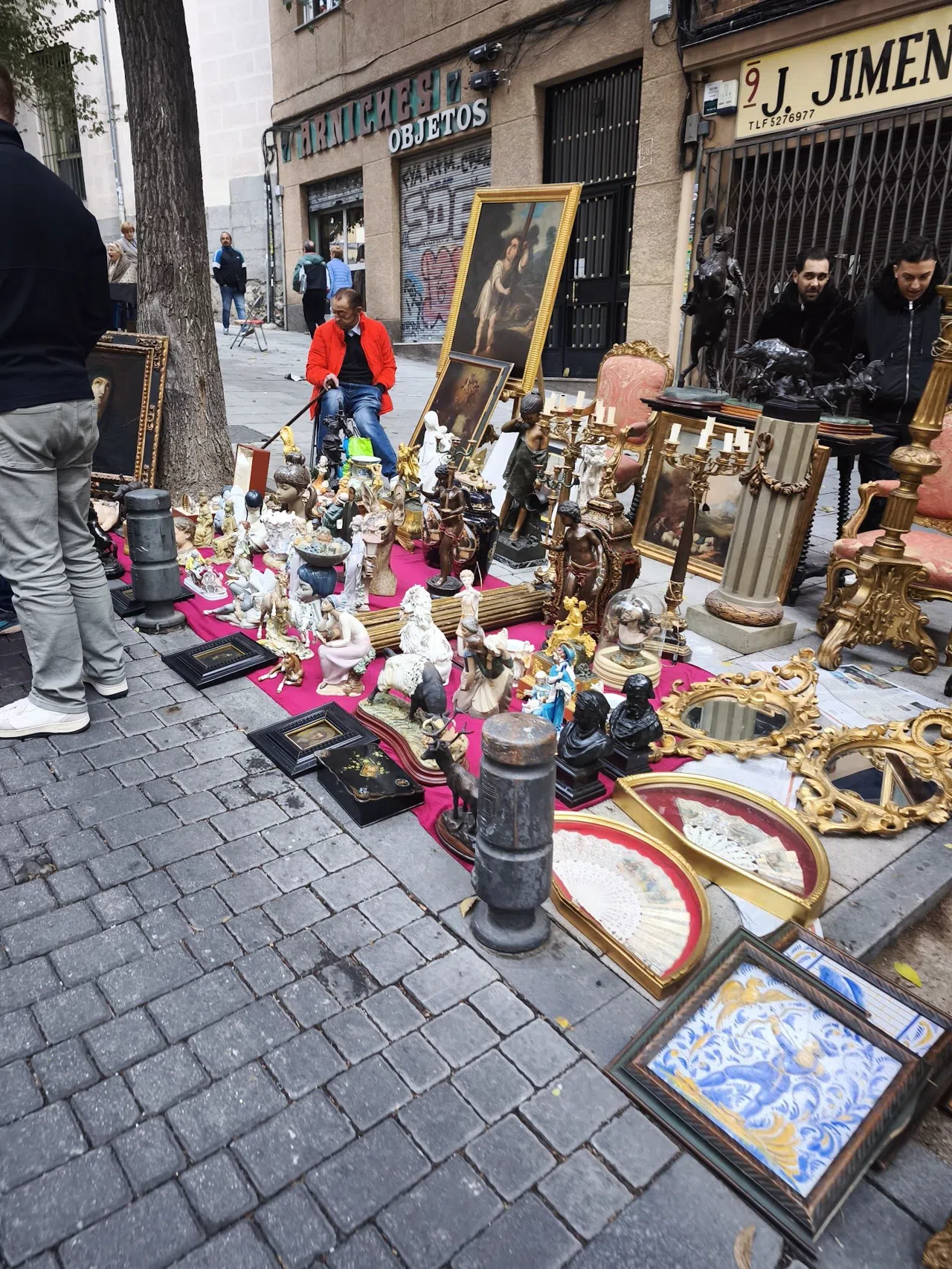
By nine on a Sunday, Ribera de Curtidores is already three-deep with elbows, trestle tables scraping open, tarps snapping against a cold Madrid wind. Somewhere under a pile of 1970s film posters someone is arguing a price down from €25 to €15 in the unhurried, theatrical way that only makes sense here. This is El Rastro, and it has run this exact ritual — stalls, shouting, snails, and a caña to finish — every Sunday for the better part of four centuries.
Reading the Market: A Ritual Older Than the Streetlights
El Rastro [Ribera de Curtidores, La Latina/Embajadores] is Madrid's oldest and biggest flea market, and the first thing to understand about it is that it isn't one market — it's a whole neighbourhood turned inside out for six hours. It runs every Sunday and public holiday, 9am to 3pm, centred on Ribera de Curtidores between Calle de Embajadores and Ronda de Toledo, with feeder streets peeling off in every direction. It is entirely free to walk, entirely open-air, and on a good Sunday it pulls more than 100,000 people through streets that were laid out for a fraction of that. That number matters practically, not just atmospherically: if you're coming as a group, agree a meeting point before you go in, because phones lose signal in the crush and shouting a name across Ribera de Curtidores at midday achieves nothing.
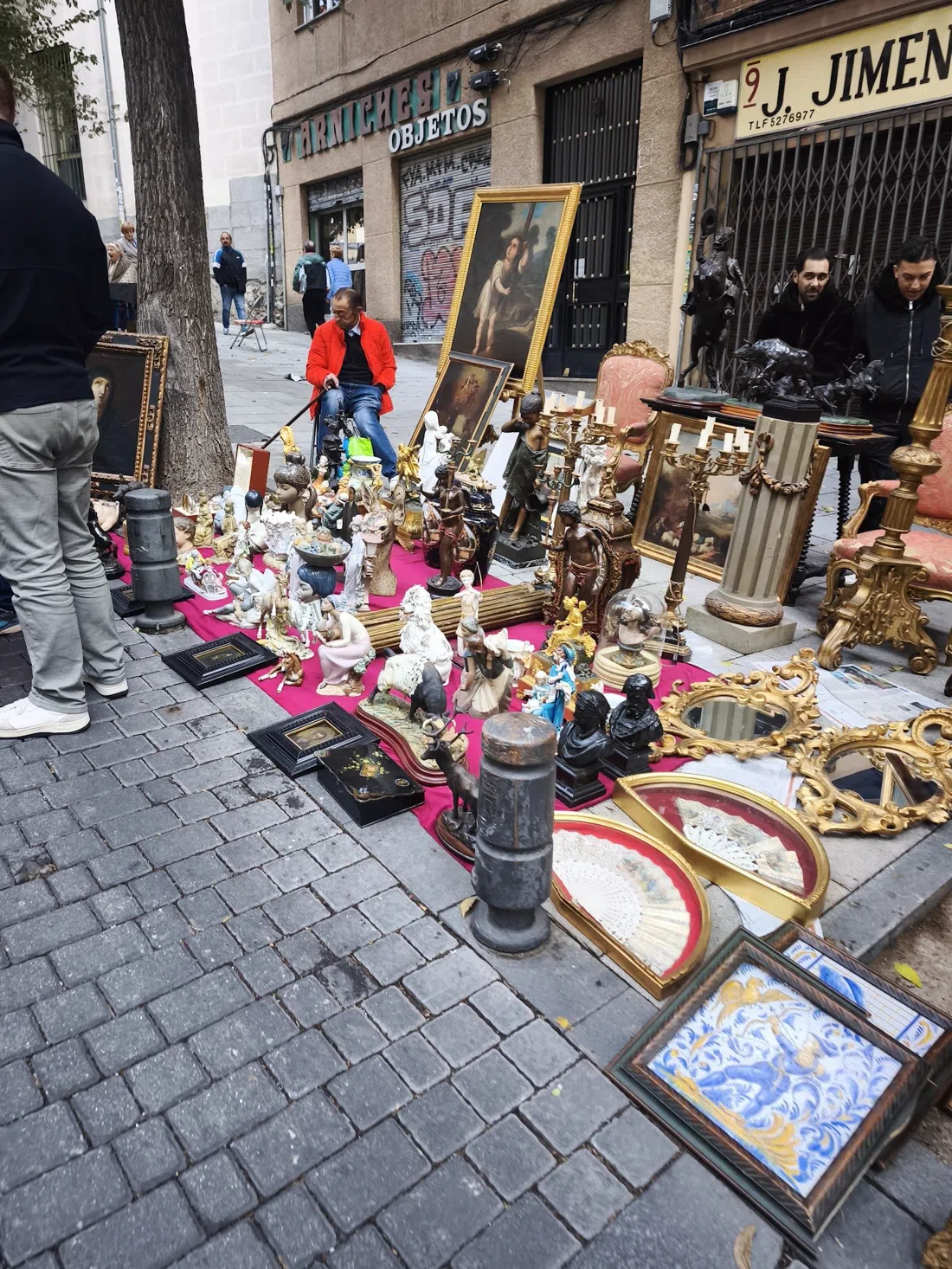
The street names are the market's real history, and they're worth reading rather than walking past. Ribera de Curtidores means Tanners' Riverbank — this was where Madrid's leather trade dumped its runoff for centuries, and the smell is precisely why the crown pushed the tanneries, and later the market that grew up around their offcuts and seconds, to the edge of the old city. Streets like Calle de la Caza (Hunting Street) and Calle de las Amazonas nod to the trades and guilds that clustered here when this was working, unglamorous Madrid rather than a tourist stop — a hunting-goods row, a leather quarter, an area the wealthy center avoided. That's the useful frame for the whole morning: El Rastro isn't dressed up for visitors. It's a market that happens to be five centuries old, not a heritage attraction built to look like one.
Practically, the stalls sort themselves loosely by street — clothing and costume jewellery dominate the main drag, tools and hardware cluster toward Ronda de Toledo, and the flea-market proper (old cameras, vinyl, military surplus, saints' medallions, mismatched cutlery) fills the side streets in between. Prices run from a couple of euros for genuine junk to hundreds for the real finds, and almost everything is negotiable if you're buying more than one item or paying cash. Go early, by 9:30 or 10am, if you actually want to look at things rather than be carried past them by the crowd; go after 1pm if your priority is people-watching and you've made peace with moving at the market's pace, not yours.
The Serious Side: Galerías Piquer
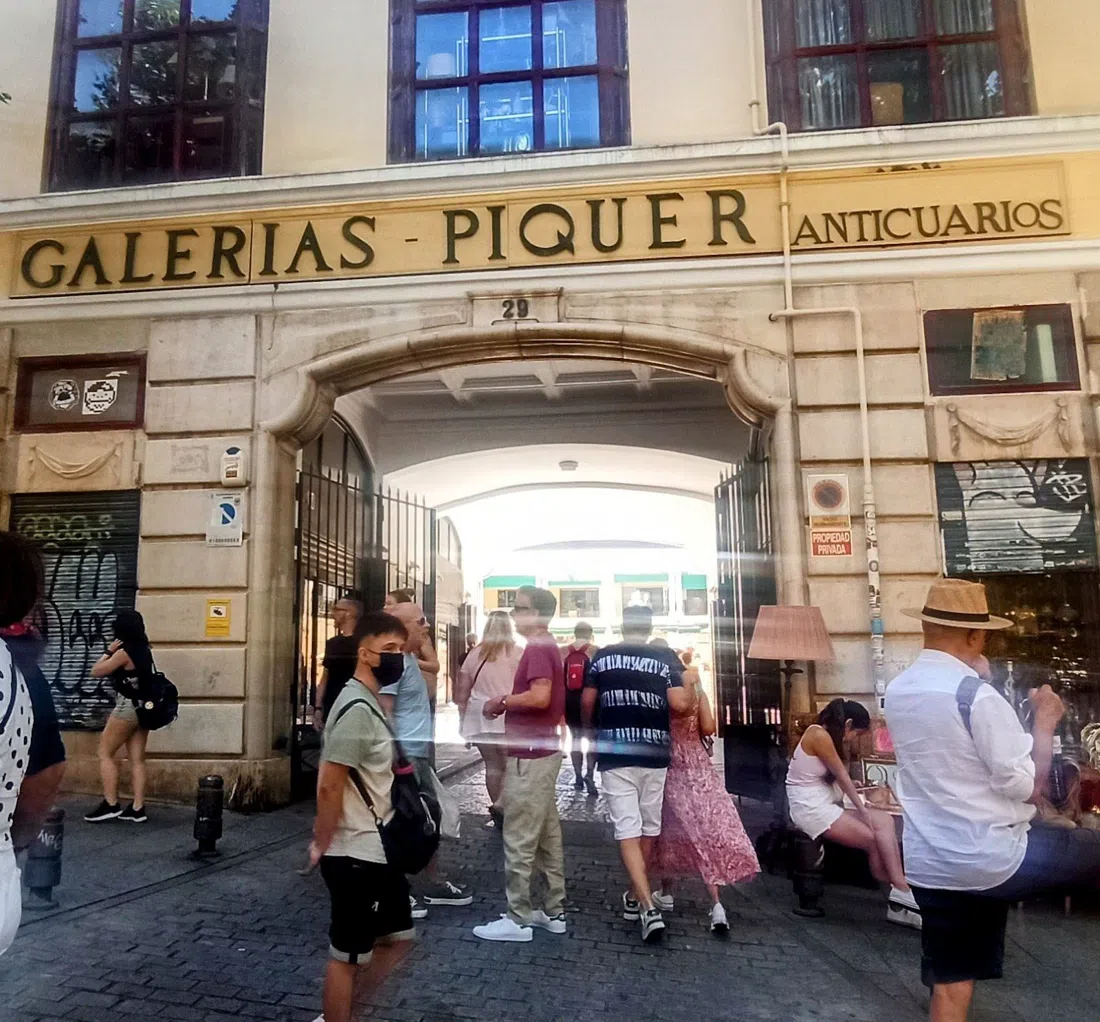
When the open-air stalls start to feel like the same three categories on repeat, duck into Galerías Piquer [covered arcade off Ribera de Curtidores]. Open since 1950, this is a roofed arcade of individual antiques dealers rather than a flea-market stall row, and the difference in seriousness is immediate — glass cabinets instead of tarps, art deco lamps and 19th-century religious carvings instead of phone cases. Browsing is free and the arcade comfortably fits a group, but treat it as a shop crawl, not a haggling floor: each dealer sets their own prices and there's no collective discount for buying from three stalls in one visit. Expect mid-to-high prices, generally €50 to €1000-plus for anything with real age or provenance. This is the stop for readers who want more than bric-a-brac, and it's also the clearest physical reminder that El Rastro has always had two tiers — the street hustle outside, and a genuine antiques trade that's been quietly professional here since the mid-20th century.
When the Haggling Stops: The First Bite
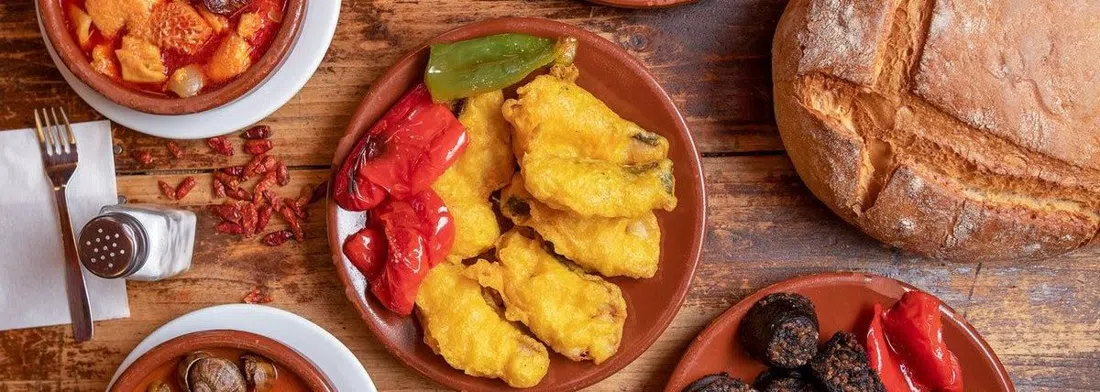
The market thins out fast after 2pm, and the tables at the places that catch the exodus fill the moment it does. Casa Amadeo – Los Caracoles [on the market square itself] has been standing literally inside El Rastro since 1942, run by the same family four generations on, and it is the obligatory first stop for exactly the reason its name promises: snails, served in a spiced broth you mop up with bread, alongside tapas from around €5 to €12. There are two bars and three dining rooms plus a 24-seat terrace, so it takes groups without much trouble — but arrive before 2:30pm on a Sunday, because the entire market seems to have the same idea the second the stalls start folding.
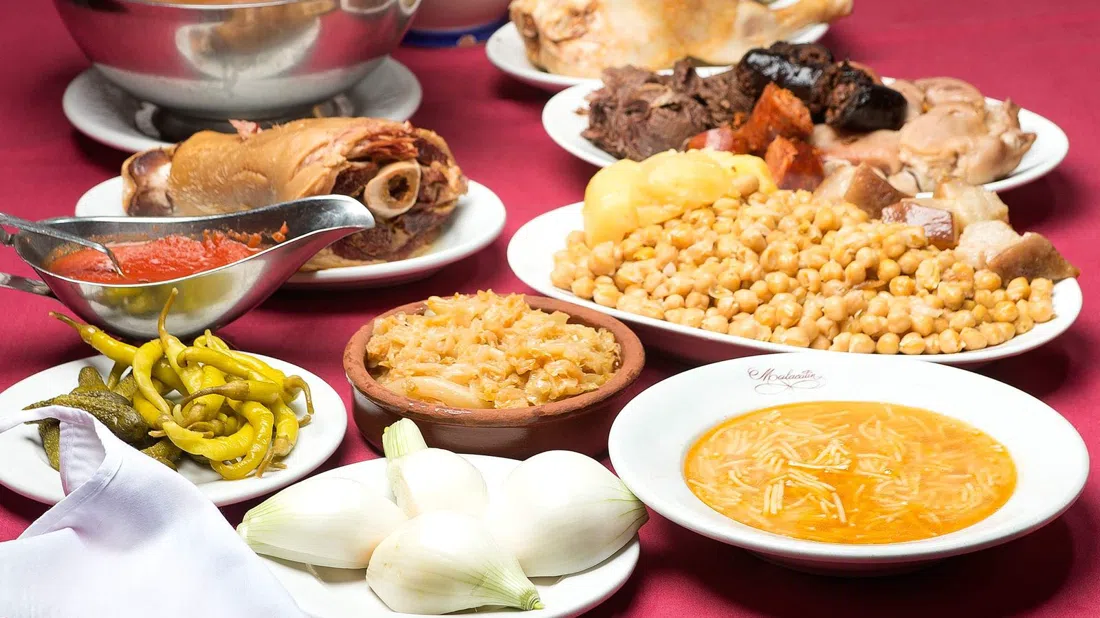
If you're still walking and want something to eat on the move rather than a table, Malacatín [Calle de la Ruda, a short walk from the market] solves it in a way almost no other tavern in the city does. The sit-down dining room — famous for its cocido madrileño, the three-course chickpea-and-meat stew that is Madrid's defining winter dish — is closed on Sundays entirely, and needs booking well ahead Monday to Saturday. But on Sundays only, from 11:30am to 4pm, Malacatín sells a €4 cocido tapa to go: a paper cup of the same stew, no reservation, no table, eaten standing in the street with a plastic fork. It's the single most distinctive food moment in this piece — a century-old family kitchen (open since 1895) compressing its signature dish into something a walking group can eat between stalls without breaking stride. The full sit-down cocido menu, for anyone coming back on a weekday, runs around €20.
Sunday Lunch Near the Market
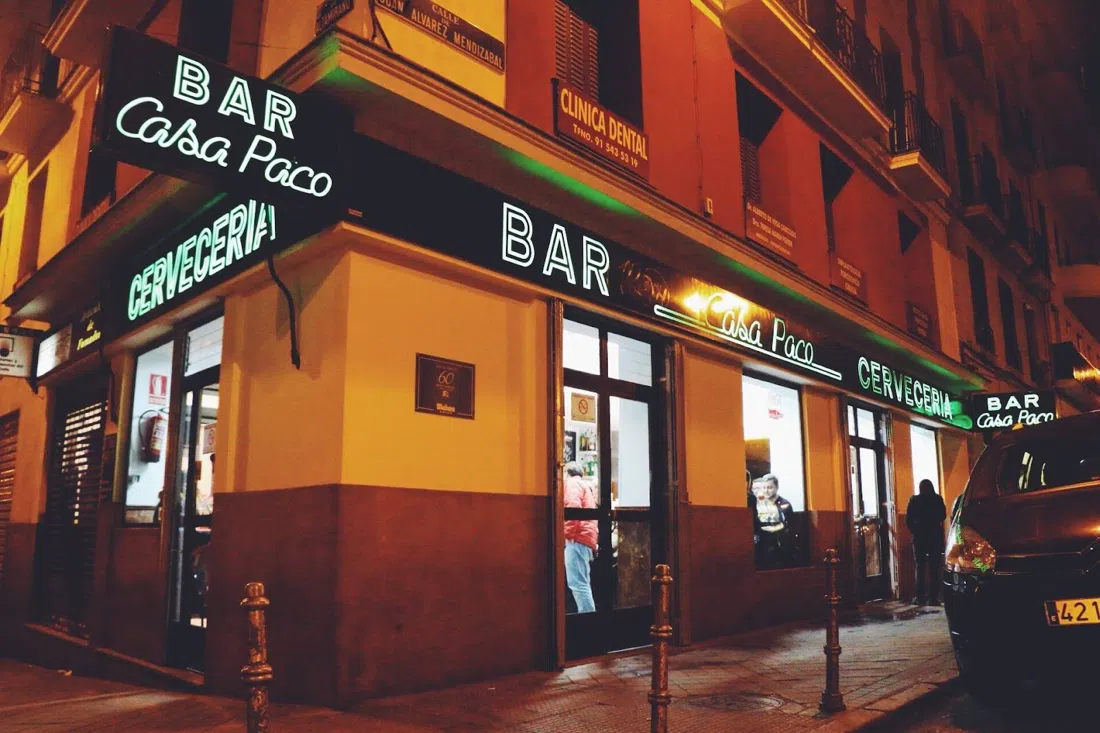
For a proper sit-down lunch rather than a stand-up snack, three taverns within a few streets of the market cover different registers. Casa Paco [five minutes' walk from the market] is open Sunday lunch from 12:30 to 4:30pm — notable because plenty of the grander Cava Baja addresses shut entirely on Sunday afternoons. It's a traditional dining room that handles small-to-medium groups comfortably, and the kitchen leans on steaks and tapas, €€ territory, with mains around €15 to €25.
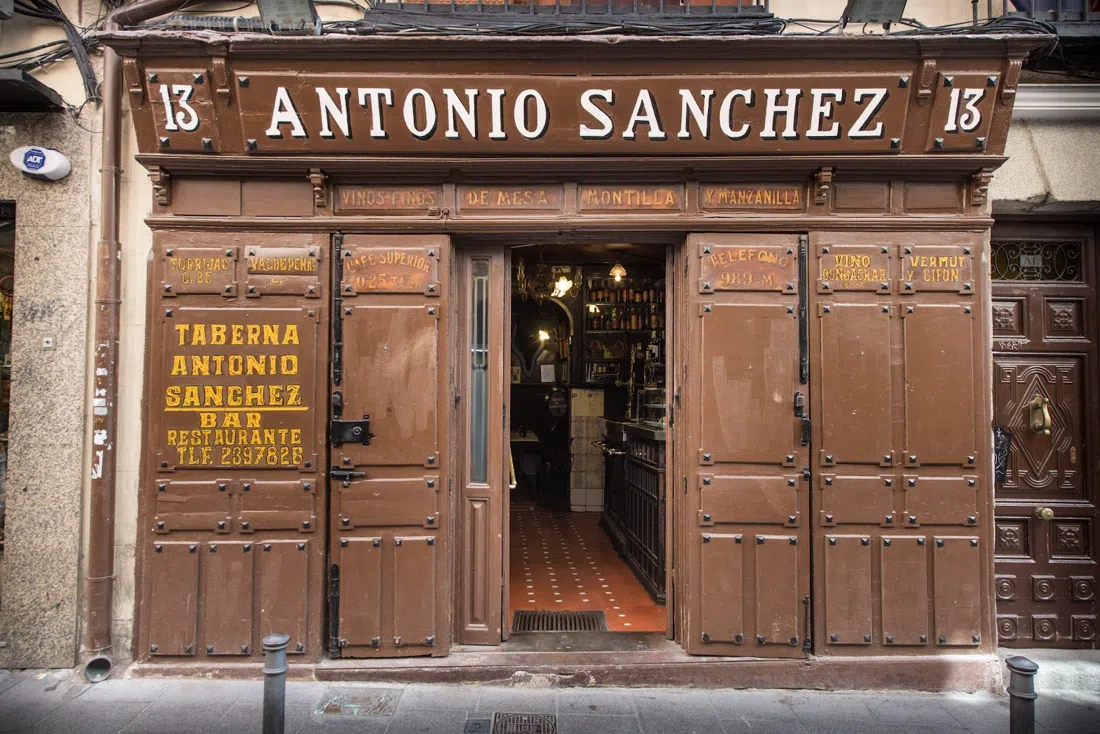
Taberna de Antonio Sánchez [walking distance from the market] carries a genuinely startling claim well: documented as open, continuously, since before 1787, which makes it the oldest tavern in Madrid still trading under one roof. It's small and atmospheric rather than grand — best for groups of two to six at a table, with standing room at the bar for anyone extra — and the food is classic Madrid tapas and mains at €€ prices. If the trade-street history of Ribera de Curtidores got you interested in what "old Madrid" actually looked like, this bar is the closest thing to walking into it.
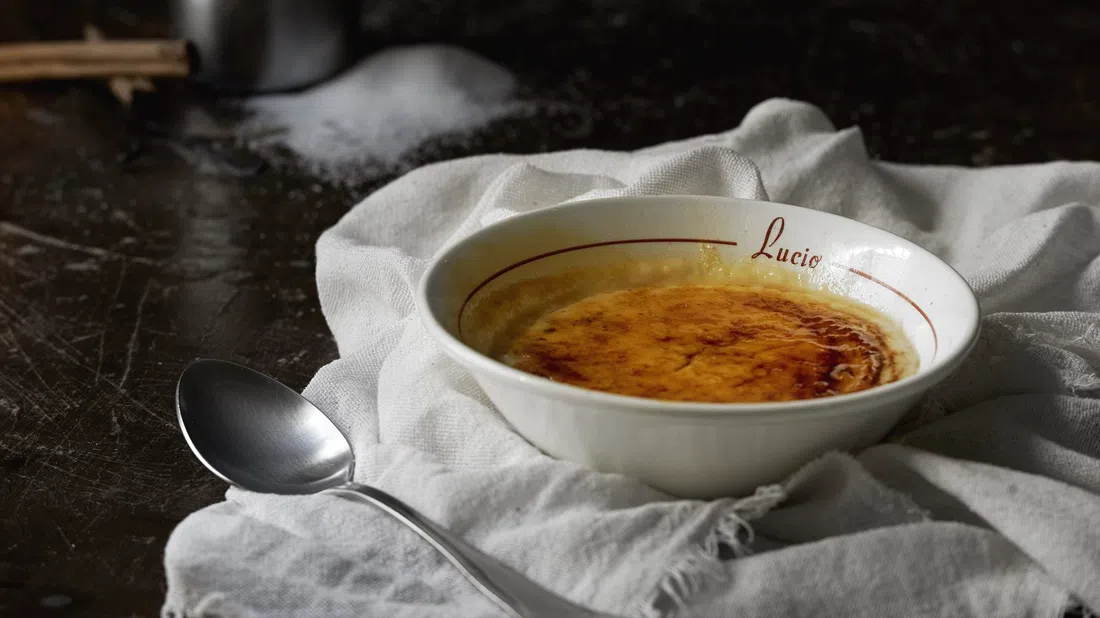
And for the splurge option, there's Casa Lucio [near the market], open since 1974 and famous enough to have fed a King of Spain more than once. This is not a walk-in stop — reservations are essential and tables go fast, especially around Sunday lunch — but for a group willing to book ahead it's the grandest meal on this list, €€€, with mains from around €20. One practical note worth flagging clearly: Casa Lucio closes for the whole of August, so this is strictly a rest-of-the-year recommendation.
The Cava Baja Vermouth Crawl
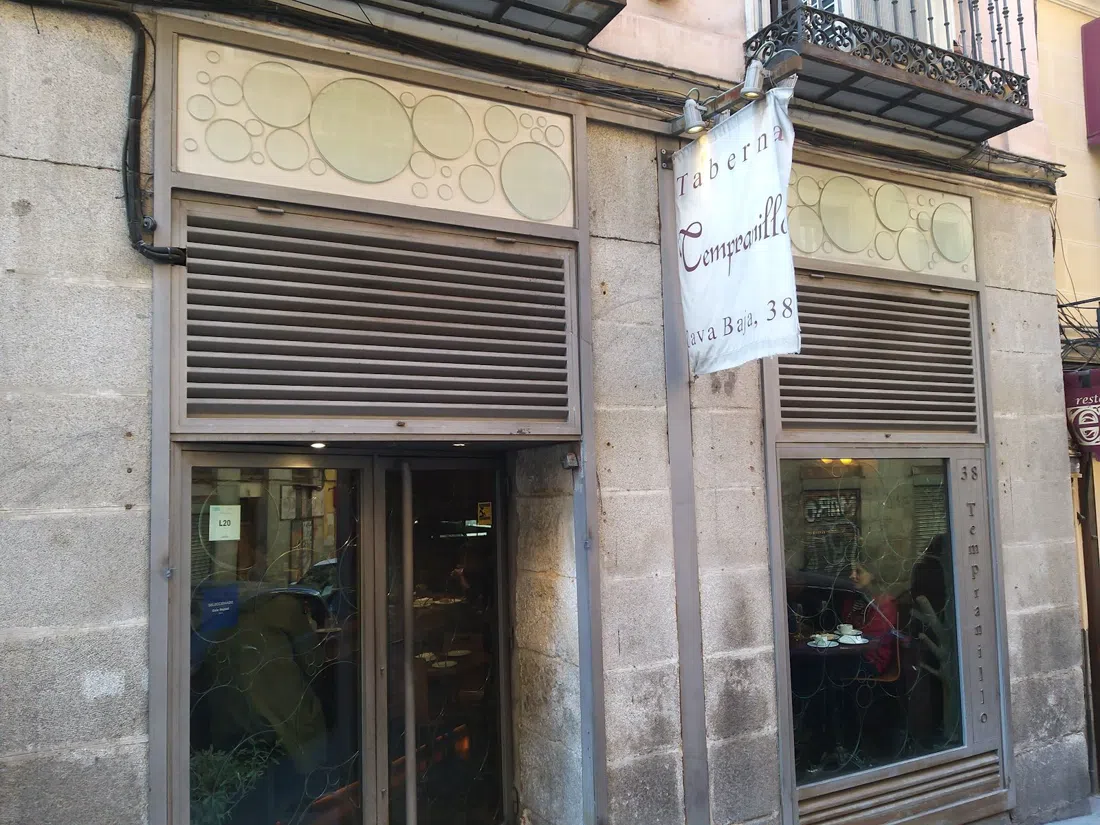
Once lunch is sorted, Cava Baja is where the Sunday crowd naturally drifts for the traditional post-Rastro vermouth crawl, and three stops anchor it. Taberna Tempranillo [Cava Baja] takes no reservations — it's first-come standing or bar seating, which suits small groups happy to grab table space as it frees up rather than couples wanting a guaranteed seat. The draw is the wine list: a deep, well-chosen run of Spanish wine by the glass alongside €€ tapas.
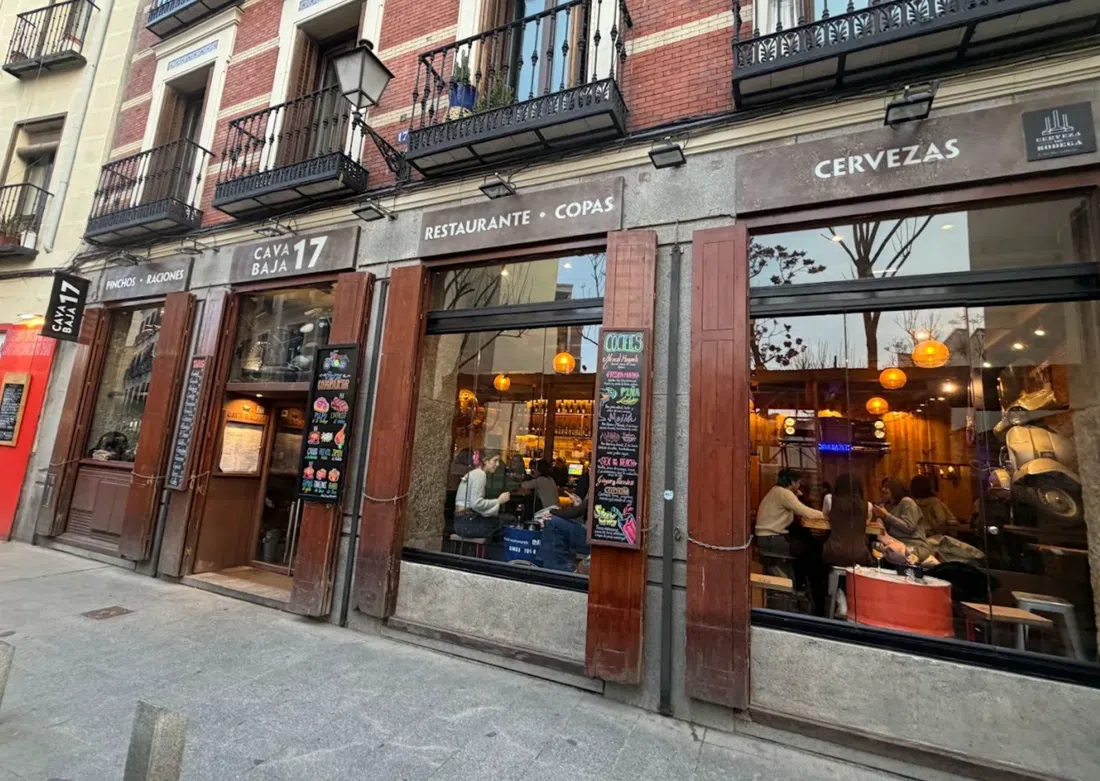
Cava Baja 17 [Cava Baja], running since 1951, is the specific stop for the Sunday pairing locals actually order: vermouth and croquetas, tapas from around €6 upward at €€ prices. It's a traditional tavern format that works well for small groups, and it is, predictably, at its busiest exactly when the market lets out for Sunday lunch — go expecting a wait rather than a table on arrival.
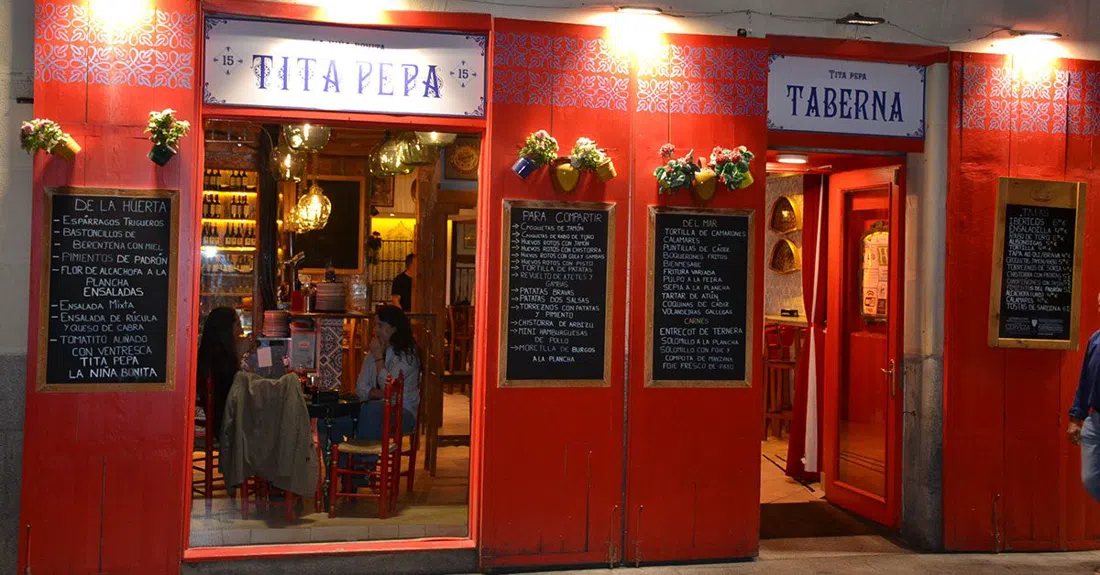
Taberna La Tita Pepa [Cava Baja area] is the smallest and most local of the three — a genuine neighbourhood vermuteria, not a venue built for passing trade, with a small counter bar best suited to pairs or a small group willing to phone ahead for a table. Prices are gentle, € territory, with vermouth and pinchos running a couple of euros each. If you only have time for one vermouth stop and want the version without the crowd, this is it.
South Toward Lavapiés: A Quieter Close
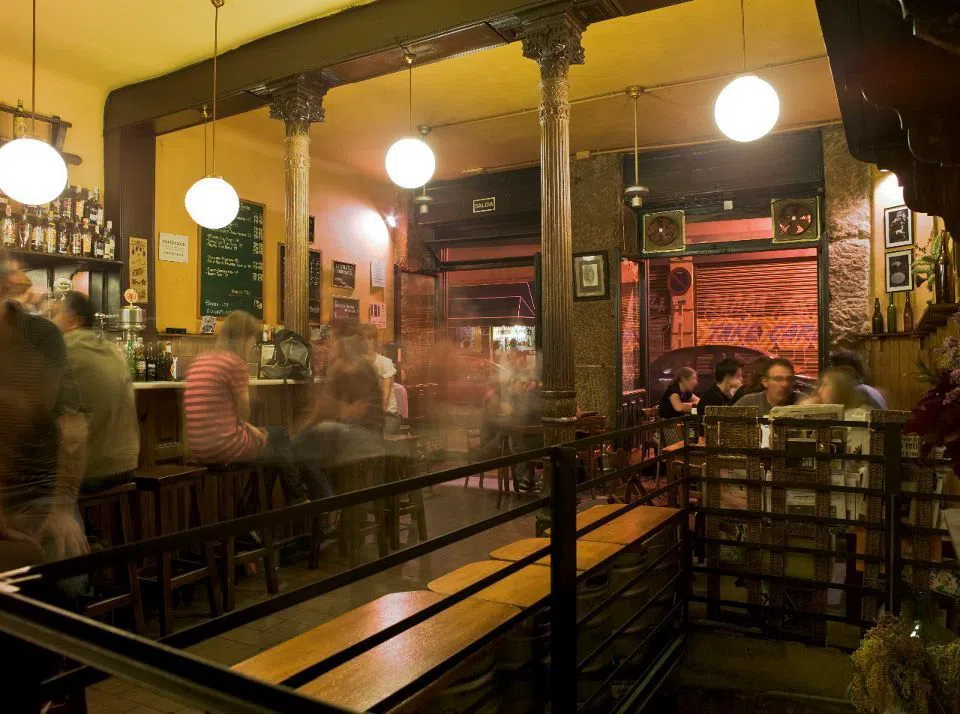
For readers who'd rather wind down away from the Cava Baja crush, the Lavapiés end of the market opens onto calmer options. Vinícola Mentridana [near Lavapiés] is tiny — a handful of tables, best for pairs or for splitting a larger group across the bar — and it's the quieter, more local alternative to the Cava Baja scene, open Sunday from 1pm to 1am, € prices for wine and vermouth by the glass with cheap tapas alongside.
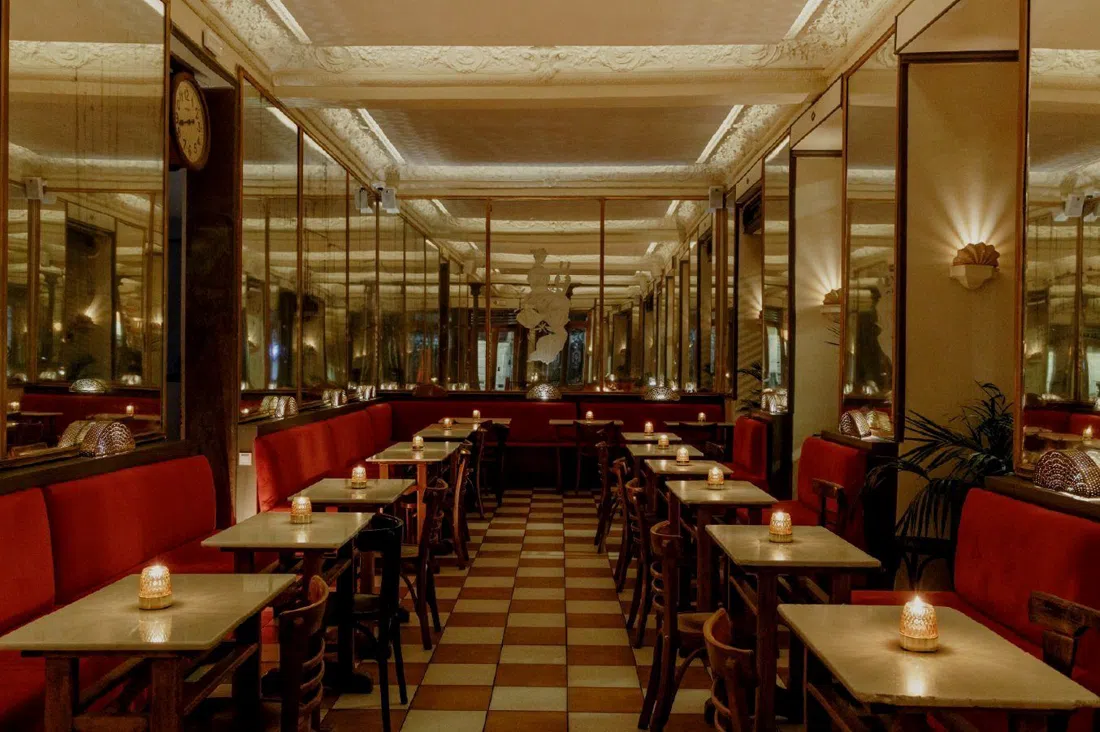
Café Barbieri [Lavapiés] is a different register entirely: a large, multi-room café-bar open since 1902 and freshly reopened in recent years, comfortably able to seat a group rather than squeeze one in. It's the right choice for anyone who wants a sit-down coffee or vermouth away from the tavern-crawl crush, €€ for vermouth, spritzes and light bites, and on Sundays it runs live piano sets that make it as much a listening room as a bar.
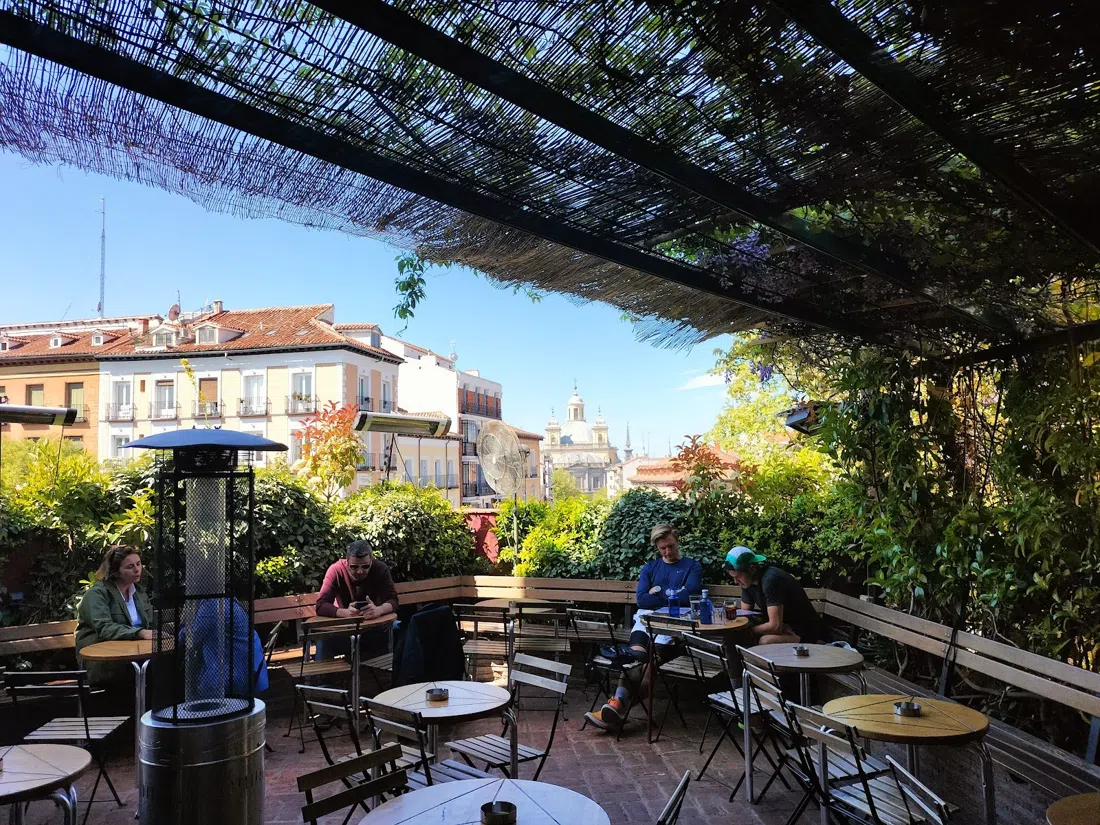
And for closing the day out with a view rather than another counter, El Viajero [Lavapiés/La Latina edge] is a multi-floor venue built around its rooftop terrace, open Sunday from 11:30am all the way to 2:30am. It takes groups comfortably, especially on the terrace, and at €€ for cocktails and mains it's the natural place to end a day that started at a leather-goods stall on Ribera de Curtidores — market, lunch, crawl, and finally a rooftop view over the rooftops of a city that just spent six hours haggling.
Getting There, Cash, Timing and Budget
Transport: the market sits between La Latina, Tirso de Molina and Puerta de Toledo metro stations, all on Line 1 or 5 and all within a five-to-ten-minute walk of Ribera de Curtidores. Don't drive — there's no realistic parking near the market on a Sunday, and the surrounding streets close to traffic while the stalls are up.
Cash: bring it, and bring more small notes than you think you'll need. The overwhelming majority of stalls are cash-only, card readers are rare even at the antiques arcade, and haggling in cash is simply faster and more effective than haggling toward a card payment. Cashpoints exist around the market's edges but queue badly by midday.
Timing: the market runs 9am–3pm every Sunday and public holiday, rain or shine. Arrive by 9:30–10am if you want to actually examine goods rather than be swept past them; arrive after 1pm if your goal is atmosphere over shopping, accepting that you'll be moving at the crowd's pace. With 100,000-plus people through some Sundays, keep bags zipped and to the front — pickpocketing is a real, well-documented risk in the densest stretches, not a scare story.
Budget: the market itself is free to walk. A realistic day covers a modest flea-market find or two (from a few euros up), Malacatín's €4 cocido tapa or a sit-down lunch at €15–25 a head, and a vermouth-and-tapas stop at €10–20 a head — call it €30–50 per person for a full morning-into-evening outing before any serious antiques purchase at Galerías Piquer. If you're building a longer weekend around it, start your Madrid hotel search around La Latina or Lavapiés — both put you within walking distance of the market and the entire tavern crawl that follows it. For more on the city beyond Sunday mornings, the full Madrid guide covers what to do the rest of the week.