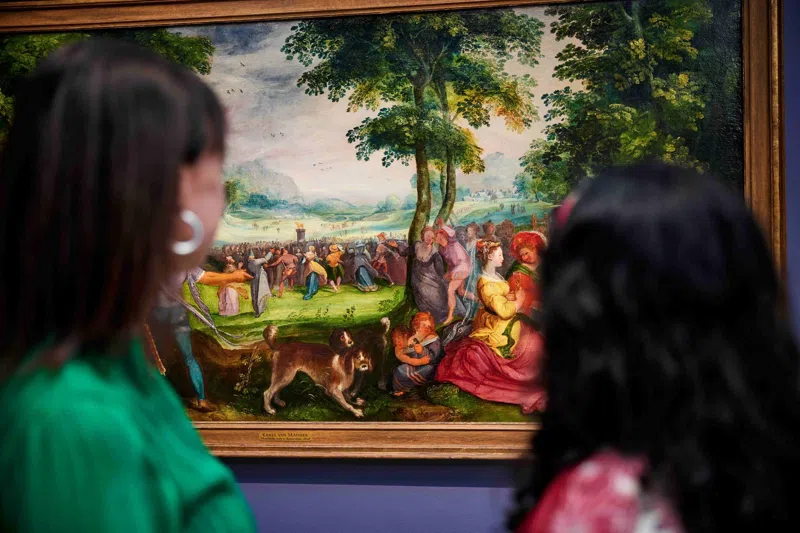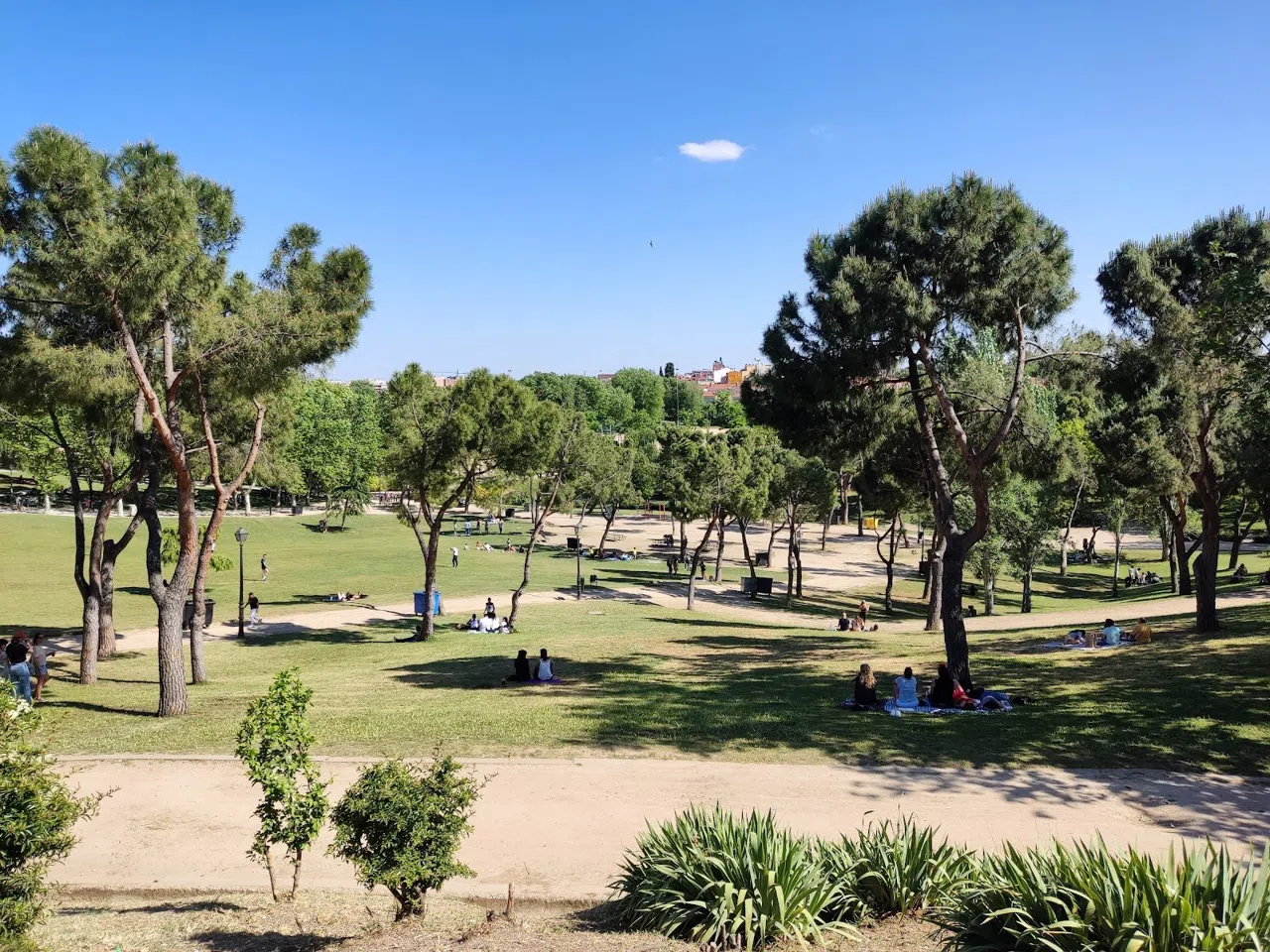

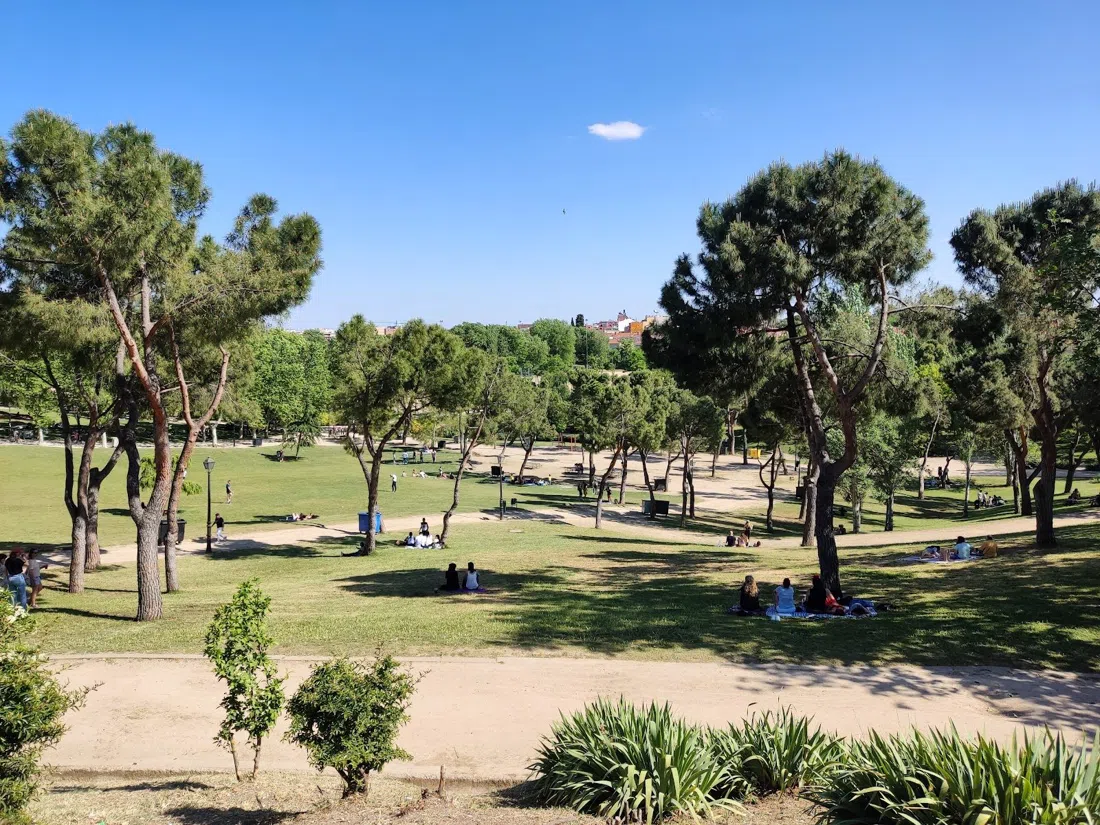
For nine days in May, Madrid quietly reorganizes itself around a hermitage, a well, and a stretch of grass by the river. The San Isidro festival is not staged for visitors — chulapos in checked caps and chulapas in carnation-pinned headscarves fill the Pradera because their grandparents did, and the rosquilla you buy from a century-old counter tastes the same as it did in photographs from the 1920s. This is Madrid's own festival, quieter and more particular than anything built for tourism, and it rewards a visitor who moves at its pace rather than around its edges.
The Pilgrimage Itself
Everything in San Isidro points toward one destination and one date: 15 May, the saint's day, when the whole city seems to walk downhill toward the river.
The Pradera de San Isidro (Carabanchel, on the south bank of the Manzanares) is the meadow that gives the festival its name and its rhythm — a public park with no entry fee and no capacity limit, which is exactly why it fills the way it does. Between 8 and 17 May 2026 it runs a full programme of stalls, chotis dancing, and a main stage, and on the 15th itself it is packed shoulder to shoulder from midday. Street food and drink run a few euros a portion; there is no formal seating, so this suits groups and families who don't mind standing, more than anyone hoping for a quiet table. Go early on the 15th if you want to see the meadow before it's dense with people, or arrive after dark for the verbena atmosphere once the day crowd has thinned.
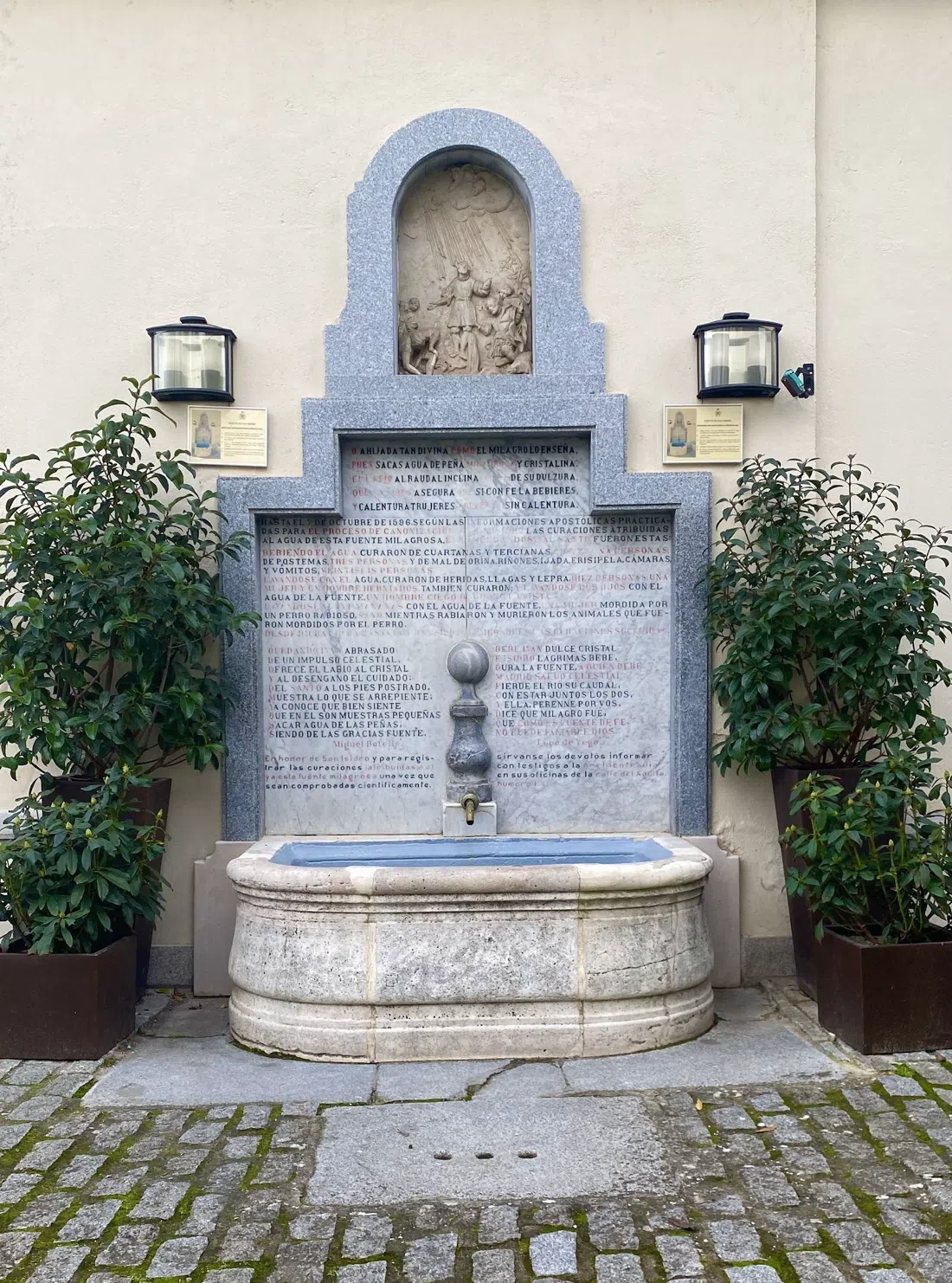
A short walk from the meadow, the Ermita de San Isidro (Fuente del Santo) is the pilgrimage's actual endpoint — a small hermitage built over the well where, according to the legend depicted a few streets away at the Museo de los Orígenes, San Isidro's plough struck water. It is open to everyone, free, with no booking, but on 15 May the queue to drink from the fountain can run long; the water-drinking is the ritual the whole day is built around, and skipping the line means skipping the reason most people are there. If a long wait doesn't suit your day, come on the 8th or the 17th instead — the hermitage is open throughout festival week, just without the crowds.
Where the Day Begins
Before the meadow, the festival has a more formal half-hour, and it happens across town in La Latina.
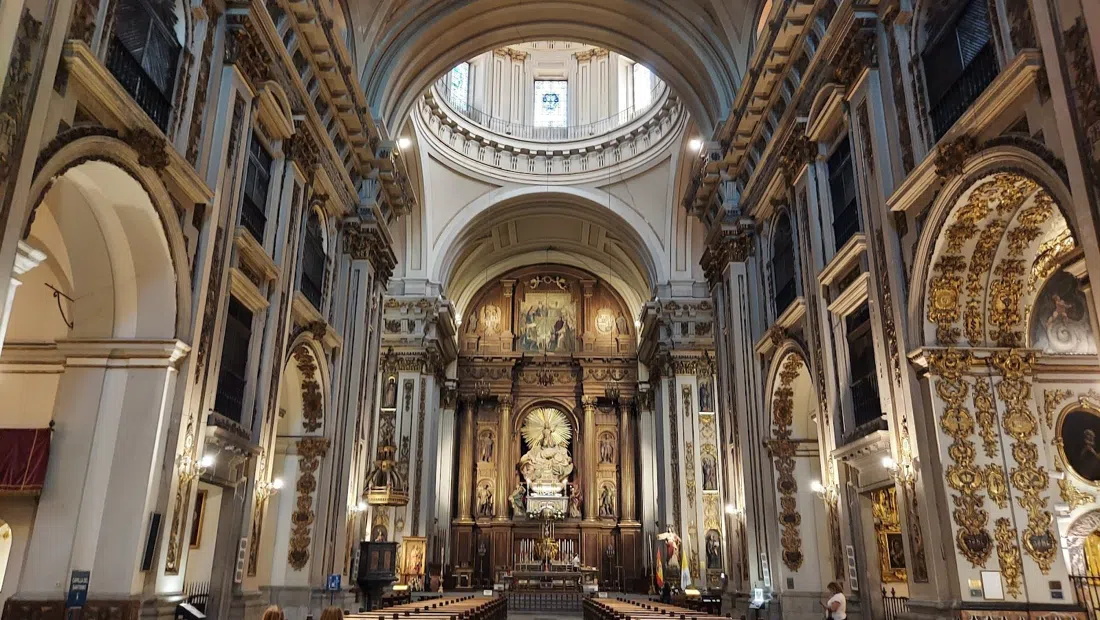
The Real Colegiata de San Isidro (Calle de Toledo, La Latina) is where the 15 May Solemn Mass is held, the event that technically opens the day's proceedings before the procession moves toward the Pradera. It's open to the public and to groups, and respectful dress is expected — this is a working church on its patron's feast day, not a tourist stop. Entry is free and there's no need to book, but arrive with time to spare if you want a seat inside rather than standing at the back.
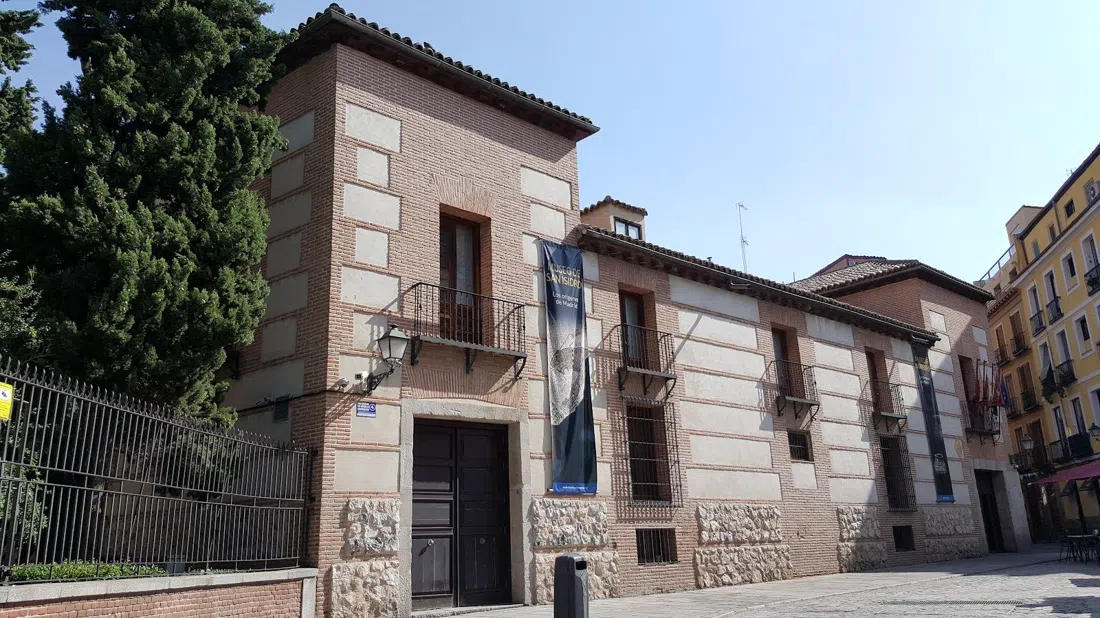
A few minutes' walk away, the Museo de los Orígenes (Casa de San Isidro, La Latina) is easy to miss — it doesn't advertise itself from the street — but it's the one site in the city that grounds the legend in an actual building, reputedly the house where the saint lived and worked as a labourer. Entry is free, no booking needed, and it welcomes groups; give it thirty minutes on the way between the church and the meadow, and the day's other stops will make more sense for having stopped here first.
Evening on the Hill
When the meadow crowd starts to thin in the early evening, the festival's second gathering point is a short climb up into La Latina proper.
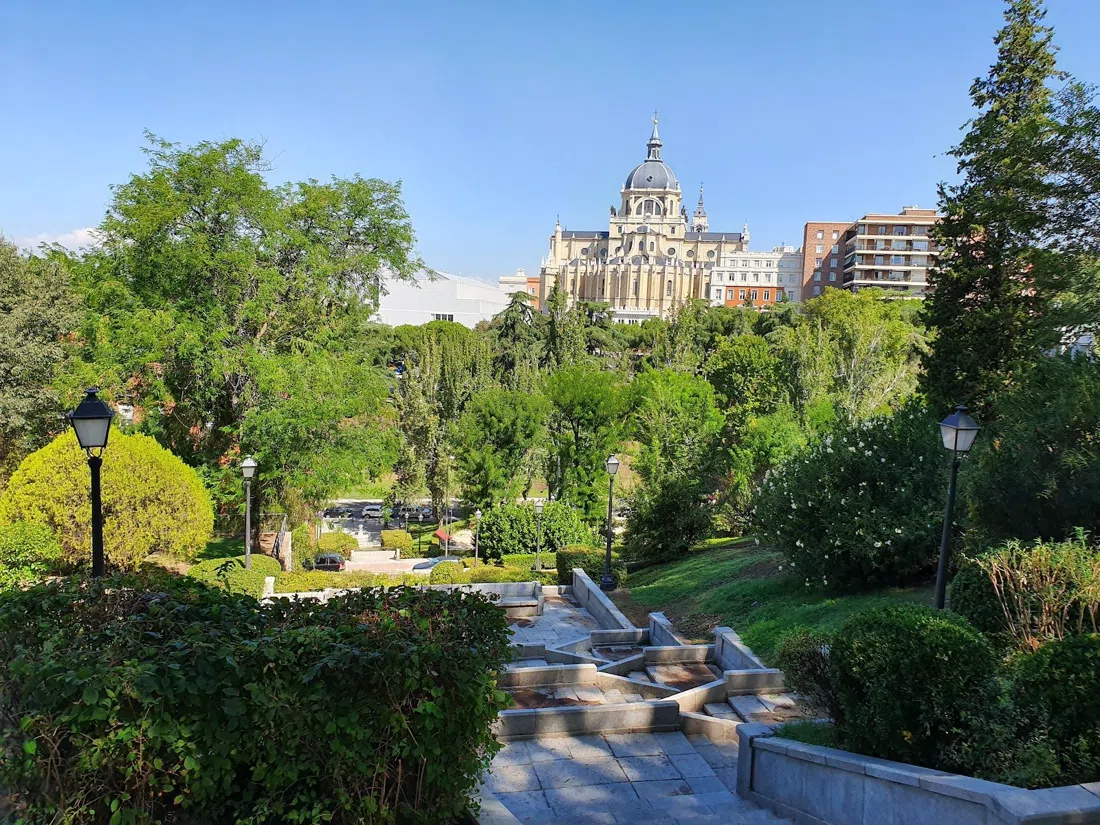
The Jardines de las Vistillas, perched above the old viaduct with a view back over the rooftops toward the Royal Palace, hosts the classic sunset verbena that counters the Pradera's daytime sprawl — part of the official San Isidro programme rather than a separate event. It's a public park, free, and comfortable for large groups; the appeal here is the view and the cooler evening air rather than the density of the Pradera itself, so it suits anyone who wants the festival mood without the crush.
The Sound of San Isidro
Zarzuela — Spain's own operetta tradition, half sung, half spoken, thoroughly Madrileño — is San Isidro's actual soundtrack, more than any pop stage the festival puts up.
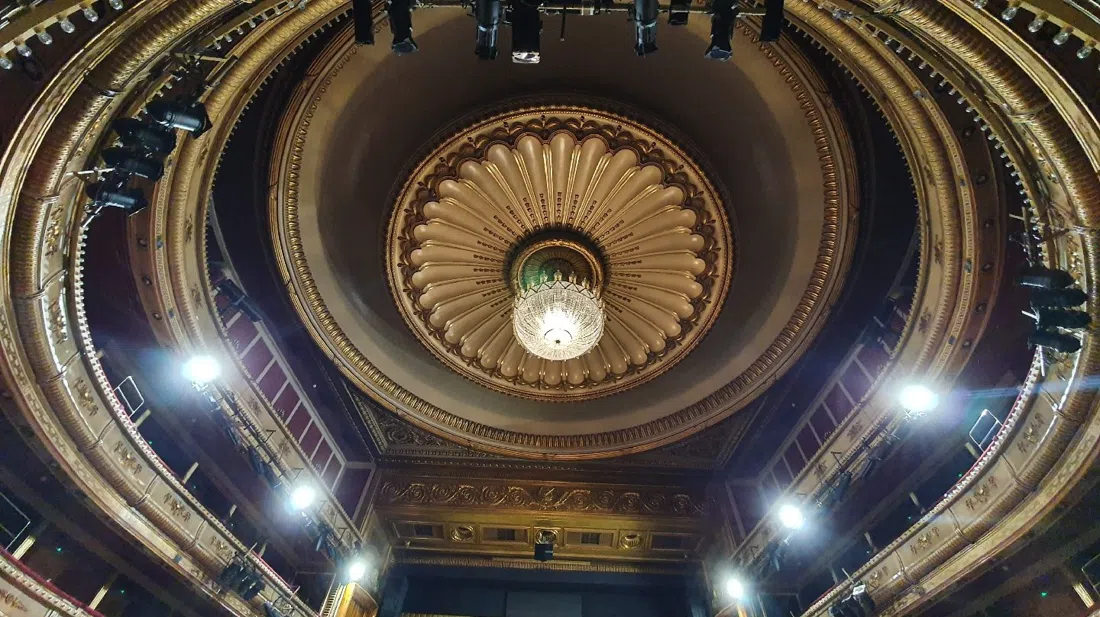
The Teatro de la Zarzuela (Centro) is the genre's flagship house, and it programmes accordingly for May. Tickets run roughly €15 to €70 depending on seat and production, group rates are available through the box office, and dates around San Isidro sell out — book ahead rather than turning up on the night. This is the version of zarzuela to see if the brief is the real thing rather than a plaza performance aimed at passersby.
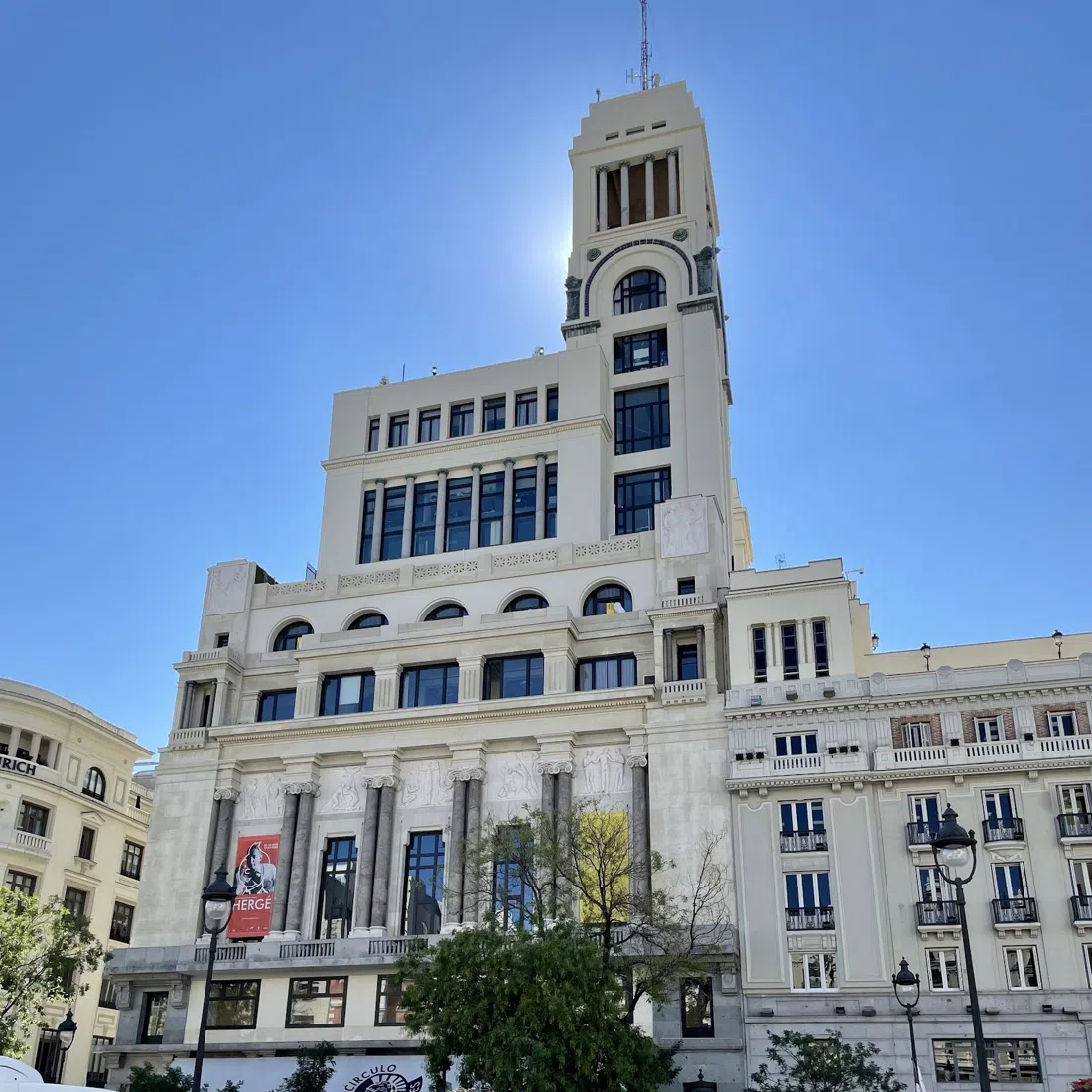
For a more hands-on introduction, the Círculo de Bellas Artes (Calle de Alcalá, Centro) pairs its rooftop terrace — one of the best views in the city, day-pass entry around €5 — with chotis dance workshops that run free or low-cost during festival season, though these should be booked ahead. It's a good half-day combination: learn the basic chotis steps, then watch people dance them properly in the Pradera that evening.
Dressing the Part
Chulapos and chulapas — the traditional dress of checked caps, waistcoats, and carnation-trimmed headscarves — are not costume for San Isidro; they're the standard uniform of the week, worn by people who've owned the pieces for years.
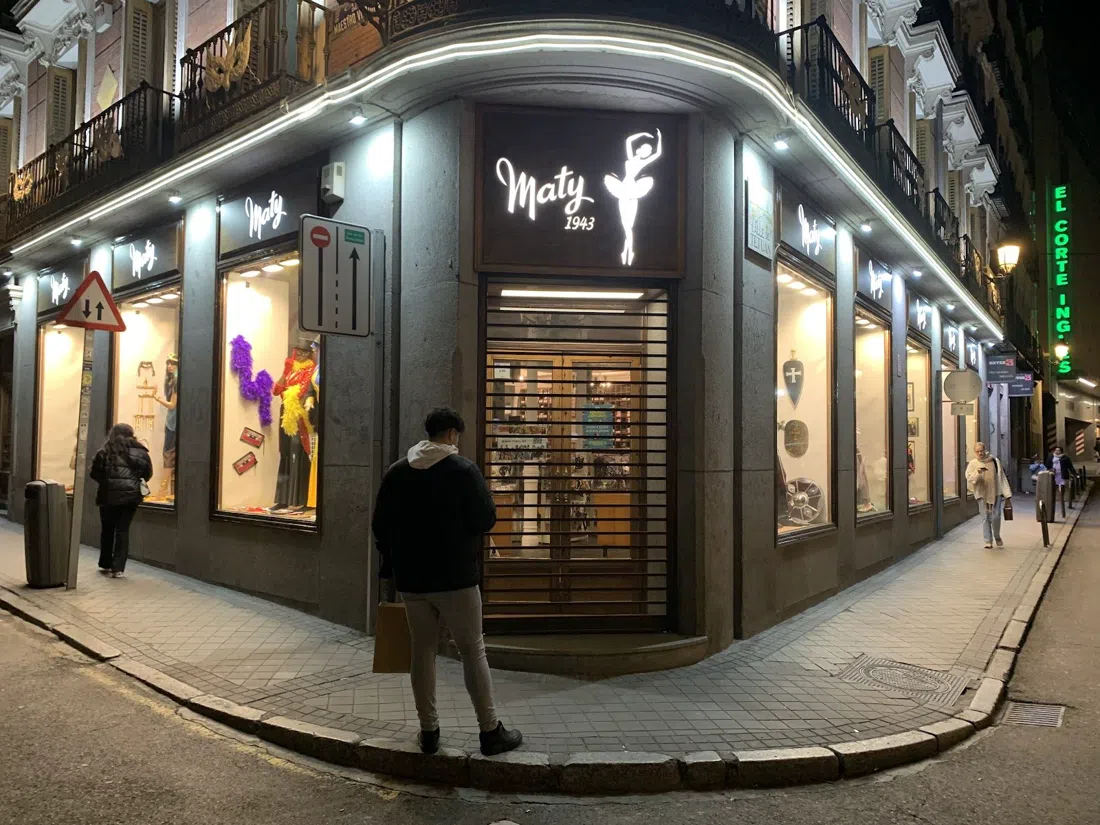
Maty (Calle del Carmen, Centro) is the outfitter locals actually use, not a fancy-dress substitute — it takes families and groups, with prices from around €25 for a simple accessory up to €400 or more for a full outfit. Book ahead if you're coming during festival week itself, when it's busiest.
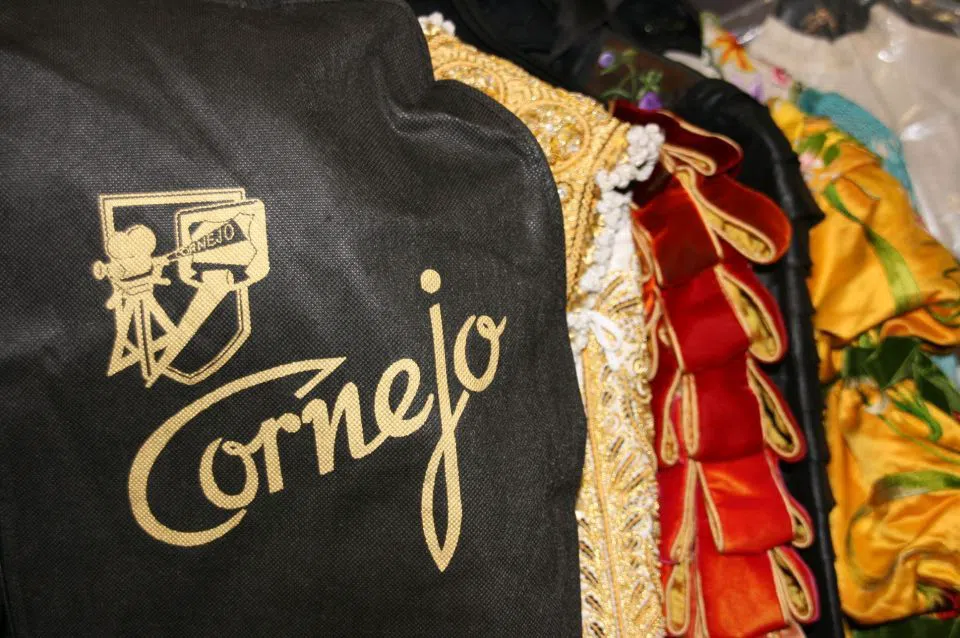
For a higher tier of the same thing, Cornejo (Centro, near Plaza Mayor) does rentals and fittings by appointment, at a noticeably higher price band than Maty, for anyone who wants tailored quality rather than an off-the-rack outfit. Appointments matter more here than at Maty — don't expect to walk in and be fitted same-day during peak week.
Rosquillas and Limonada
No San Isidro visit is complete without the ring-shaped rosquilla pastries and a glass of limonada madrileña — a wine-based punch despite the name — and the city has two long-standing counters that between them define the standard.
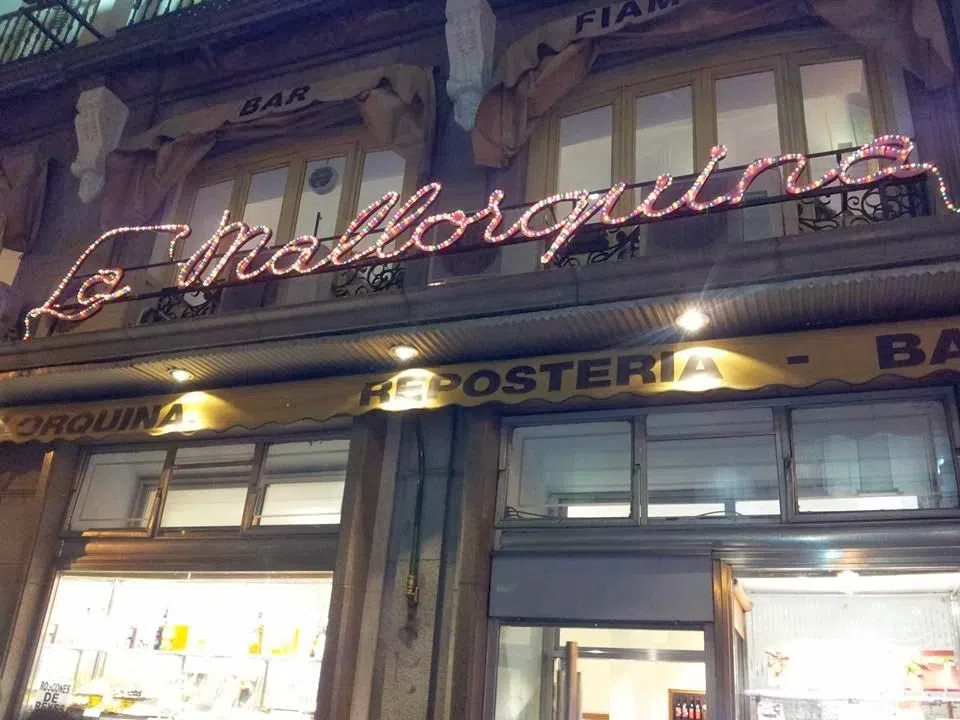
La Mallorquina, on Puerta del Sol (Centro), has been making San Isidro's rosquillas for over a century and is the benchmark version — the one against which the others get measured. It's a takeaway counter, not a café, so it suits groups happy to buy and move on rather than sit; rosquillas run €2 to €4 each, and expect a queue every May.
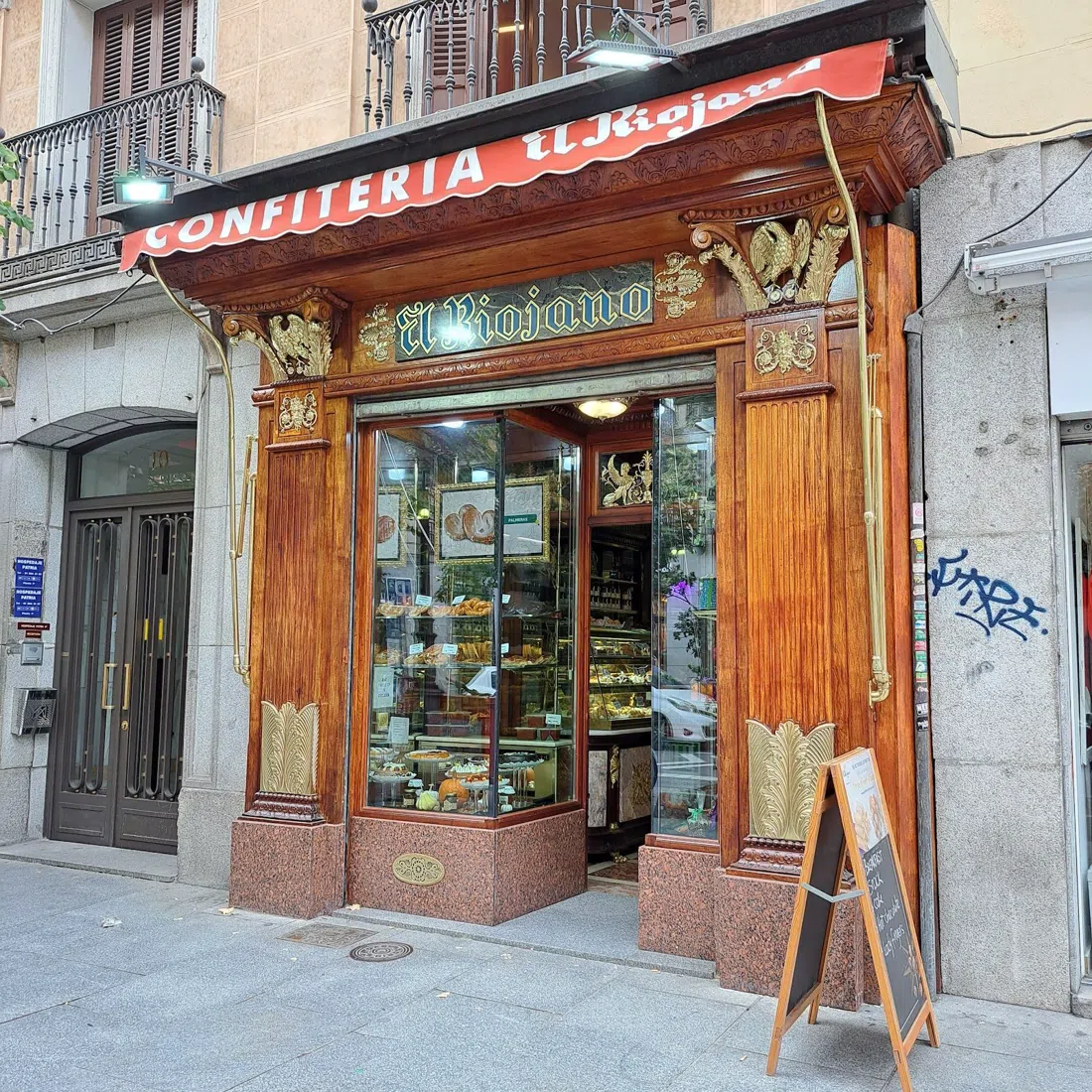
Across town, El Riojano (Calle Mayor, Centro), open since 1855, makes the same pastries with an older, more traditionalist reputation among people who've picked a side in the city's quiet rivalry over whose rosquilla is better. Prices are similar, €2 to €5, and it's also takeaway-only.
Eating Like a Madrileño
Away from the festival stalls, two addresses anchor the week in more permanent Madrid dining.
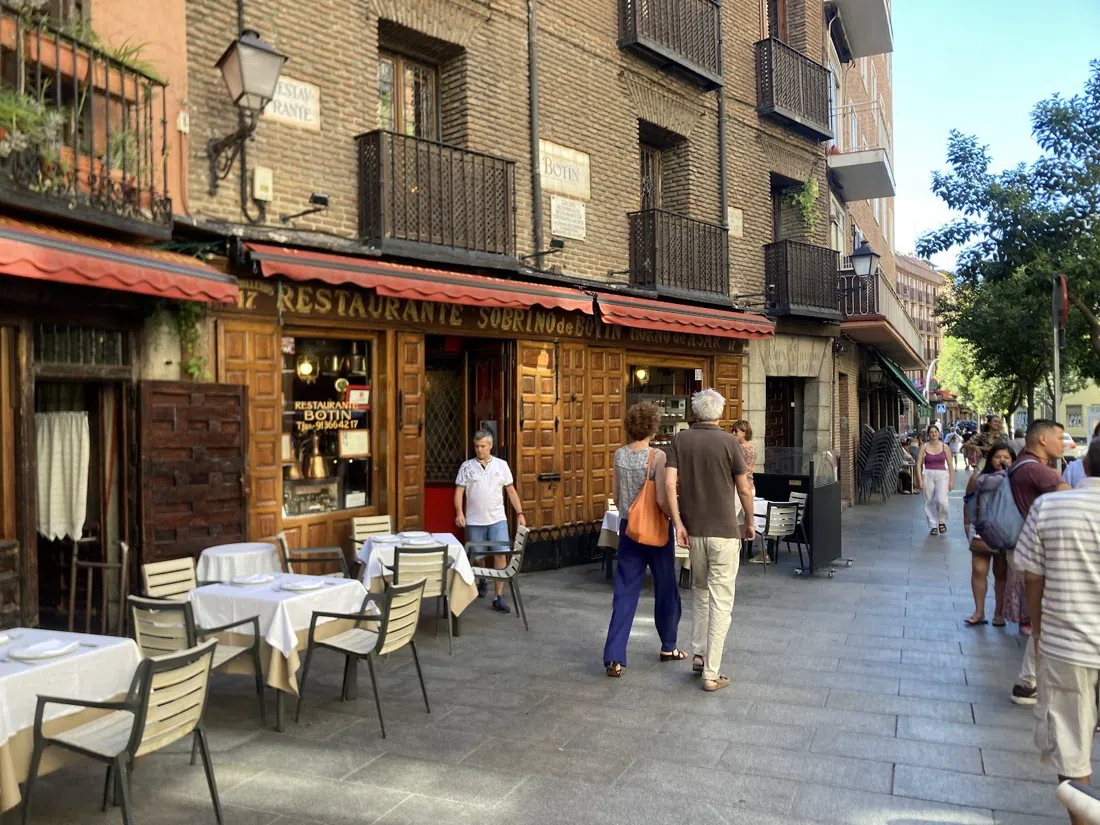
Casa Botín (Calle Cuchilleros, La Latina) is Guinness-certified as the oldest restaurant in the world, and its roast suckling pig and lamb are the castizo food benchmark the rest of the city's traditional kitchens are compared to. Reservations are essential — this is not a walk-in during festival week — though groups are accommodated with advance notice. Expect €€€ pricing, with mains around €25 to €35.
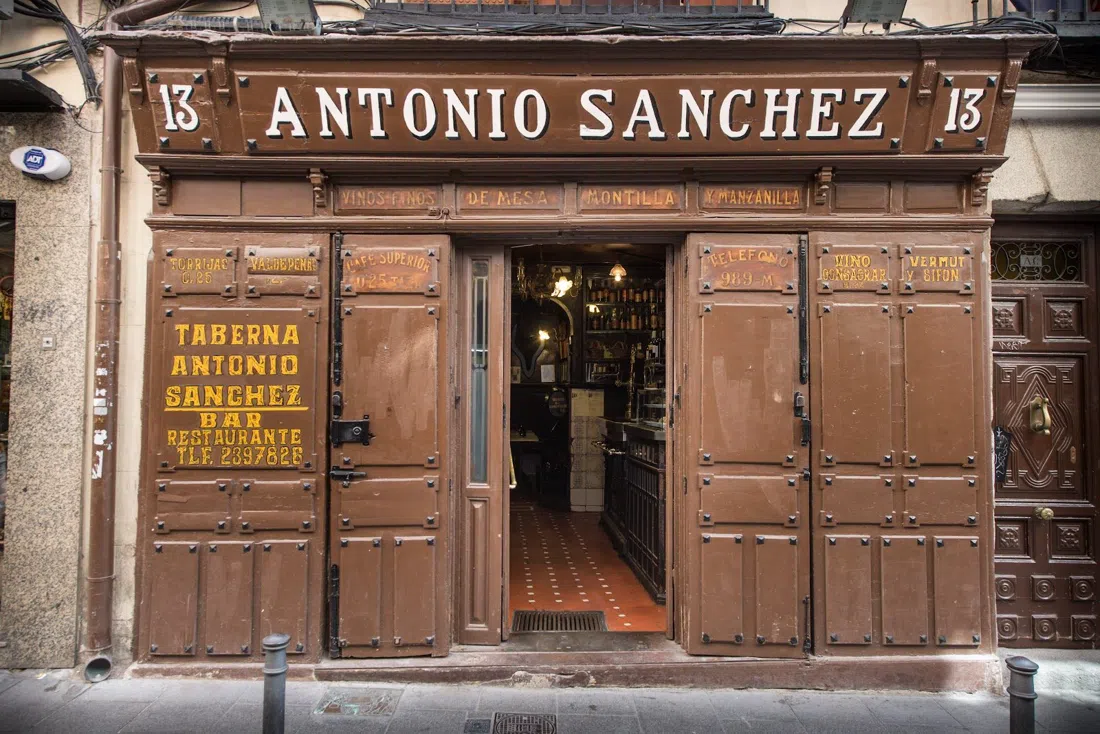
Taberna de Antonio Sánchez (Calle Mesón de Paredes, Lavapiés), Madrid's oldest tavern, sits on what was the old route between the city centre and the meadow, making it a natural stop on the way down to the Pradera. It's affordable — €€, tapas-priced — good for groups, and closed Mondays, so check the calendar if that's the only day that suits.
Beyond the Meadow
Two further stops round out a San Isidro week without duplicating the festival's own centre.
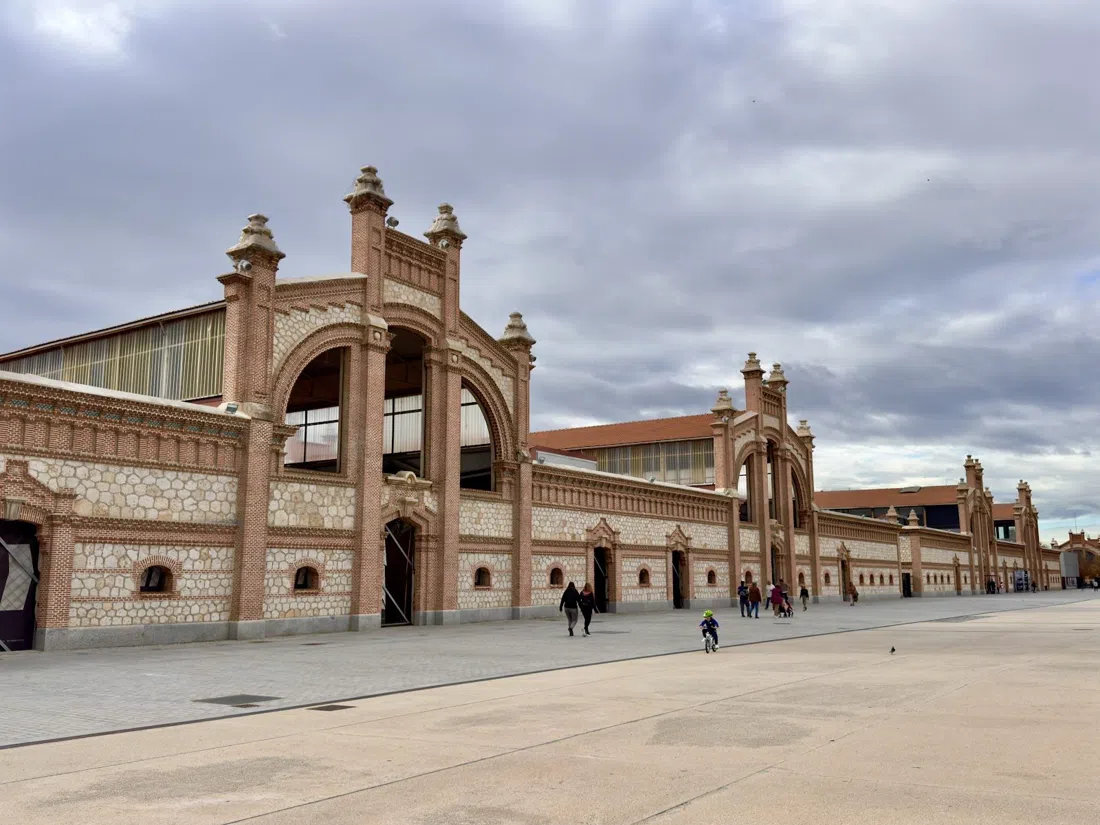
Matadero Madrid (Arganzuela), a former slaughterhouse turned cultural centre on the river route down toward the Pradera, bridges the historic pilgrimage with the city's contemporary culture — a useful contrast after a day steeped in tradition. It's a large public venue, free for the most part, with some workshops that need booking ahead.
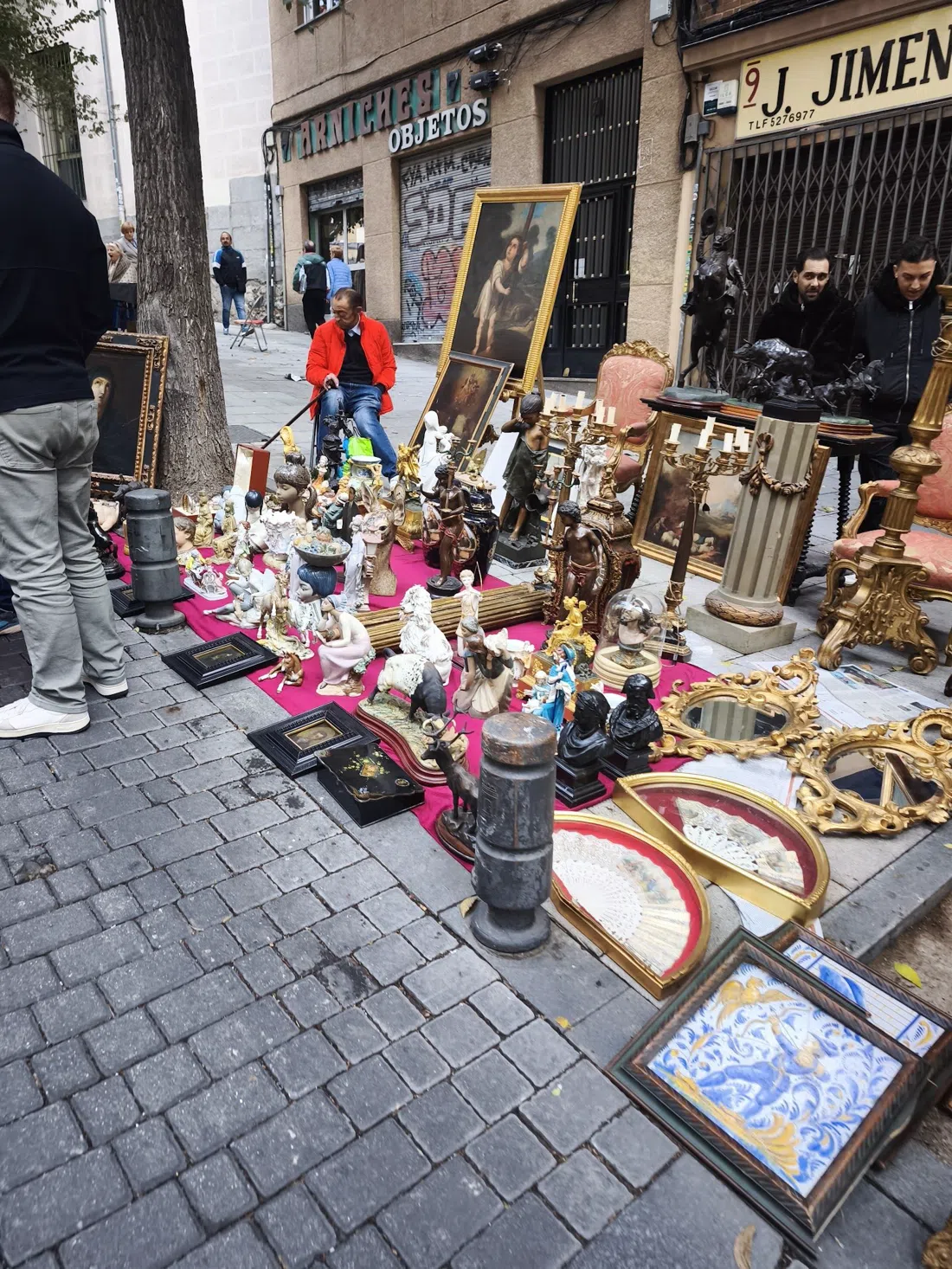
And for castizo neighbourhood colour beyond the festival itself, El Rastro (La Latina/Lavapiés) is Madrid's Sunday flea market — pick the Sunday that falls nearest San Isidro week. It's an open street market, free to enter, any size group welcome, with prices entirely down to your own bargaining.
Planning Your Visit
Transport: The Pradera de San Isidro is best reached by Metro to Marqués de Vadillo (Line 5) or Pirámides (Line 5), both a walk from the meadow; on 15 May itself, roads around the area close to traffic, so don't plan on driving in. The Vistillas and La Latina sites cluster within walking distance of each other and of Metro La Latina.
Cash: Festival stalls in the Pradera are largely cash-based, so carry small notes and coins rather than relying on card readers at food stands; the sit-down restaurants and shops all take cards.
Timing: The festival runs 8–17 May 2026, but 15 May is the day everything converges — mass at the Real Colegiata, procession, the meadow at its fullest, and the longest queue at the Ermita's holy well. If crowds aren't your preference, the days either side of the 15th carry the same atmosphere at a fraction of the density.
Budget: This is one of Madrid's cheapest festivals to attend — most of the core experience (the meadow, the hermitage, the Vistillas verbena, the museum) is free, and a day of rosquillas and limonada rarely runs past €15–20 per person. The costs concentrate in optional extras: theatre tickets, costume rental, and sit-down meals at places like Casa Botín.
For where to stay within reach of both the meadow and La Latina's older sites, see Madrid hotel search; for the rest of the city beyond festival week, the Madrid guide covers it.