The Madrid issue
Where Madrid Still Dances the Chotis
The chotis is danced on a single floor tile, and Madrid still turns it out weekly: in mirrored ballrooms, at a free Lavapiés class, and in one August square with ten couples and a barrel organ.

By Lieke DoornWalking routes, quiet hours and the barrios worth slowing down in
The chotis is danced on a single floor tile. He turns on the spot, hands behind his back or resting at her waist; she walks a slow circle around him, and between them the couple takes up less room than a café table. It is a small, contained dance, and Madrid still turns it out every week: in mirrored ballrooms out in the barrios, in a free monthly class in Lavapiés, and once each August in a square in La Latina with ten couples, a jury and a barrel organ.
What the chotis is and where it survives
The chotis reached Madrid in the nineteenth century as a foreign import, a schottische filtered through the ballrooms of central Europe, and the city kept it long after the fashion moved on elsewhere. It belongs to the verbena: the neighbourhood saint's-day street party, the organillo, the flat parpusa cap, the fringed shawl. Castizo is the word madrileños use for that whole register, meaning local, old, a little self-aware, and not staged for anyone's benefit.
Three things are worth knowing before you build a night around it. First, the street version is seasonal. It clusters around San Isidro in May and the August verbenas, and outside those weeks the squares are just squares. Second, the indoor version runs all year, but no hall in Madrid plays chotis for four hours straight. What the halls run is baile de salón, ballroom, where pasodoble, bolero, waltz and chotis-adjacent rhythms come round in rotation across the evening. Go expecting a night of social dancing with the chotis in it and you will get exactly what you came for. Go expecting a chotis-only club and an otherwise good night will disappoint you.
Third is the clock. Madrid's reputation is for late starts; the dance halls are the opposite. Ballroom sessions are early-evening affairs that finish around midnight, and the floor skews comfortably past forty. Arrive at eight, not at one.
Plan your Madrid trip
Live prices from our booking partners.
Free cancellation on many rooms. We may earn a commission when you book.
Learning the steps before you need them
You can watch, but the chotis rewards ten minutes of instruction more than most social dances, because almost all of the difficulty sits in the man's pivot and the couple's shared axis.
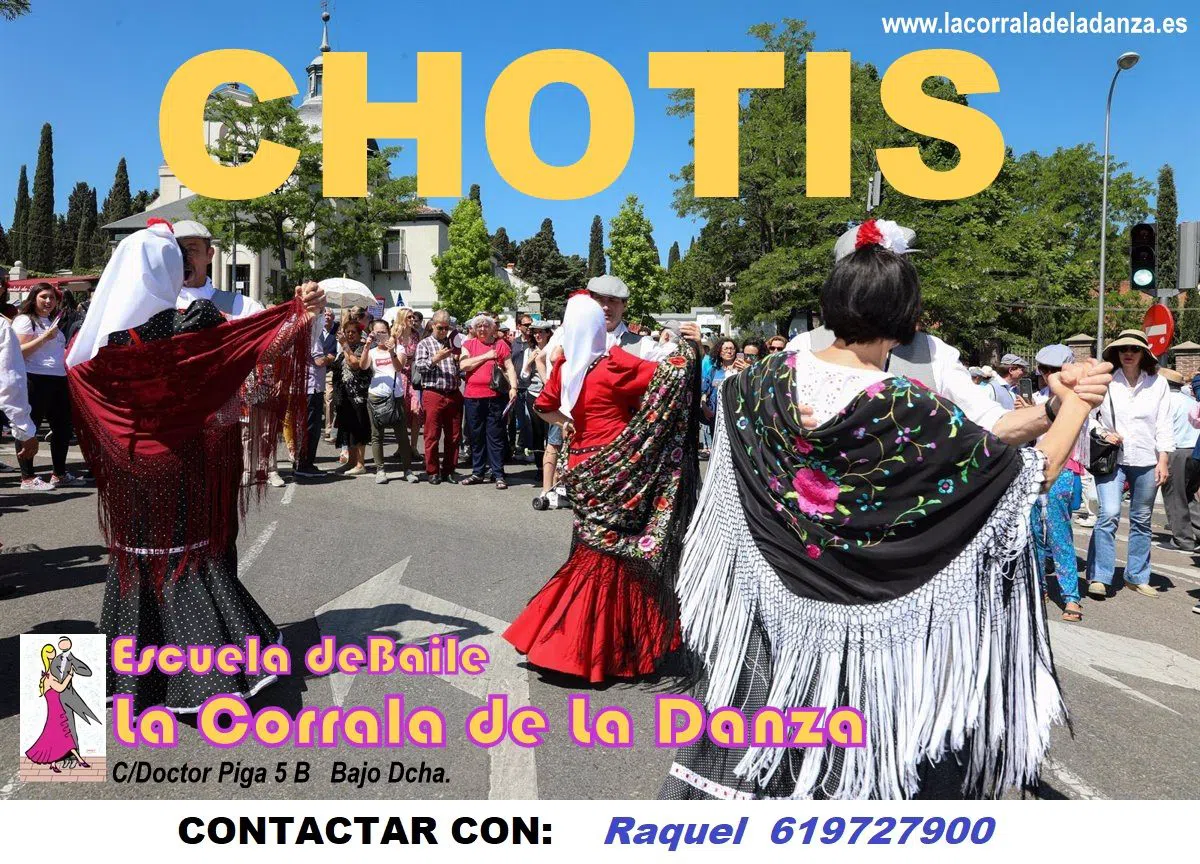
La Corrala de la Danza in Lavapiés is where Raquel Hinojosa teaches her chotis classes. The studio and the Escuela de Chotis Raquel Hinojosa are one address and one operator, so do not go looking for two places. Classes run Monday evenings 20:30 to 21:30 at around €12 a head. Come with a partner: the chotis is danced in couples and the class is built that way, so a solo traveller will be the odd one out. The building has six rooms between 29 and 72 m² and the halls are rentable, which makes a private group class easy to arrange. Call 915 39 58 45 or send Raquel a WhatsApp on 619 727 900 to set one up.
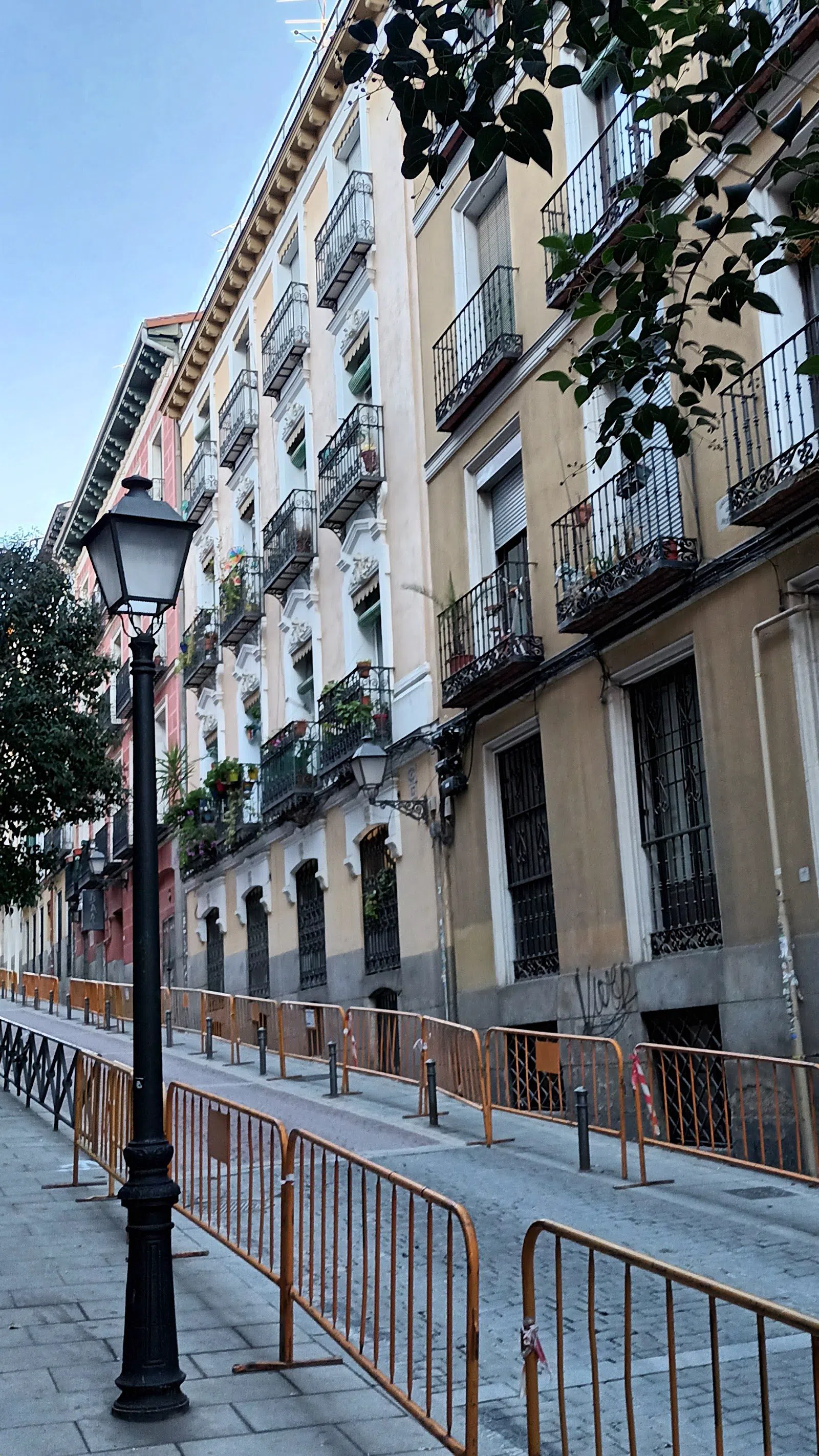
The free option is a real one. Centro Cultural Lavapiés hosts Sábados de Chotis on the last Saturday of the month from October through March, taught by the Asociación Chotis Siempre Madrid, an association founded by twelve couples over forty years ago. They are the custodians of the dance in the city, not an act put on for visitors. It is free but capped at 25 people, and registration by email to [email protected] is mandatory. Any group larger than four should write well ahead, because it will not fit into a late booking.
Sala Templo is the third route, and the one that needs a phone call first. Fredy Bedoya and Viviana González teach a syllabus that runs waltz, bolero, fox, swing and pasodoble, and ballroom social sessions follow Thursday to Sunday from about 20:15. Class prices are quoted on request and typically land at €10 to €15. It is a school first and a social floor second, so confirm the session is running before crossing town for it, and message on WhatsApp to arrange anything group-sized. Turning up unannounced with twelve people will not work here.

The halls that open every week
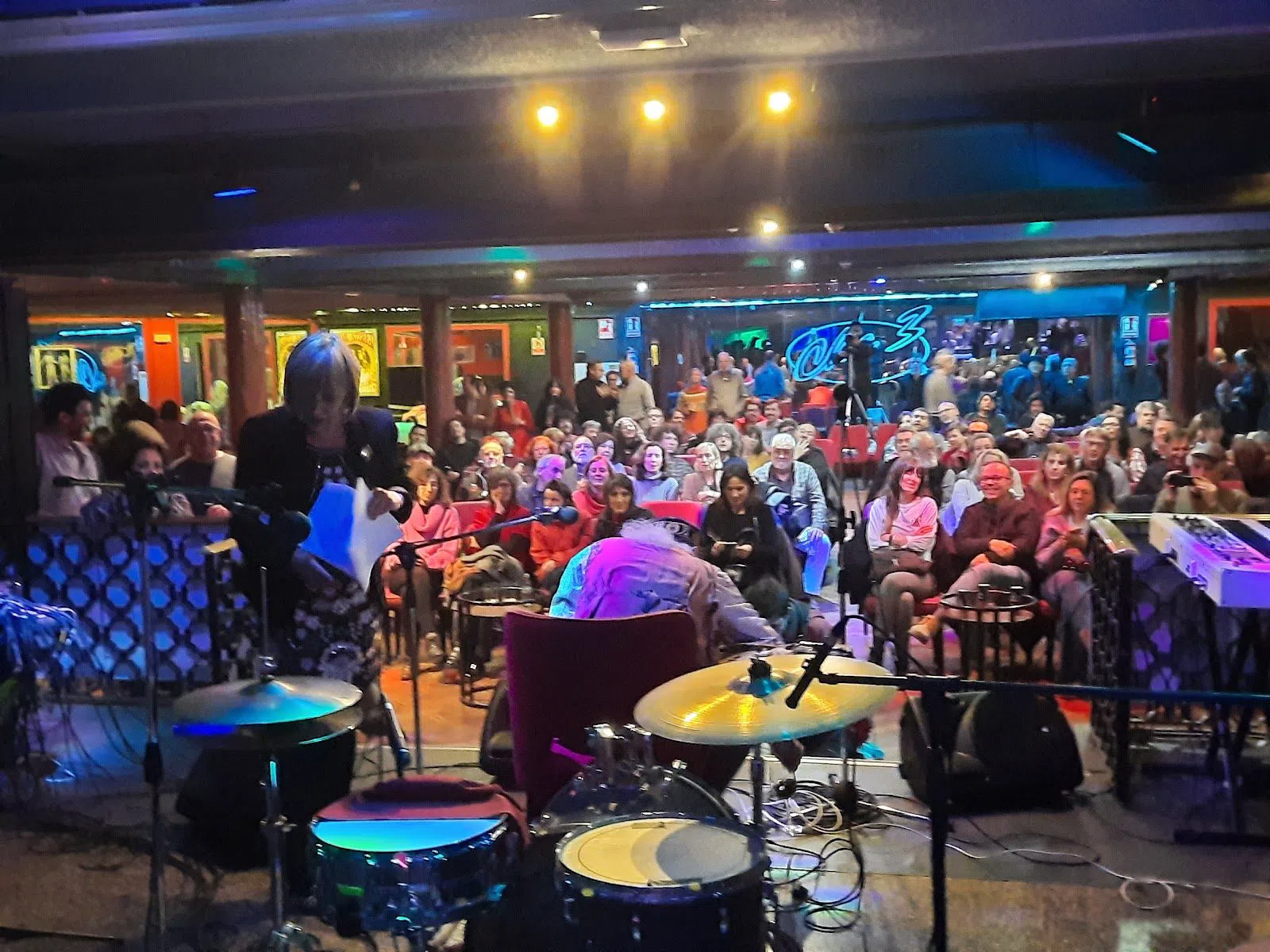
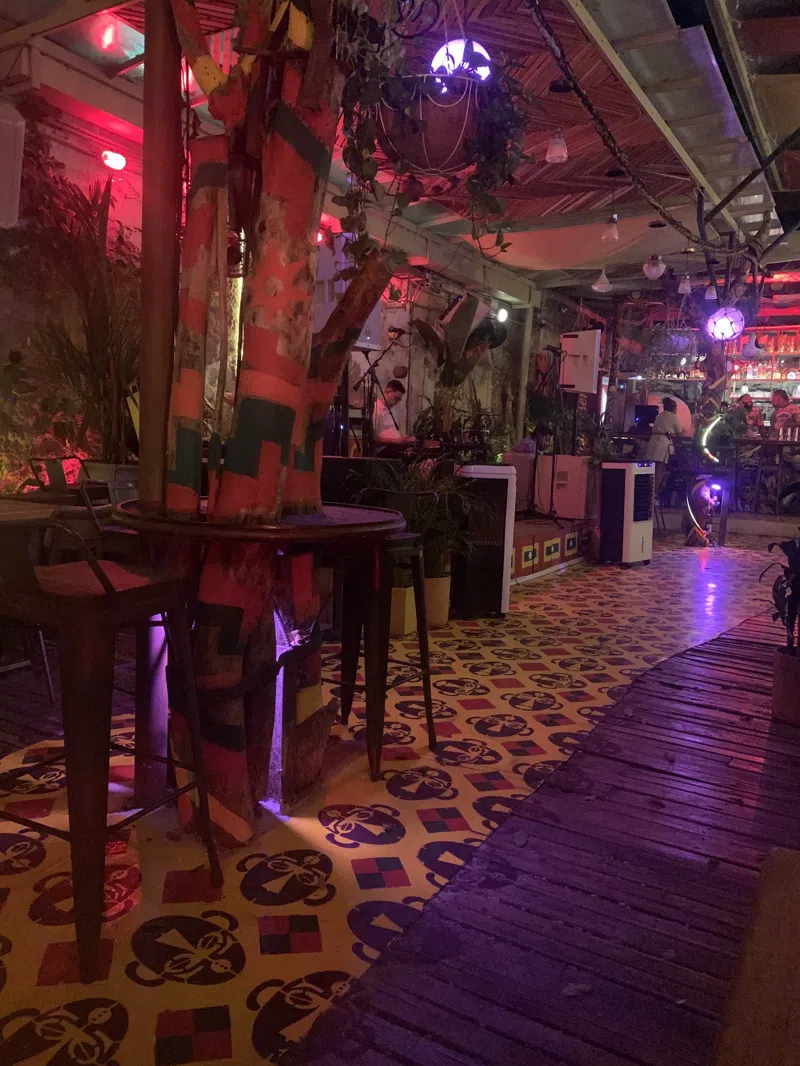
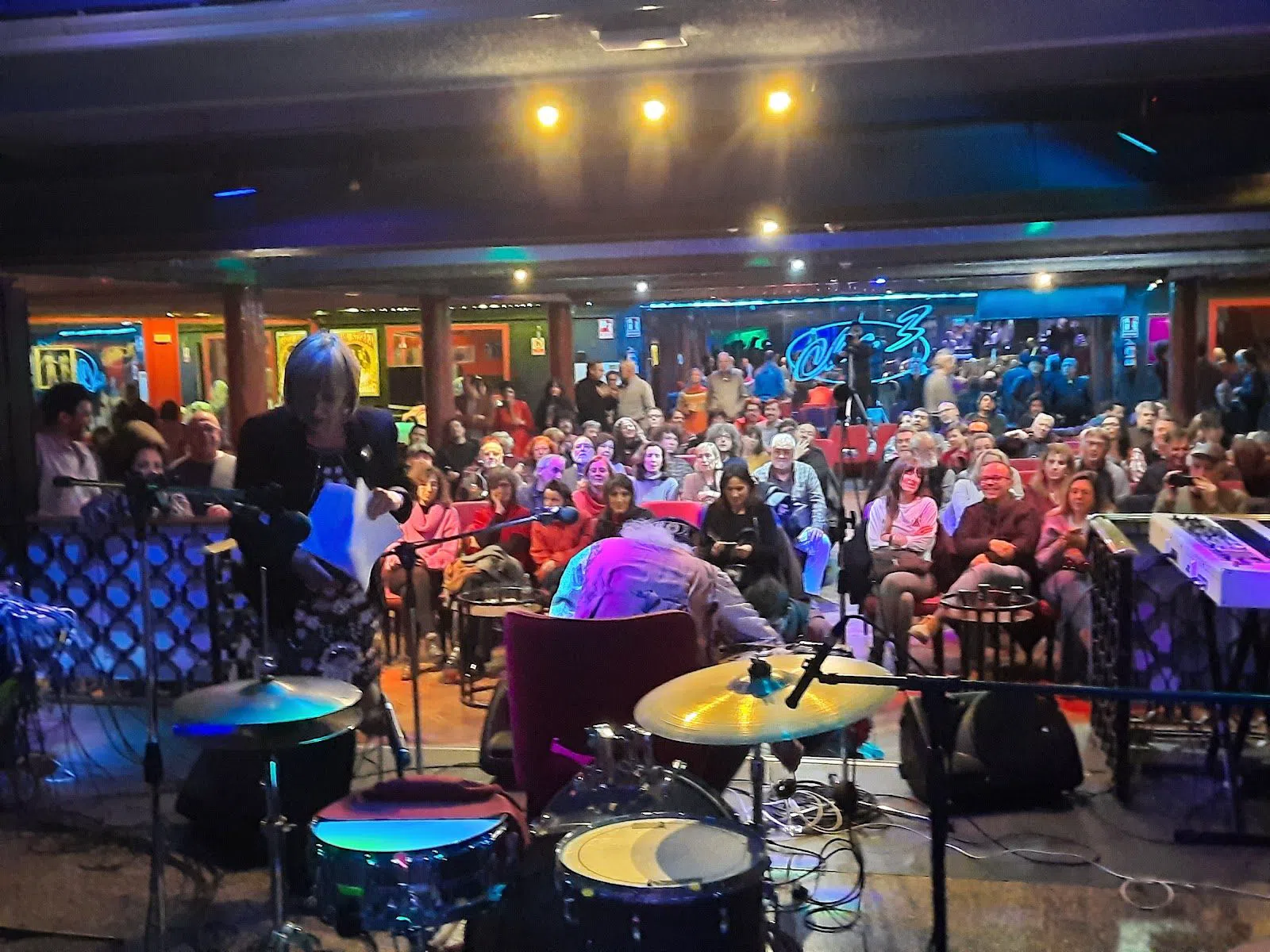
Cha 3 keeps the steadiest schedule of the dance halls, the same slots all year, so you can build a plan around it. Ballroom sessions run Wednesday 20:00 to 24:00, Saturday 19:30 to 23:30 and Sunday 19:30 to 24:00, with pasodoble and chotis-adjacent rhythms in the mix. Entry is around €10 to €15 with drinks extra, there is no partner requirement and no door policy to speak of. Walk in, sit at the edge and watch a rotation before you stand up. Groups are fine, though a big table on a Saturday is worth a call ahead on 915 41 90 90.
Tropical House is the most central of the proper dance halls, big and comfortable and unfussy, with no meaningful door policy and enough scale to absorb a group that the smaller salons would struggle with. The ballroom runs roughly 20:00 to 24:00 and then the room turns to Latin rhythms until dawn. Those ballroom hours are the entire reason to come: arrive at eight and you are in a dance hall, arrive at midnight and you are in a salsa club. Entry sits around €10 to €12.

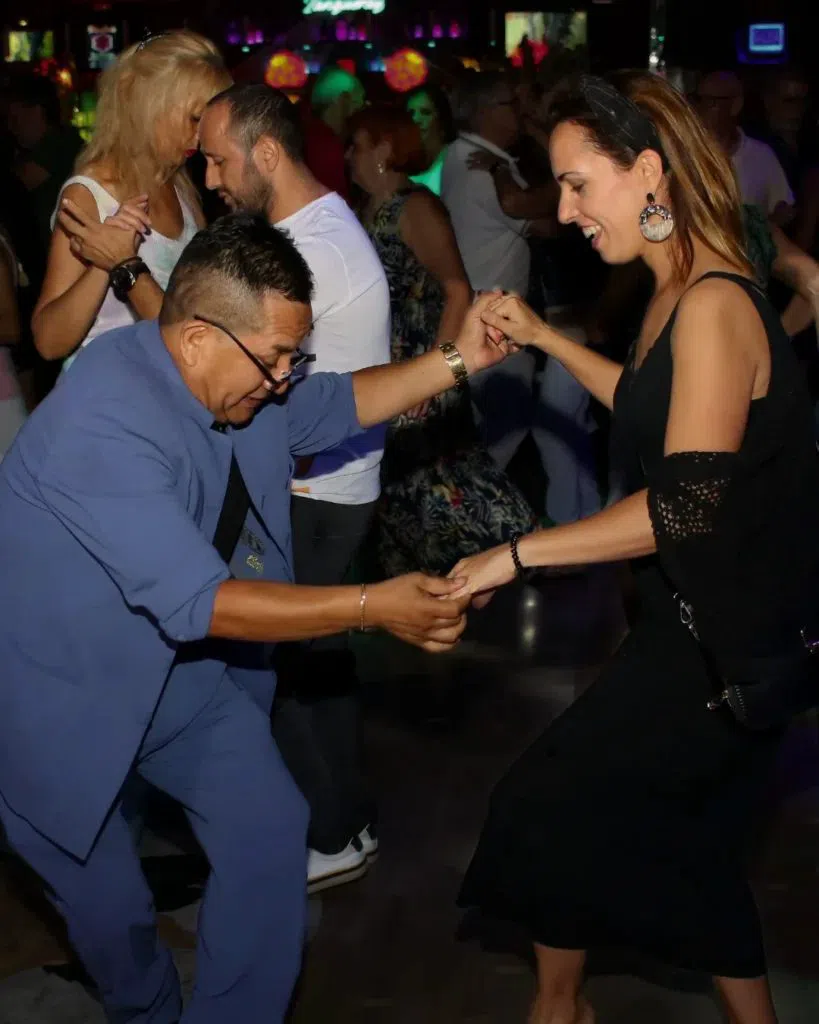
Discoteca La Rosa, out in the southern barrios, has an actual orchestra instead of a DJ. The classic session runs 18:00 to 23:30, before the modern night session takes the room. It is explicitly a 40-plus room with a mature and respectful crowd, and the venue is bookable for private parties and themed events, so a group is welcome. Entry is about €10 to €12. It sits well outside the tourist map, which is the point: madrileños dance in this room, and visitors are rarely sent to it.
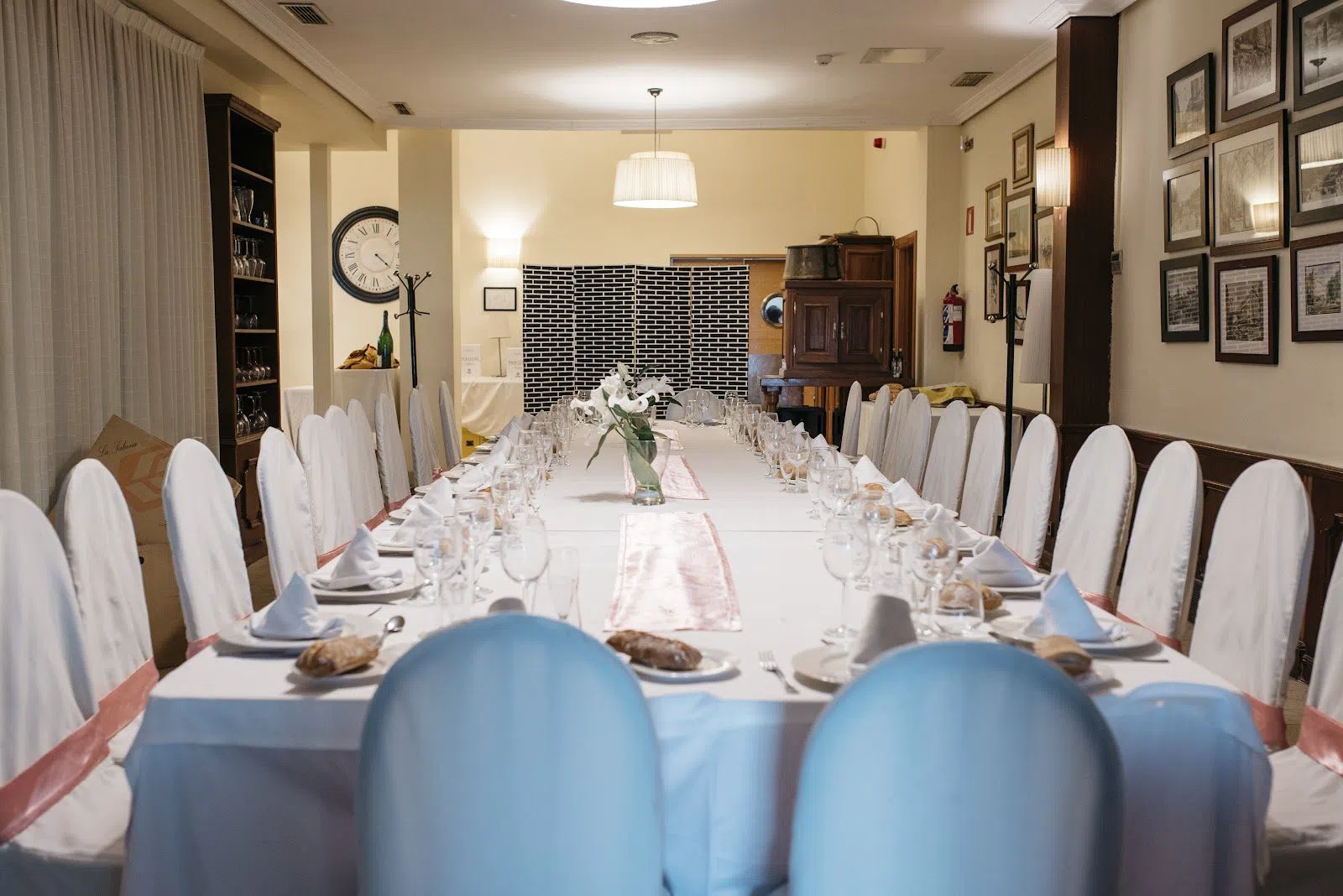
El Ninot, up in Fuencarral in the north, folds dinner into the evening. Dinner, live orchestra and ballroom dancing run Friday and Saturday from 21:00, with dance-only entry from 23:00 for anyone who skips the food; budget roughly €40 to €60 a head with dinner. It is a banquet and celebrations venue that handles company dinners and weddings, so a table of twenty is routine, and it is the easiest booking on this list for a large group. It is run by María Rosa and Vicente Alonso Rodríguez, who were chosen to give the 2026 opening speech for Fuencarral's fiestas. Factor the taxi both ways into the budget.
The chotis on a stage
The chotis also lives in zarzuela, the Spanish light opera that put the verbena on stage and then handed it back to the street. Two houses carry it, and they run in different seasons, so the month decides which one you see. Do not try to stack both into one night.
Teatro La Latina, in the neighbourhood the music came from, runs eight nineteenth-century zarzuelas across summer 2026, from 22 July to 6 September, including La Verbena de la Paloma, La Gran Vía, La Revoltosa and El barberillo de Lavapiés. The season is staged deliberately around the San Cayetano, San Lorenzo and La Paloma feast days, so the show and the street festival run in the same fortnight. Tickets start at €21.20, booking is ordinary theatre booking, and group rates are available through the box office; the summer run makes block seating straightforward.
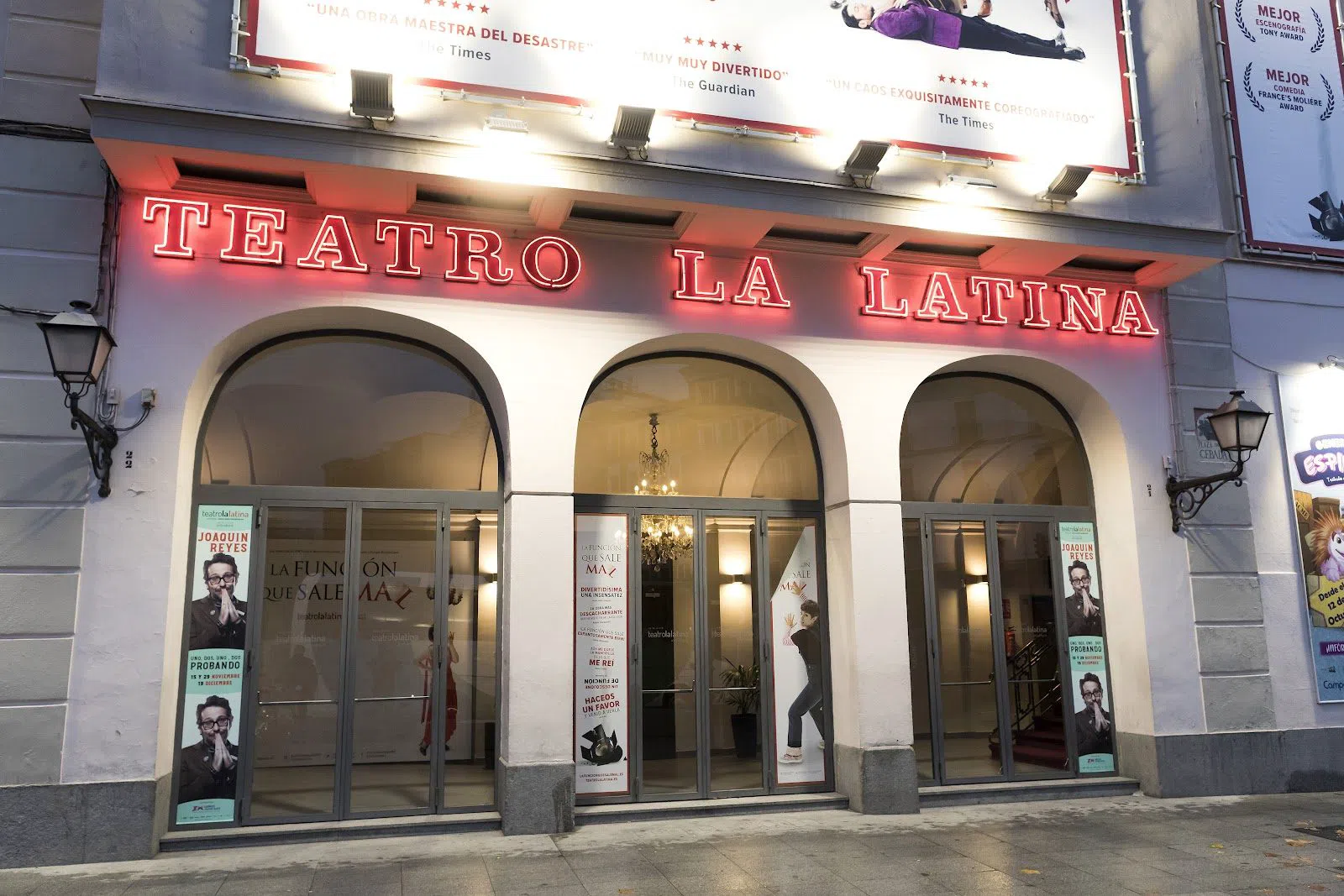
Teatro de la Zarzuela, a few streets from the centre, is the genre's home house and the more formal of the two. La Verbena de la Paloma returns 23 September to 4 October 2026 at 19:30, Sundays at 18:00, in a Nuria Castejón production paired with the prologue Adiós, Apolo. Seats run roughly €12 to €50 depending on where you sit, which keeps it affordable despite the setting, and group bookings through the box office are simple.
Carnival night at the Círculo
Círculo de Bellas Artes, on Calle de Alcalá, holds Madrid's grandest surviving ballroom, and its Baile de Máscaras has run since 1891; the centenary edition of the house's own carnival fell on 14 February 2026. It is an over-18s ticketed event in the €€ to €€€ range, and it comes round each February, so it is something to plan a trip around. Outside the ball, general building access is about €5 and gets you the salons, the café and the rooftop, and the salons themselves are rentable for private events.

The Círculo also hosts the city's free chotis workshops around San Isidro in May. Treat those as date-specific: the May 2025 run has ended and 2026 dates are announced case by case. Check the programme before you promise anyone a workshop.
Dancing in the street
The most dependable free chotis in Madrid happens on Sunday mornings. Asociación Chotis Siempre Madrid, the same association behind the Lavapiés class, dances in the street every Sunday of the year, starting at 12:00 at Puerta del Sol and finishing around 14:00 in Plaza Mayor. There is nothing to book and nothing to pay. Stand at the edge of the circle for a few numbers and you will see the step done by people who have danced it their whole lives.
The big night is August. The Verbena de la Paloma runs 13 to 16 August 2026 across Jardines de Las Vistillas and Plaza de la Paja in La Latina, spilling through Cava Baja and the surrounding streets. It is a free open street festival with no door and no booking, and a group can simply walk into it. The chotis contest takes place at Plaza de la Paja at 19:30, with registration opening thirty minutes beforehand and a hard cap of ten couples, so anyone hoping to enter needs to be standing there at 19:00. Organillo displays run at Calatrava 3. Expect dense crowds on the 15th in particular, and expect to move slowly through La Latina all evening.
Where to eat before and finish after
Taberna Antonio Sánchez in Lavapiés is the right first stop before a dance-hall night. It is Madrid's oldest tavern, trading before February 1787 and named for the bullfighter's family who bought it in 1884, and one of the very few that kept its period interior intact. It holds a Google rating of 4.2 from more than 1,700 reviews. Cocido and the house vermouth are the order; budget €30 to €40 a head. The room is small and genuinely old, so six or eight people work and a large group will swamp it. Book ahead.
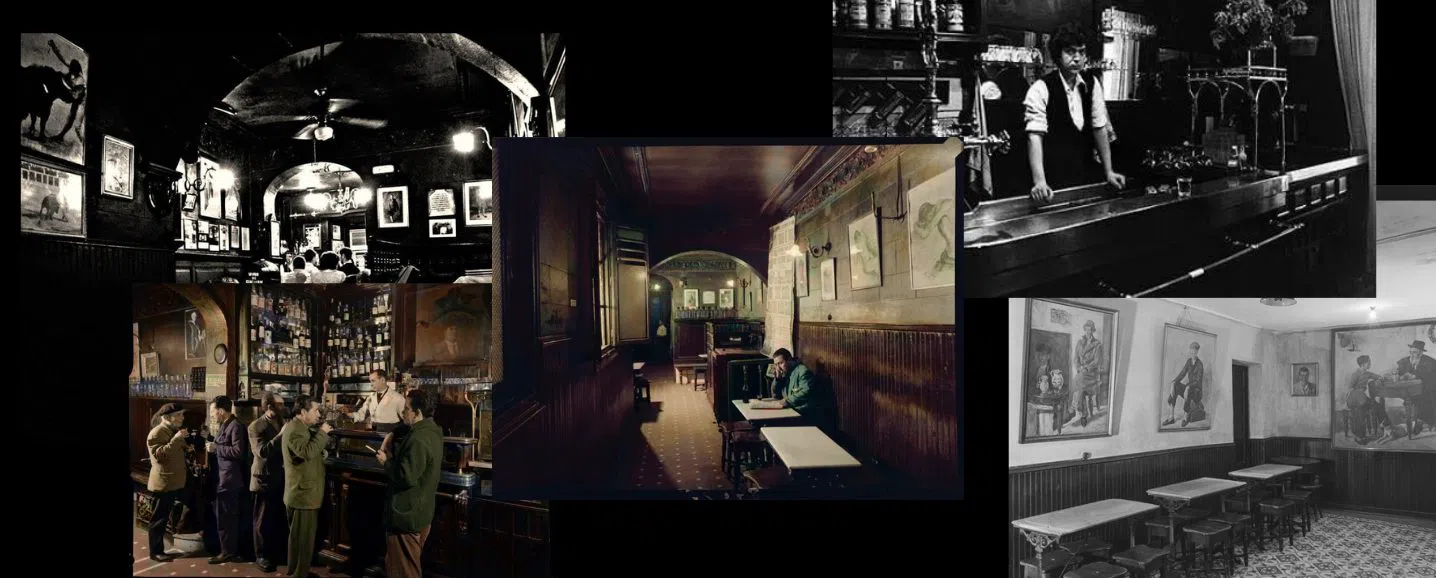
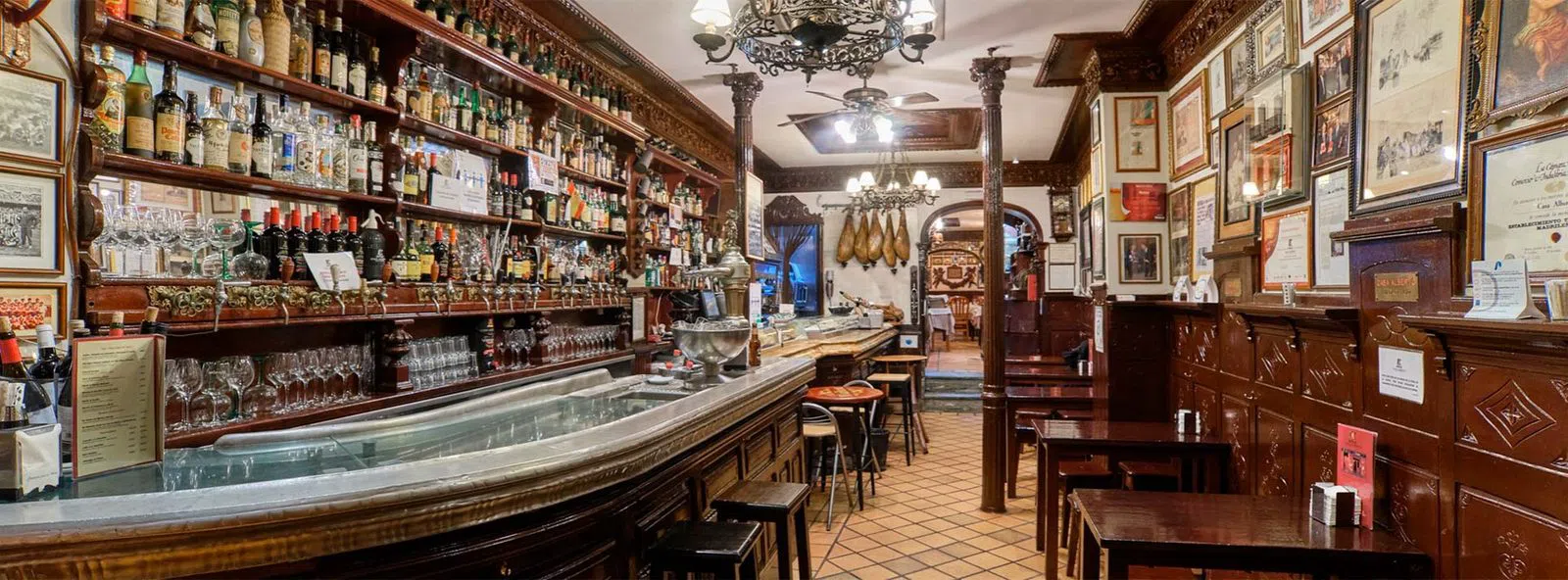
Casa Alberto, on the Huertas side, has stood since 1827 on the site of the building where Cervantes lived, and was awarded a Repsol Sun in 2026, so the quality bar is met on paper as well as in atmosphere. It is a tavern at the front with a dining room behind, and groups should book the back room. Hours are Tuesday to Saturday 12:00 to 23:00 and Sunday 12:00 to 16:00, closed Mondays. It closes from 2 to 24 August, which is precisely the Verbena de la Paloma window. If August is your trip, eat at the taberna instead.
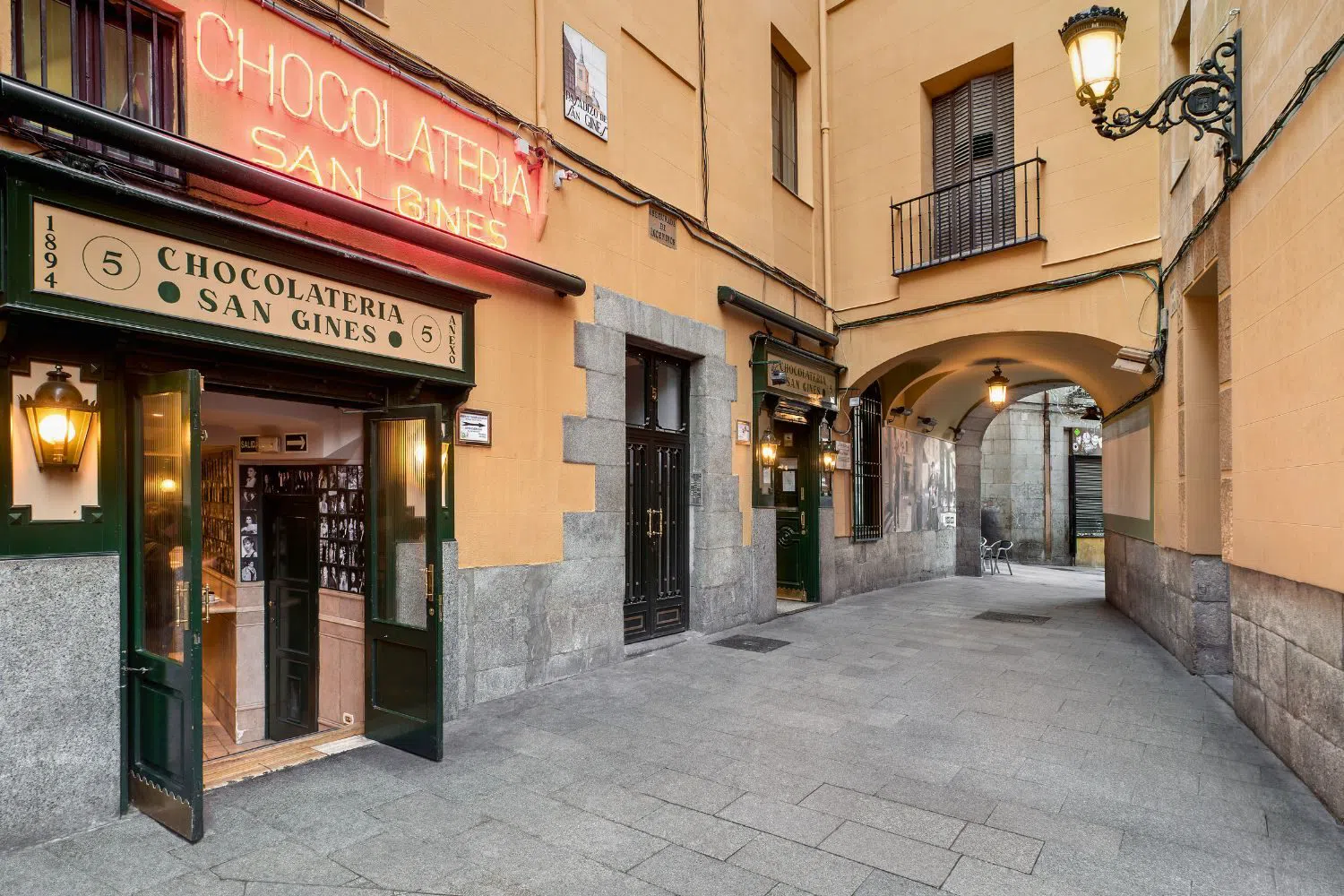
Chocolatería San Ginés, in an alley behind Plaza Mayor, is where the night ends. It has been trading since 1894, opens 24 hours Thursday to Sunday and on the eve of holidays, and runs 08:00 to 23:59 Monday to Wednesday. No booking, no door policy, and it is the one place on this list that will absorb a group of fifteen at four in the morning. Around €6 a head. It is thoroughly touristed, and madrileños still finish here after a verbena; both are true.
Planning the night
Build the evening backwards from an early finish. Dinner at 20:00 does not work if the ballroom starts at 20:00, so eat at 19:00 or eat afterwards. Cha 3, Tropical House and La Rosa all have their ballroom hours done by around midnight, and El Ninot's dance-only entry at 23:00 is the one late door.
The season decides most of the rest. October to March for the free Lavapiés class. Late July to early September for the La Latina zarzuela season, and late September for Teatro de la Zarzuela. Mid-August for the verbena, May for San Isidro, February for the Círculo ball. Any Sunday of the year for the street dancing at Sol.
The Metro runs until about 01:30, which covers every ballroom session here, and night buses radiate from the centre after that. La Rosa in the southern barrios and El Ninot up in Fuencarral both justify a taxi at least one way, so factor €15 to €25 each into those two nights.
Carry some cash. Theatre and restaurant bookings take cards without drama, but small hall entry, a bar round in a barrio ballroom and a class fee are all smoother in cash. Keep €40 in notes on you.
A full night runs roughly €35 to €60 a head: hall entry €10 to €15, a couple of drinks, chocolate at the end. A class adds around €12. Dinner and dance at El Ninot pushes it to €60 to €80. There is also a free route, the Sunday street dance at Sol, the Lavapiés class if you register early, and the August verbena, which costs nothing but the drinks.
La Latina, Lavapiés and the streets around Sol put you within walking distance of most of this list and a short taxi from the rest; compare rates and neighbourhoods with a Madrid hotel search, and see the wider Madrid guide for how the districts fit together.
Before you go
Do I need a partner to dance the chotis in Madrid?
For the social dance halls, no: Cha 3 runs walk-in sessions with no partner required and no door policy to speak of. Classes are different. Raquel Hinojosa's Monday sessions at La Corrala de la Danza are built around couples, because the chotis is danced in couples, so bring someone.
Can I see the chotis outside festival season?
Yes. Asociación Chotis Siempre Madrid dances free in the street every Sunday of the year, from 12:00 at Puerta del Sol to around 14:00 in Plaza Mayor. The ballroom halls also run all year, though they mix chotis into a wider baile de salón rotation with pasodoble, bolero and waltz.
What does a chotis night in Madrid cost?
Hall entry sits at roughly €10 to €15 with drinks extra, a class is about €12, and chocolate at San Ginés is around €6, so a normal night lands between €35 and €60 a head. Dinner and dancing at El Ninot runs €40 to €60 for the food alone. The Sunday street dance, the Lavapiés class and the August verbena are free.
What time do Madrid's dance halls actually start?
Early, by Madrid standards. Cha 3 runs 20:00 to 24:00 on Wednesdays and 19:30 starts at the weekend, Discoteca La Rosa's classic session runs 18:00 to 23:30, and Tropical House holds its ballroom hours from about 20:00 to midnight before switching to Latin music until dawn. Arrive at eight or you will miss the ballroom entirely.
Are these venues suitable for a large group?
Some are, some are not. El Ninot is a banquet venue where a table of twenty is routine, Tropical House has the scale for it, and Discoteca La Rosa takes private bookings. Taberna Antonio Sánchez is small and a big group will swamp it, and the free Lavapiés class is capped at 25 with mandatory email registration, so anything over four people needs to write well ahead.