The Madrid issue
Madrid Comes Back in October When the Heat Lets Go
The August shutters come back up, the roasting ovens make sense again, and the city drops back to walking pace: how to use Madrid's mildest month, hour by hour.

By Lieke DoornWalking routes, quiet hours and the barrios worth slowing down in
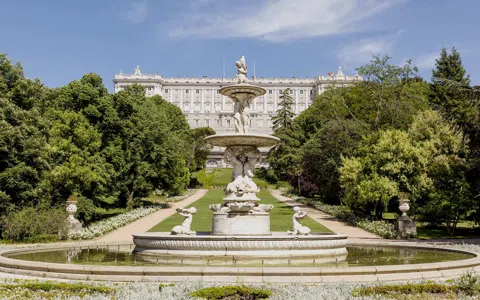
Madrid spends August with its shutters down and half its dining rooms dark, and then, some time in the first fortnight of October, it fills back in. Afternoons settle into the low twenties, the shaded side of the street stops being the only usable one, and the cypresses around the Retiro pond turn copper. A city that in summer is a series of short dashes between air-conditioned rooms becomes, again, somewhere you cross on foot.
What October changes
Two dates shape the month. The first is Monday 12 October, Spain's national day, when museums run holiday timetables (some free, some busier than a Saturday) and several places that normally close on Mondays open instead. The second is Sunday 25 October, when the clocks go back an hour. Before it, dusk arrives around eight in the evening; after it, the light is going by six. That matters more here than it might elsewhere, because several of Madrid's outdoor spaces close at sunset rather than at a fixed hour, and the difference between the first and last week of the month is close to two hours of usable evening.
October also changes what is on the table. The old Castilian dining rooms shut for the whole of August and reopen for autumn, and their food was written for weather that has only just turned up: roast suckling pig, thick egg-and-potato plates, chocolate served hot enough to hurt. Bring a jacket for the nights, which drop into single figures by the end of the month, and expect a few genuinely wet days; October is one of Madrid's rainier months, though rain here tends to come and go within a morning.
Plan your Madrid trip
Live prices from our booking partners.
Free cancellation on many rooms. We may earn a commission when you book.
Three museums along one avenue
The Paseo del Prado carries three national collections within a fifteen-minute walk of one another, which makes an indoor half-day easy to assemble when a grey morning arrives.
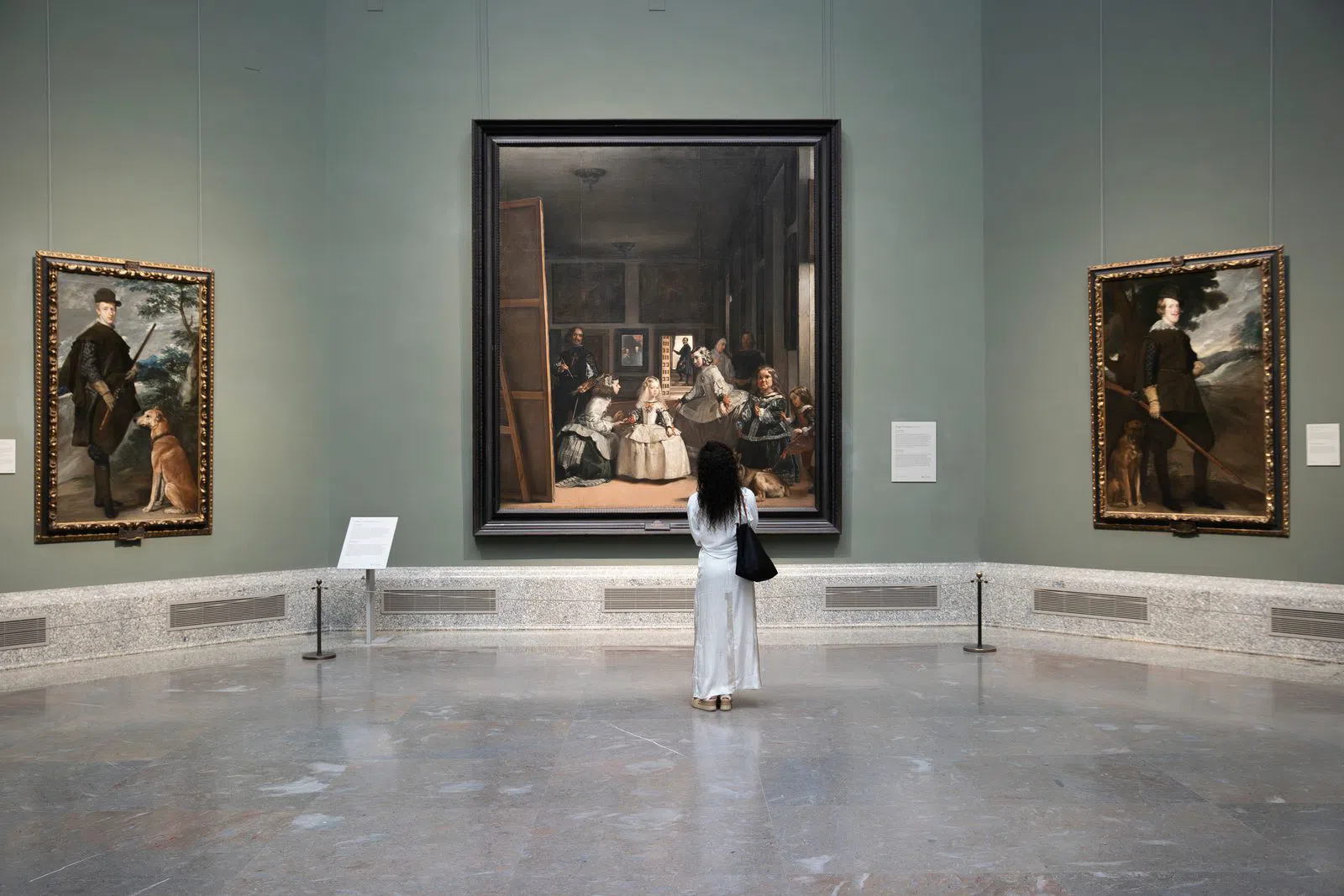
Museo Nacional del Prado (Paseo del Prado, Jerónimos) has been open to the public since 1819 and is the anchor of most Madrid trips. General admission is €15. The free evening window (Monday to Saturday 18:00-20:00, Sunday 17:00-19:00) must be reserved in advance, and the queue for it runs 60 to 90 minutes; with a group that means an hour on the pavement followed by a compressed hour inside. A paid morning slot is the calmer purchase. The museum is also free all day on 12 October, which trades money for company. Groups are fine, but parties over ten have to book a group slot and use audio-guide whisper sets.
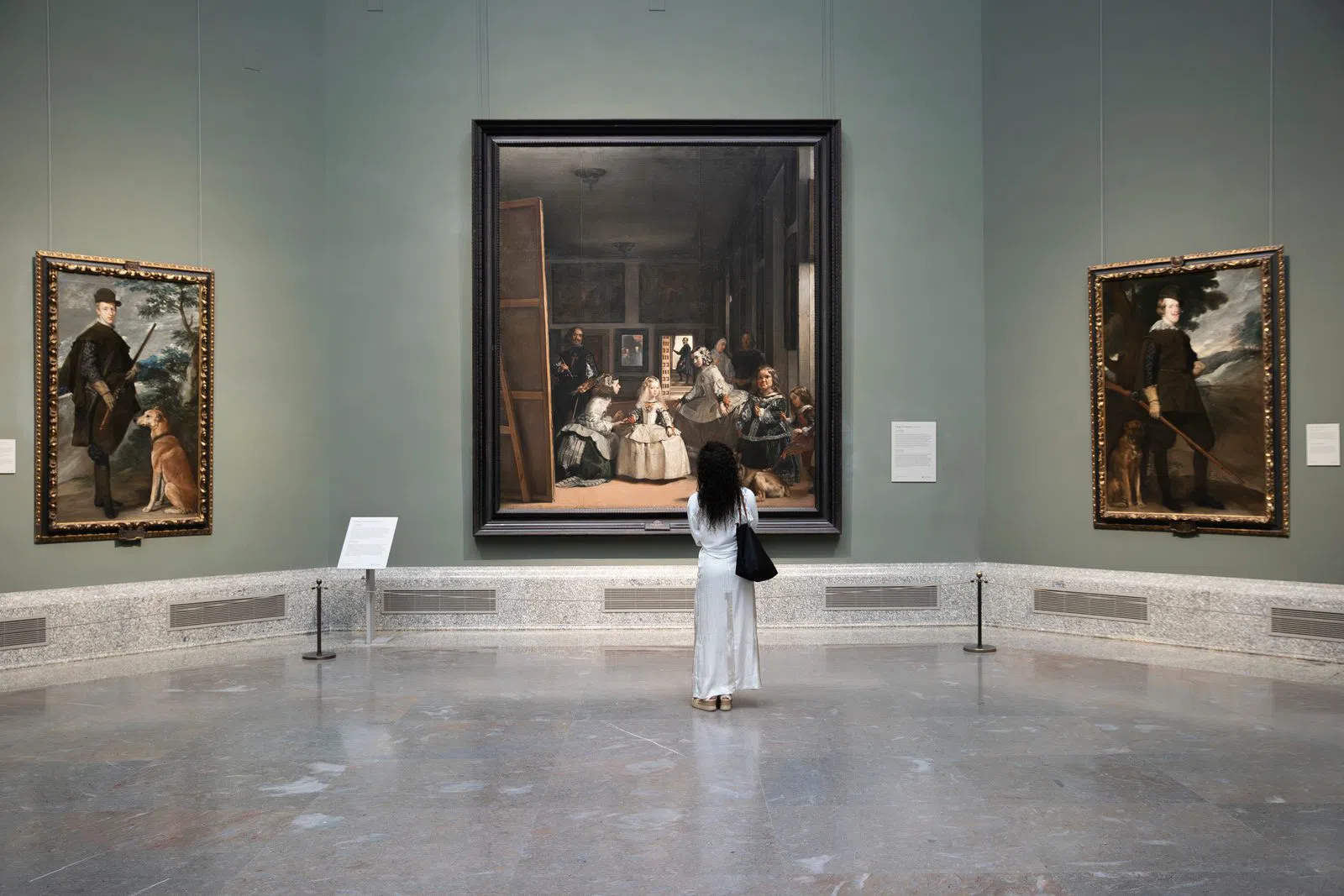
Museo Nacional Centro de Arte Reina Sofía (Santa Isabel, at the Atocha end of the Paseo) occupies an eighteenth-century hospital building and holds Guernica, which on its own justifies the €12 ticket. Its free evening window (Monday and Wednesday to Saturday 19:00-21:00, plus Sunday 12:30-14:30) is far more workable than the Prado's, partly because the building is enormous. The Guernica room is capacity-controlled, so a large party will be split at the door and reassembled afterwards; guided groups need to book ahead.
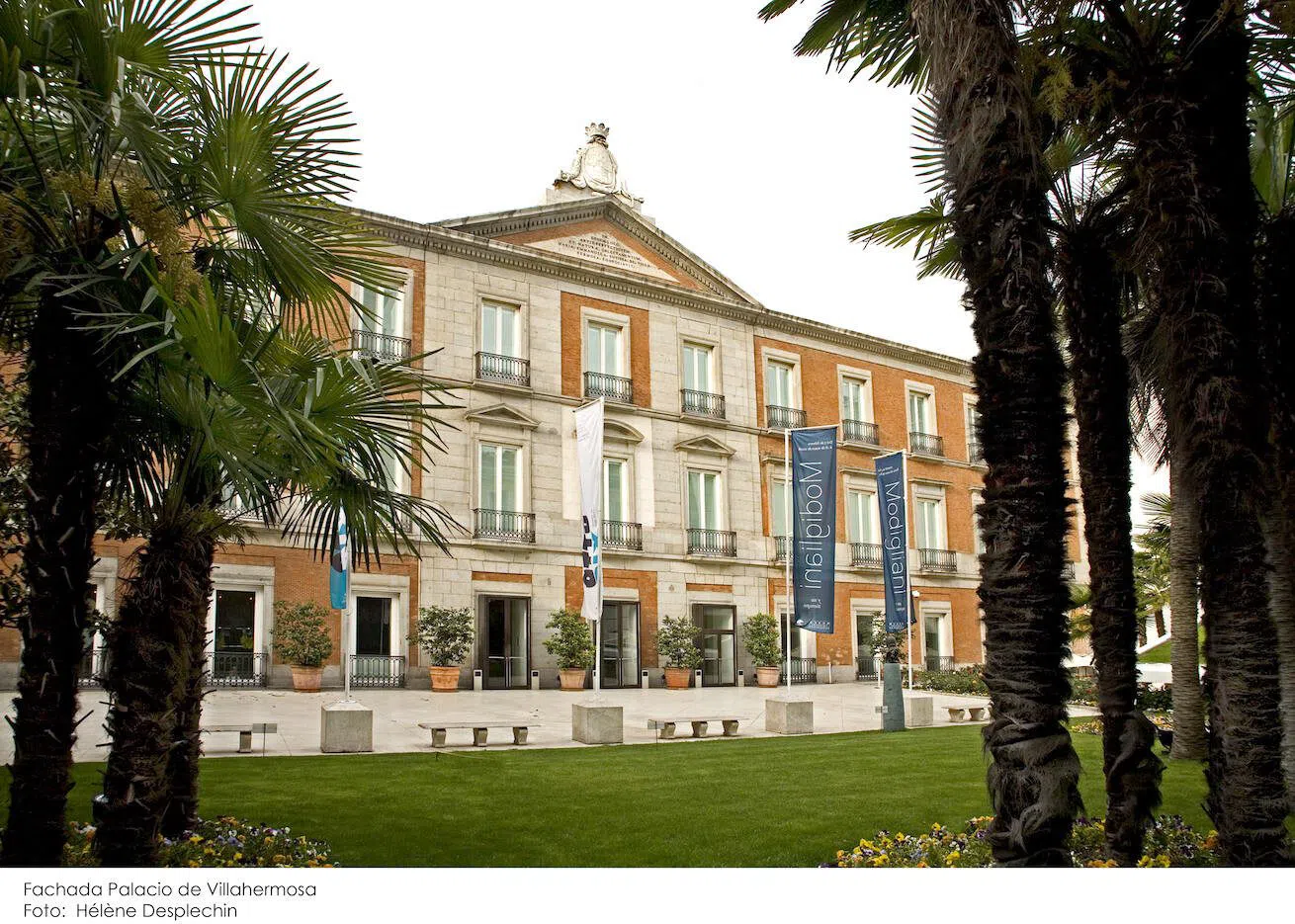
Museo Nacional Thyssen-Bornemisza (Palacio de Villahermosa, across the avenue from the Prado) fills the gap the other two leave, running from early Italian panels to the twentieth century. Standard admission is €14, free on Mondays 12:00-16:00 and on Saturdays 21:00-23:00 for the late Thyssen Nights opening. October 2026 is a busy month here: a loan show from the Mauritshuis opens on 6 October and a Dalí exhibition on 9 October, both included in the standard ticket. Ground-floor temporary shows are timed-entry with limited capacity, so book a slot for each person rather than turning up as a party of eight.
Two gardens and an early dusk
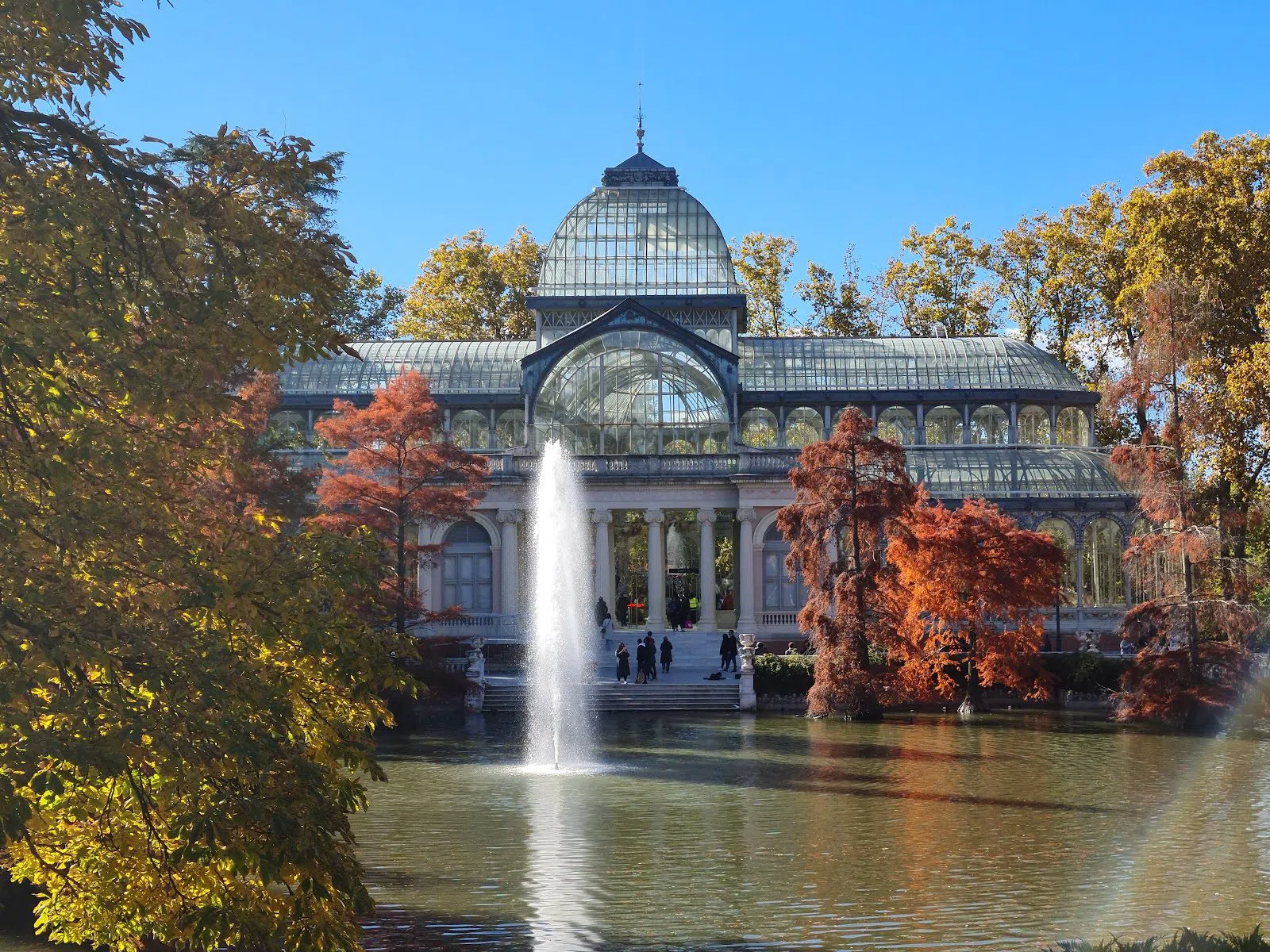
Parque del Retiro (Retiro) is where the season is most visible. Walk in from the Puerta de Alcalá gate, follow the pond, and take the path south to the Palacio de Cristal, the 1887 glasshouse built to shelter plants from the Philippines and now used for free installations programmed by the Reina Sofía. Entry costs nothing and there is no door policy; a popular installation produces a short, orderly queue. October's catch is the closing time: the glasshouse shuts at sunset, around 18:00, not the 22:00 of high summer, and after the clocks change it is earlier still. Aim for the middle of the afternoon.
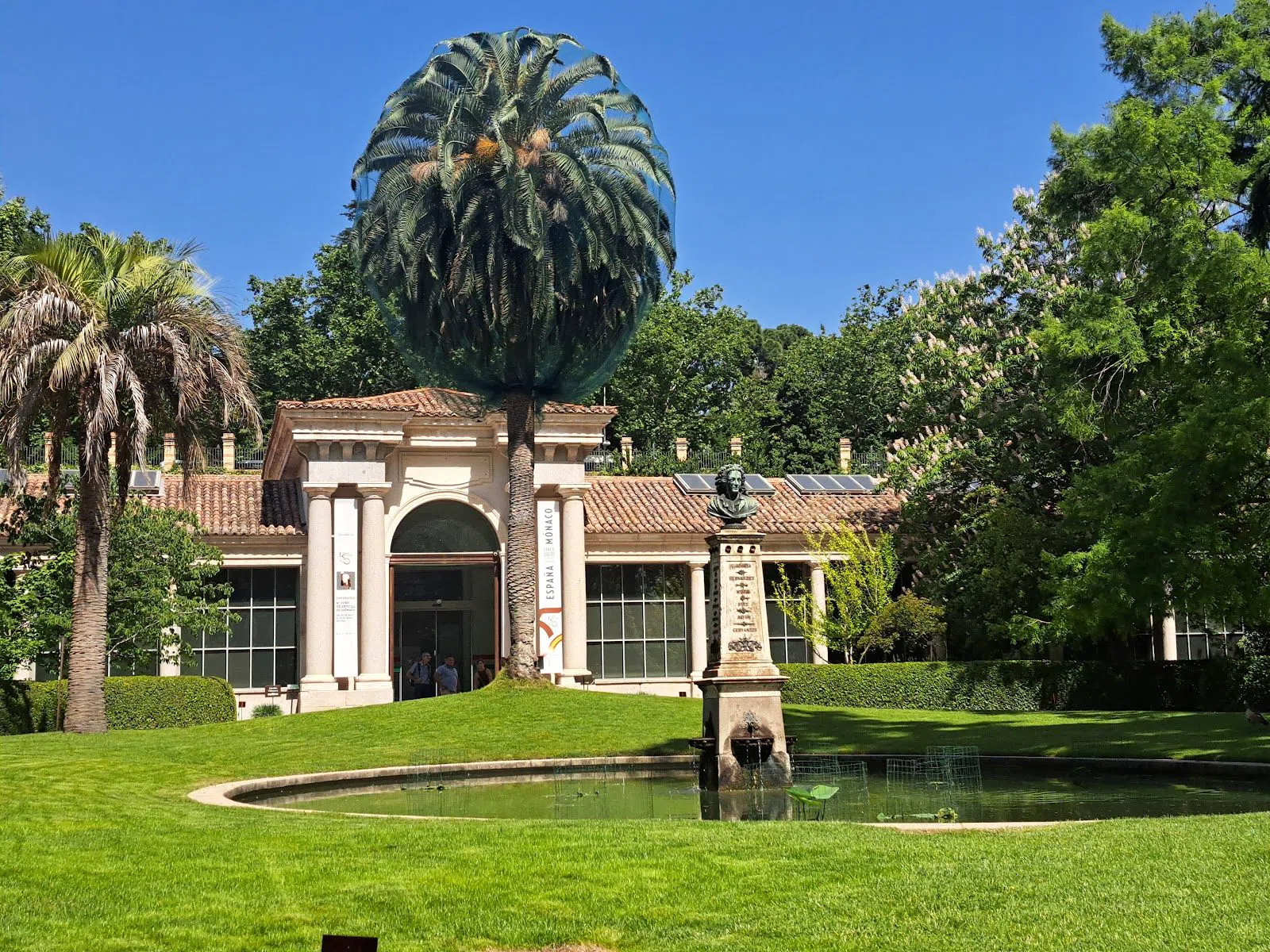
Real Jardín Botánico de Madrid (Plaza de Murillo, directly beside the Prado) moved to this site in 1781 and is the quieter of the two green spaces by a wide margin: you can leave the Prado's south door and be among the terraces in two minutes. It costs €6, and is free on Tuesdays 10:00-13:00. The stepped terraces absorb numbers well, so it suits a group that has run out of patience for galleries; guided group visits can be booked in advance.
Where to go for the long view
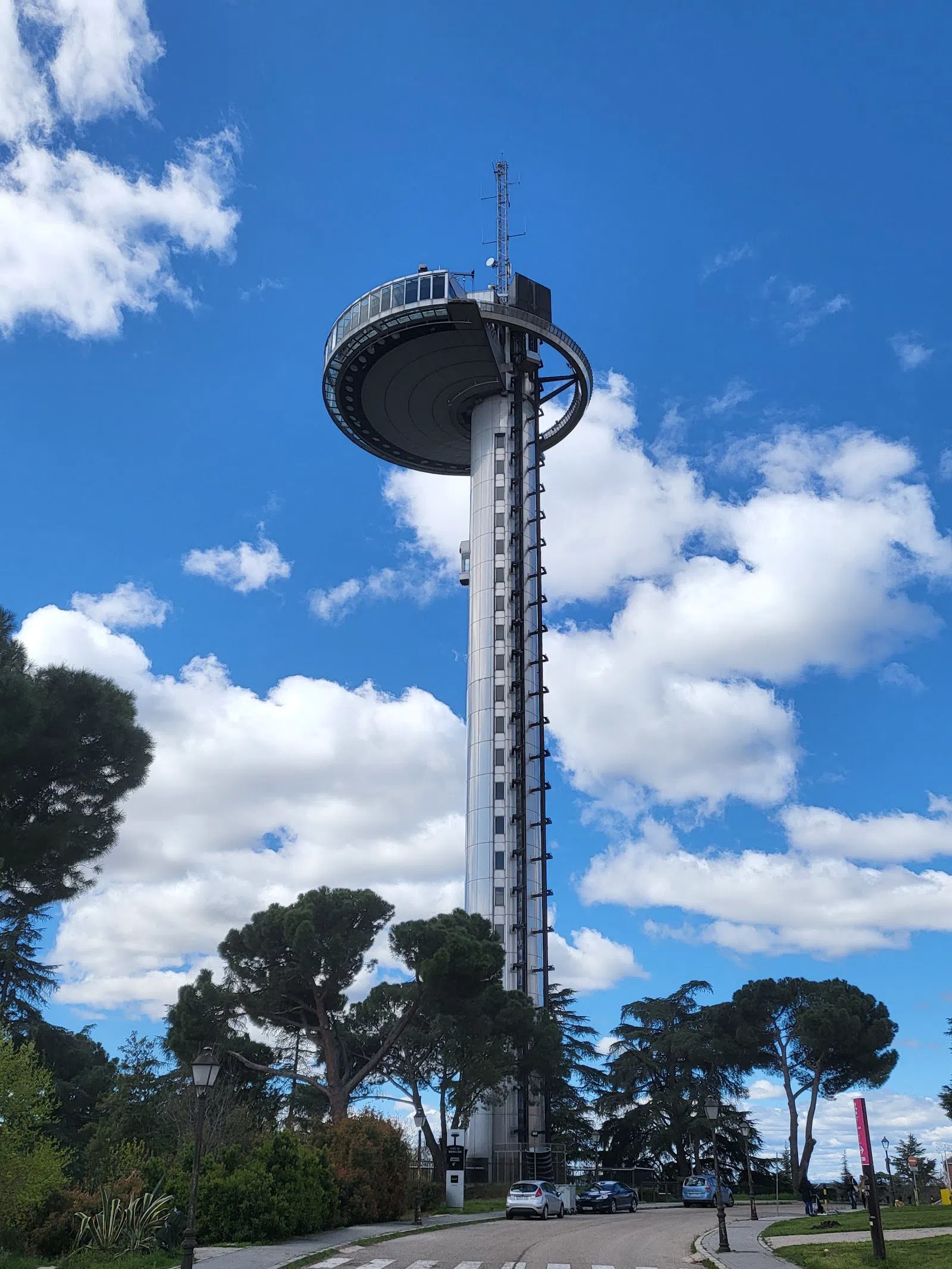
Faro de Moncloa (Moncloa, above the metro station) is a 1992 communications tower with an observation deck, and at €4 it is the cheapest way to see how the city sits in its landscape. October's clearer air brings out the Guadarrama ridge to the north-west, which August haze usually swallows. Tickets are tied to a specific hour and the deck is small, so a group should book consecutive slots rather than arriving together. It closes on Mondays except on public holidays, so it does open on Monday 12 October 2026, and it shuts in bad weather, which is worth leaving flexible in your plans.
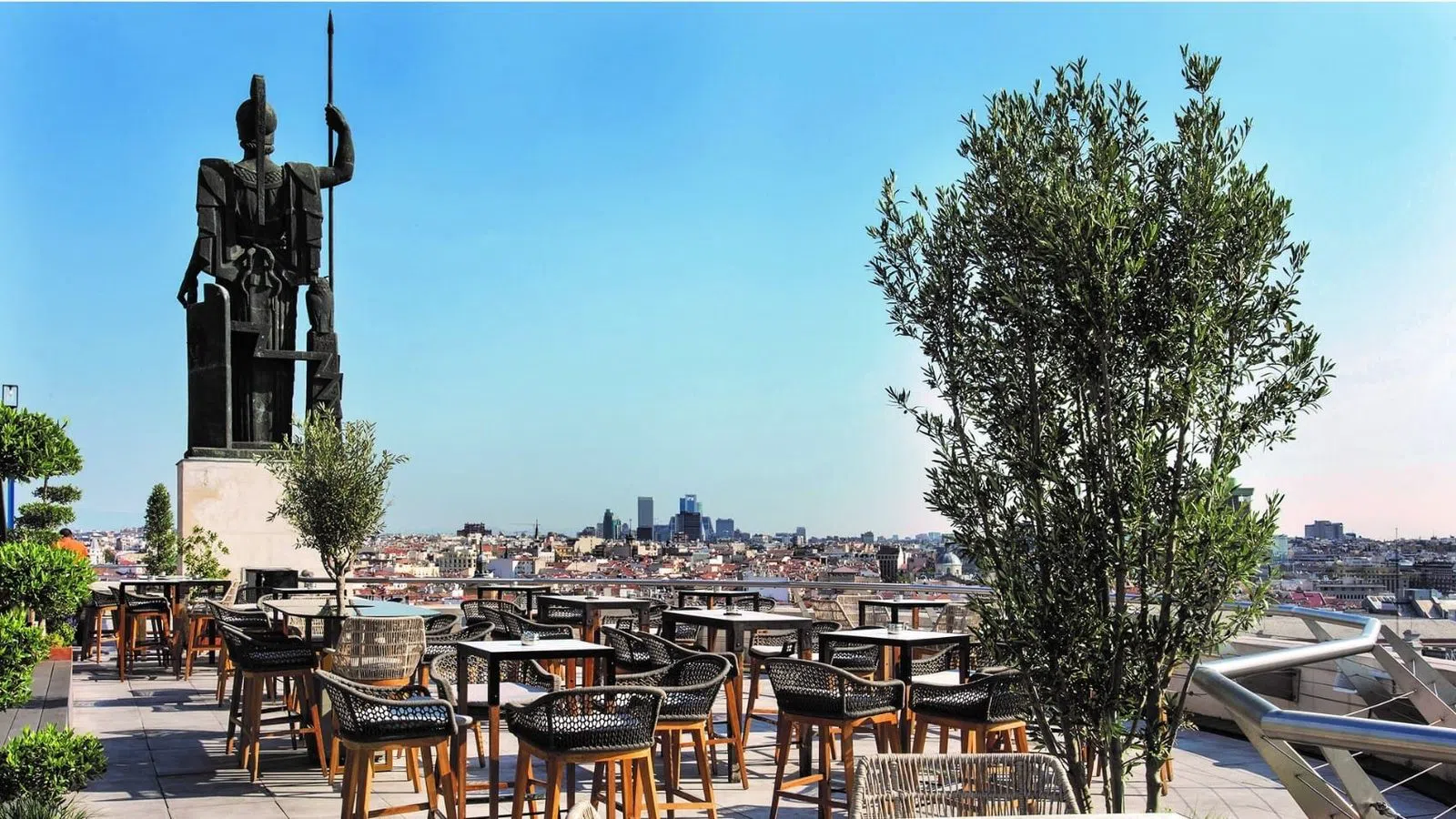
Azotea del Círculo de Bellas Artes (Alcalá, on the corner with Gran Vía) is the rooftop of Antonio Palacios's 1926 arts club, reached by a ticketed lift for about €5, with drinks at €10-16. Most of Madrid's rooftops are a summer proposition; this one runs year-round with heaters, which is why it works on a cool October night. Walk-in groups are allowed at the bar, but a larger party is better off booking a table in the rooftop restaurant, where mains run €20-30 and the entry fee is waived. The reason to come is the sightline straight down Gran Vía as the lights come on.
The food that waits for the cold
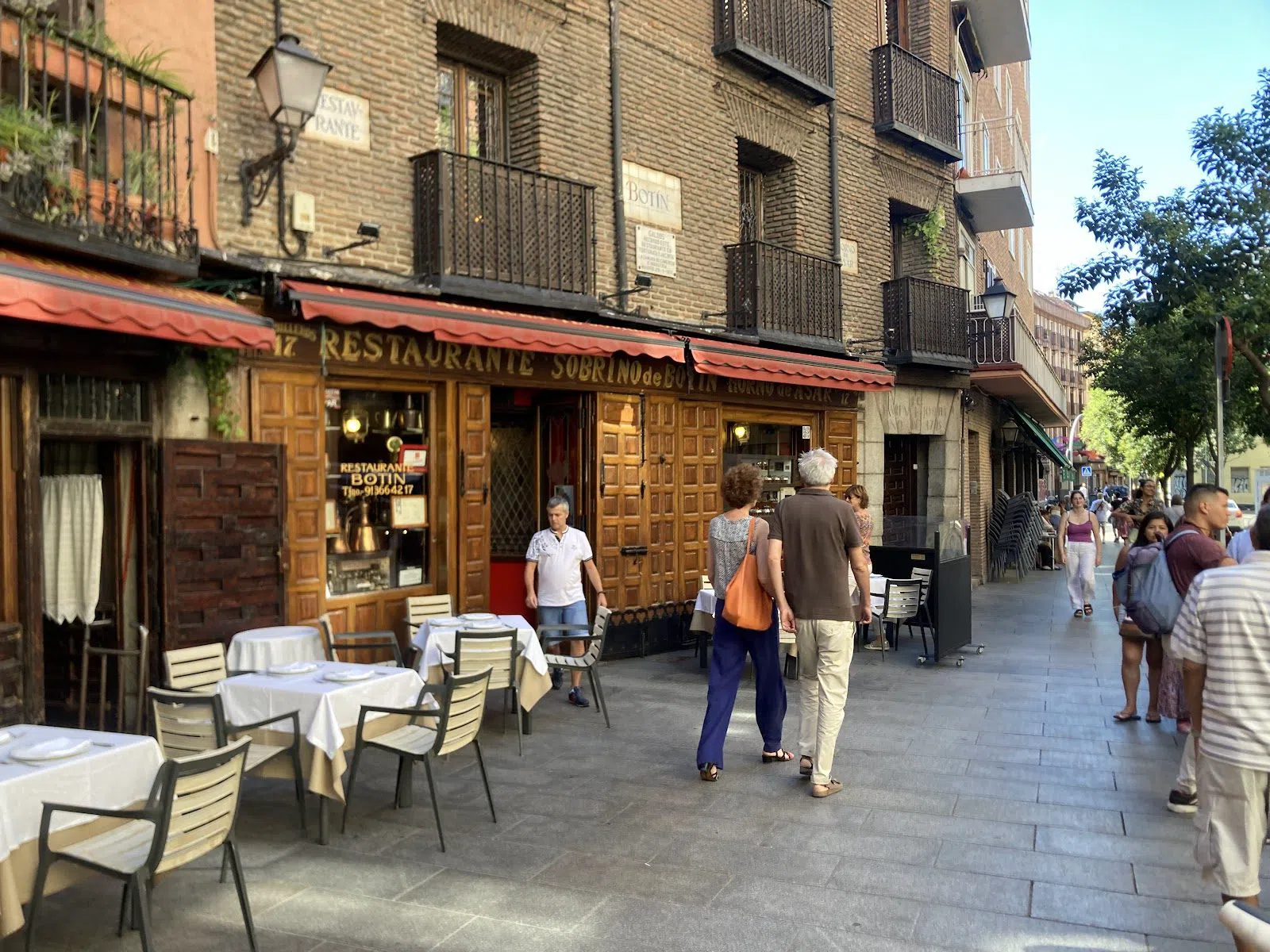
Sobrino de Botín (Cuchilleros, off Plaza Mayor) is recognised by Guinness as the oldest restaurant in the world, turned 300 in 2025, and still roasts in the same wood-fired oven. Expect €50-70 a head for the cochinillo, heavy, fatty food that makes sense once the temperature drops. There are private rooms across several floors, but the vaulted cellars are tight: book weeks ahead for anything over six, and be honest with yourself about whether your group wants a two-hour roast.
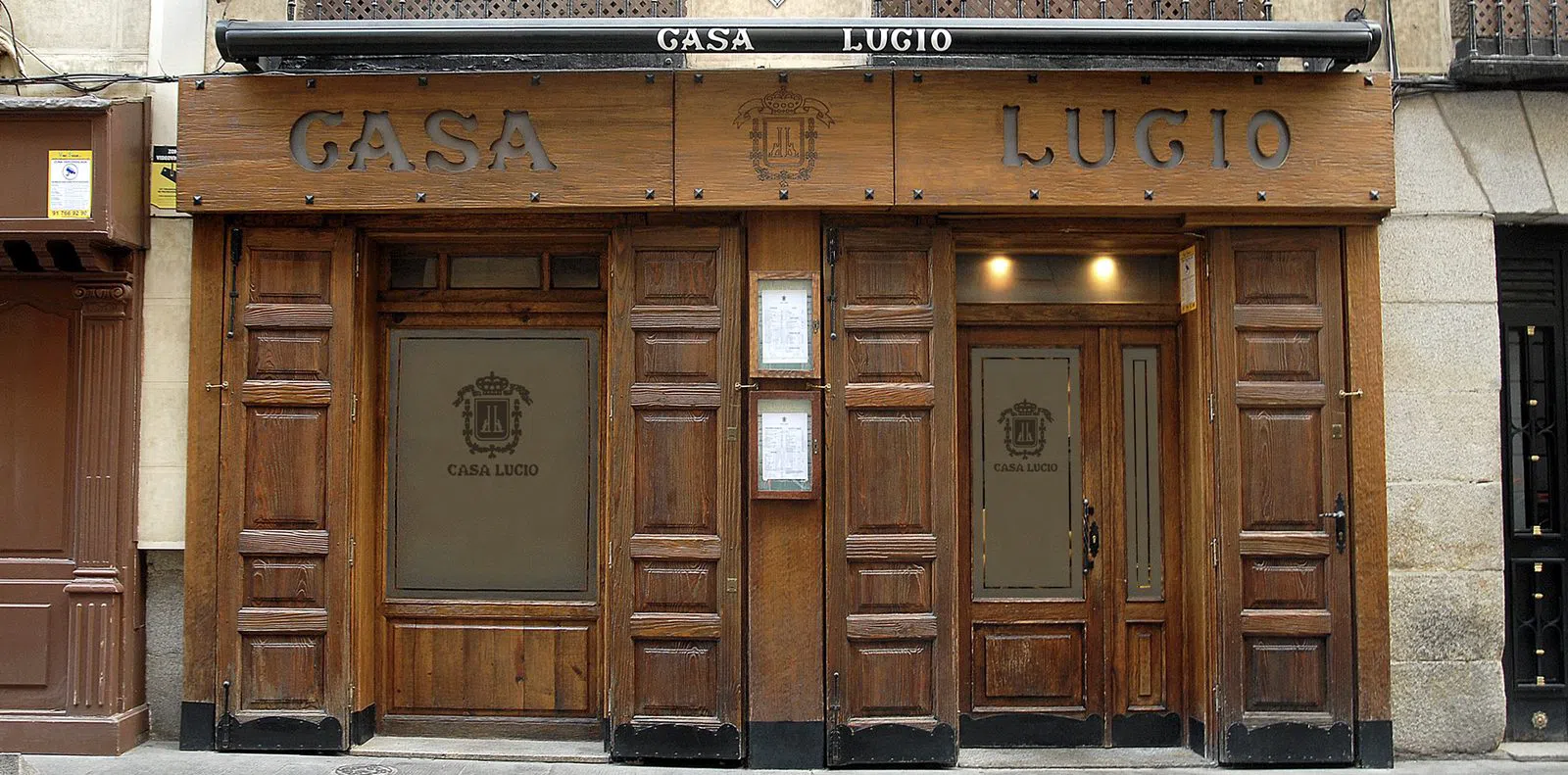
Casa Lucio (Cava Baja, La Latina) is the reference point for huevos rotos (eggs broken over potatoes fried slowly in olive oil) and costs €45-60 a head once you have added jamón and a bottle. It closes on Mondays and on Sunday evenings, and it shuts for the whole of August, so for a great many visitors it is an autumn-onwards pleasure. Groups are taken by phone or WhatsApp; the rooms are small and split over levels, so a party of ten will be seated in two places.
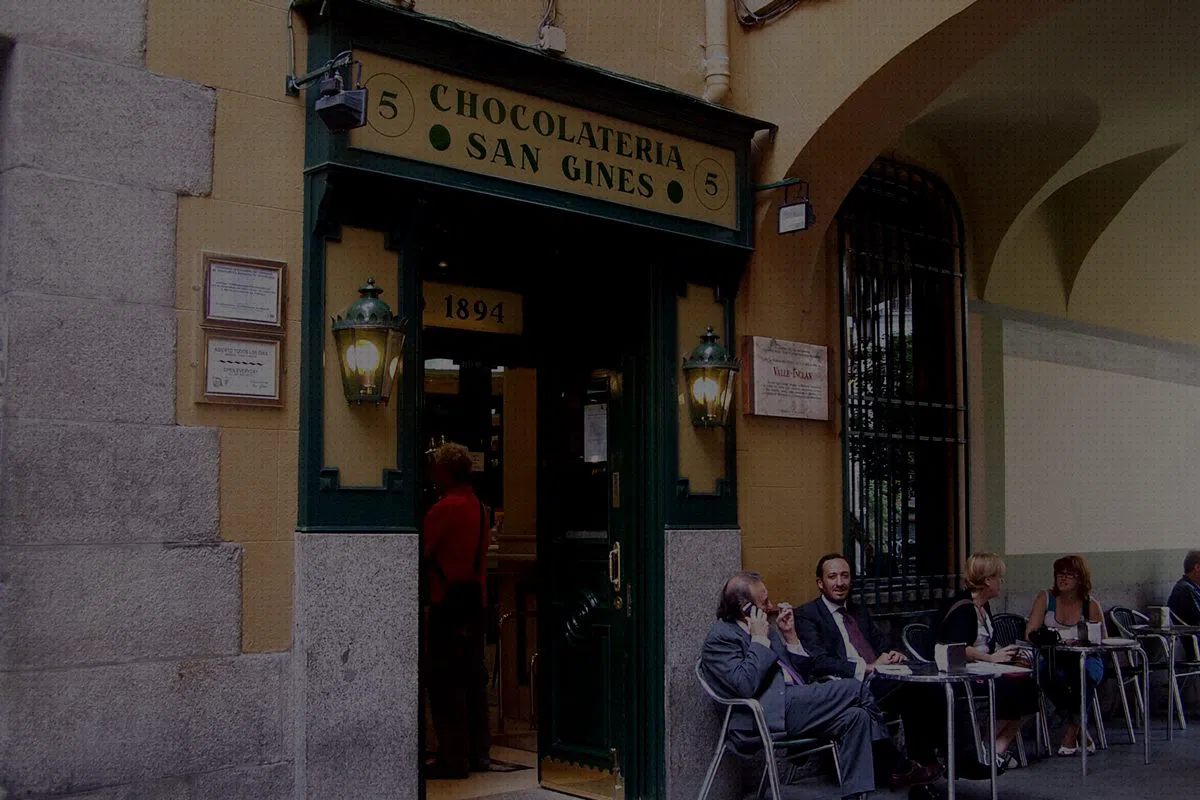
Chocolatería San Ginés (Pasadizo de San Ginés, off Calle Arenal) has been pouring thick chocolate since 1894 and costs €6-8 for chocolate con churros. There are no reservations and no door policy; everyone queues, groups included. It is open around the clock from Thursday to Saturday and until roughly 23:30 on other nights, and the sensible move is late, after an evening in the Barrio de las Letras, when the queue has thinned and the cold gives the chocolate its point.
Sunday morning and the market halls
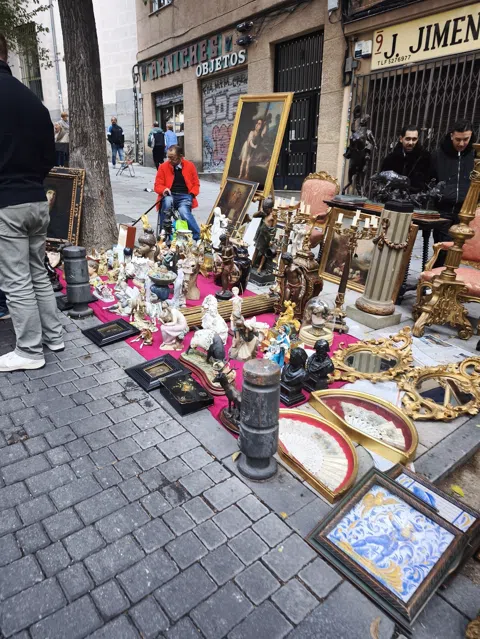
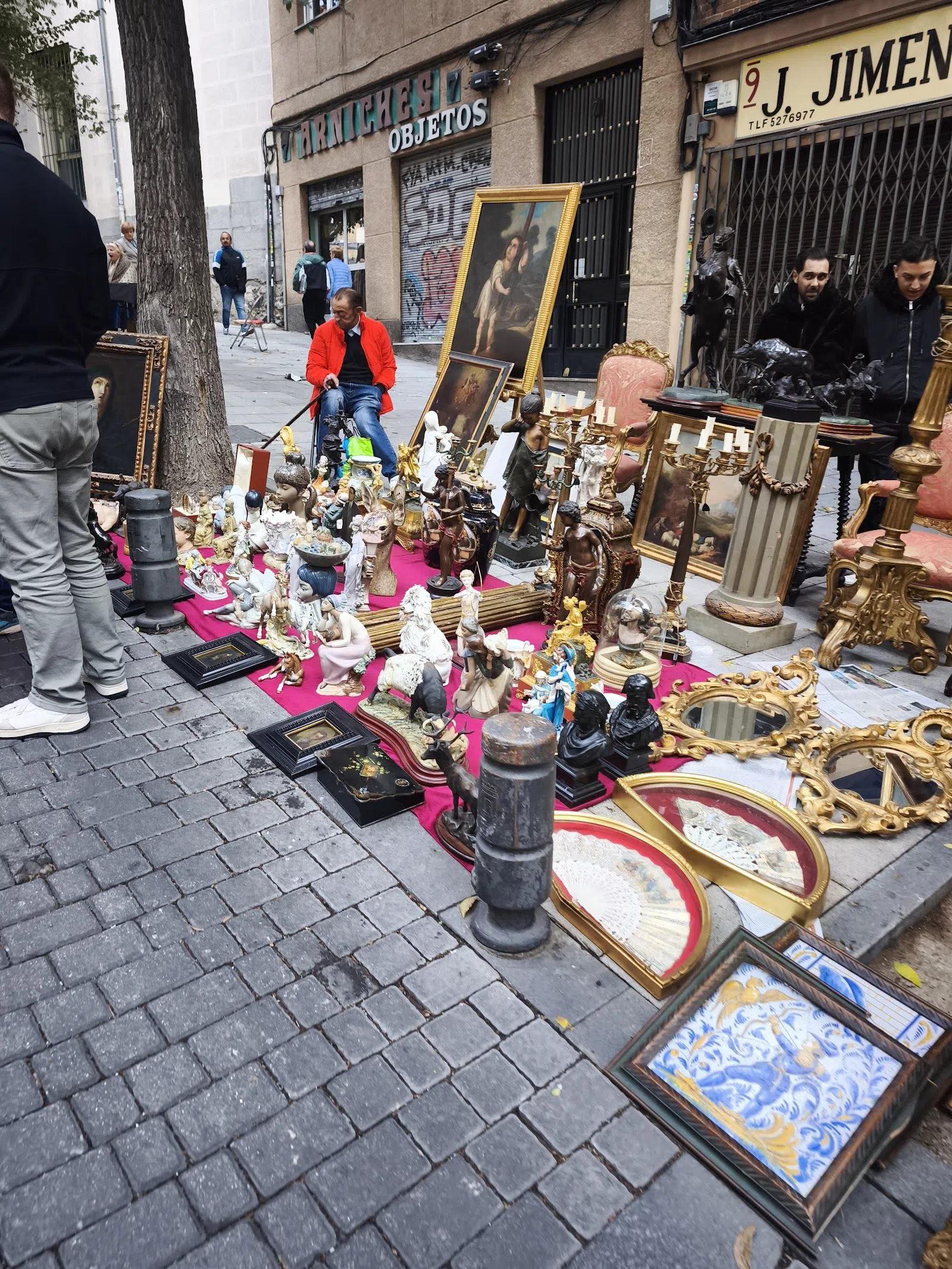
El Rastro (Ribera de Curtidores, between La Latina and Embajadores) runs on Sundays and public holidays only, 09:00-15:00, and costs nothing to browse. Arrive by 10:00: between 11:00 and 13:00 the streets compress to a shuffle and pickpockets work the crush, so a group should agree a meeting point before splitting up. The market itself is a mix of genuine antiques, clothing stalls and junk, but the local habit is to leave by midday and move into the vermouth bars of La Latina, which is how a Madrid Sunday usually goes.
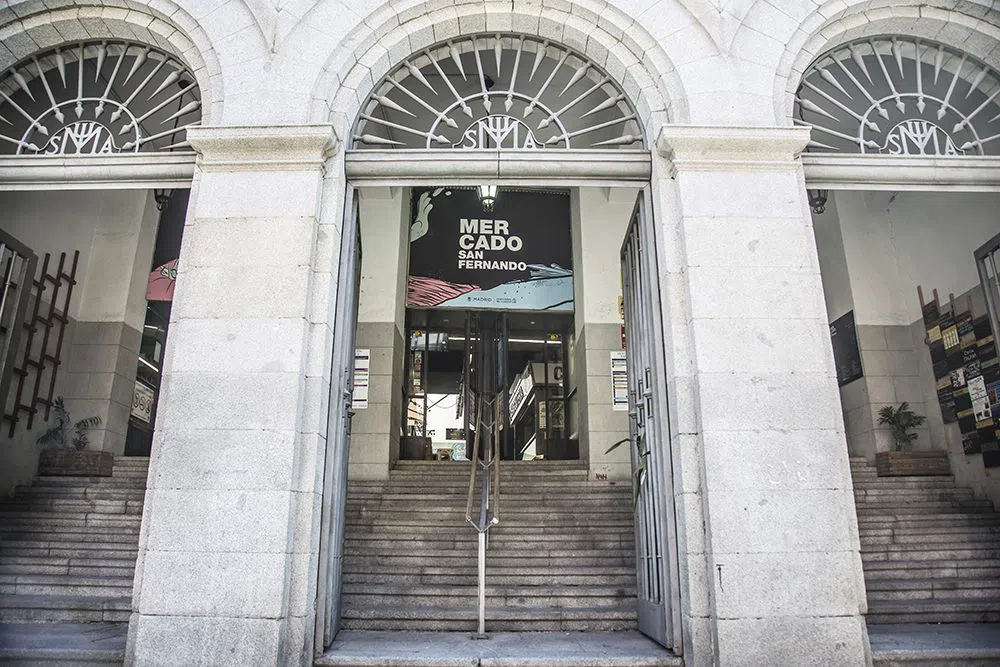
Mercado de San Fernando (Calle de Embajadores, Lavapiés) is a 1940s market hall that has become the everyday counterpart to the polished central markets: stand-up counters, shared tables, plates at €3-6 and beers at €2.50-4. Nothing is bookable and nobody minds a group arriving; the trade-off is that the smaller stalls sell what they have and stop. The hall runs roughly 09:00 to 18:00, with the bars going later, and hours vary stall by stall. It is the natural end point of a walk through Lavapiés.
Evenings you need a ticket for
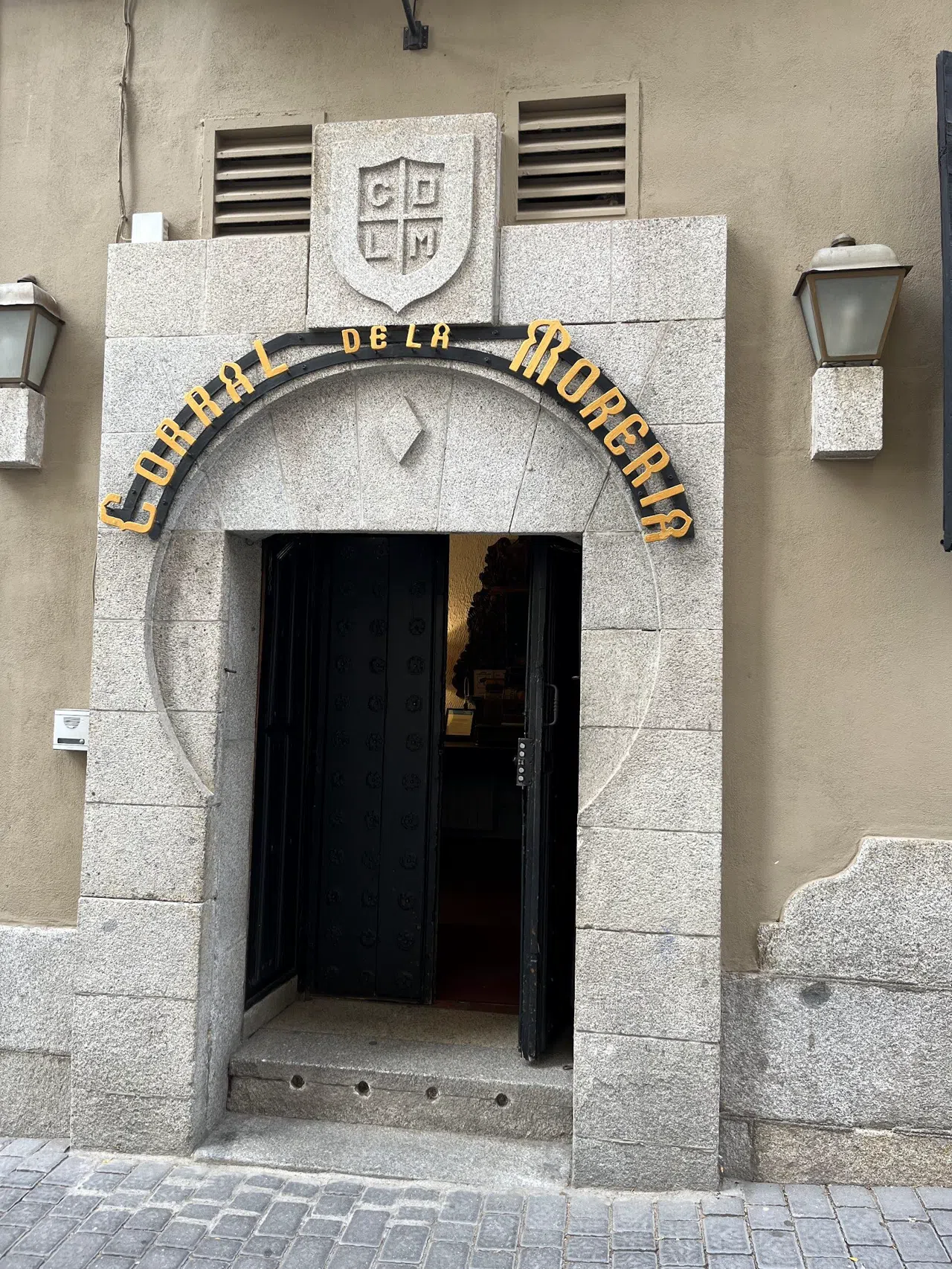
Corral de la Morería (Calle de la Morería, La Latina) has staged flamenco since 1956, and its eight-seat gastronomic room holds a Michelin star in the 2026 guide, unusual for a tablao and a fair signal of the standard on the stage. Shows are nightly at €95 for the performance alone, with dinner-and-show packages costing considerably more. No children under seven. Parties larger than the online booking limit are handled by email, which is worth doing early for a weekend.


Matadero Madrid (Legazpi, Arganzuela) is the old municipal slaughterhouse turned arts centre, and most of its brick naves are free to enter with no door policy, useful for a large group with mixed interests. It closes on Mondays. Through October, Carlos Aires's site-specific dancefloor piece occupies Nave 0, part of a run from 11 September to 24 January, and Nave 10 carries a ticketed theatre programme.
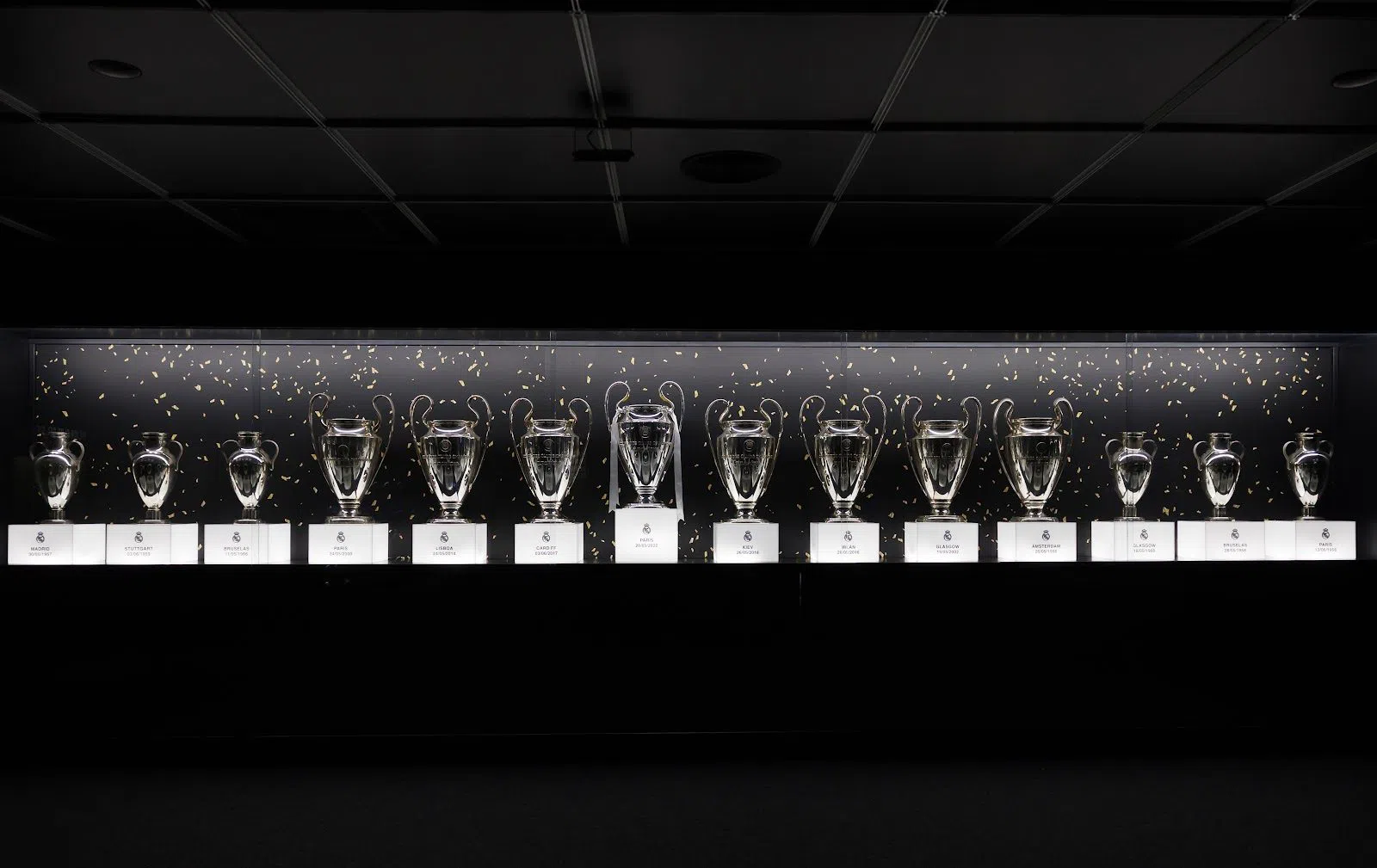
Tour Bernabéu (Paseo de la Castellana, Chamartín) reopened as a different product after the €1.76bn rebuild finished in 2024, and self-guided entry costs €25-37, with guided premium tours above that. It is built for volume, so groups are straightforward. It closes on match days. Since October falls mid-season, checking the fixture list may hand you the better option: a league or Champions League night in the stadium itself.
Thirty-three minutes to Toledo
The Avant service from Toledo (Renfe Avant from Madrid-Puerta de Atocha) takes thirty-three minutes and costs €13.90 each way, or roughly €25-30 return. In August the walled town is punishing; in October it is the easiest day out from the capital. Trains carry any group size if booked together, but weekend seats sell out days ahead, so buy before you travel rather than at the machine. The station sits about 1.5 km below the old town: a steep walk up, or a shuttle bus that meets most arrivals. The cathedral and the Alcázar both admit groups on timed tickets. Take the earliest train that suits you and you are back in Madrid for a 21:00 dinner without hurrying.

Getting around, paying, and what it costs
The metro runs from about 06:00 to 01:30, and a single ride in the central zone costs a little under €2. Buy a rechargeable multi-journey card on arrival (there is a small one-off charge for the card itself) and add the €3 supplement if you are travelling to or from the airport stations. Much of what is above sits inside a walkable core: Prado to Sol to Plaza Mayor to La Latina is under half an hour on foot, and October is the month to do it rather than descend underground.
Cards work almost everywhere, taxis included, but carry €20-40 in small notes and coins for the Rastro, market stalls and the San Ginés queue. Eat on local time, lunch from 14:00 and dinner from 21:00, and note that a table before 21:00 is far easier to get for a party of eight than one at 22:00. Sunday evenings and Mondays are when a surprising number of kitchens rest, so put your museum days there. A reasonable daily budget: €12-15 for a museum, €10-15 for a market lunch, €10-16 for a rooftop drink, and either €25 in a tavern or €45-70 at one of the classic dining rooms. Flamenco at the top end is a separate €95 decision.
For where to sleep, the Paseo del Prado and Barrio de las Letras put you inside walking distance of nearly everything here, while Lavapiés and La Latina trade a little quiet for better local eating. Compare rates on Madrid hotel search. Anything on neighbourhoods, transport passes and the rest of the year is in the full Madrid guide.
Before you go
What is the weather like in Madrid in October?
Afternoons usually sit in the low twenties Celsius early in the month and drift into the mid-teens by the end of it, with nights dropping into single figures. It is one of Madrid's wetter months, though rain tends to pass within a morning. Bring layers and one warm piece for rooftops after dark.
Is 12 October a good day to visit Madrid's museums?
It is Spain's national day, so timetables shift. The Prado is free all day and correspondingly busy; the Faro de Moncloa, normally shut on Mondays, opens because it is a public holiday; and El Rastro runs its Sunday-and-holiday hours. Expect crowds and plan the day around them.
Should I use the Prado's free evening slot?
Only if you are alone or in a pair, and patient. The free window (Monday to Saturday 18:00 to 20:00, Sunday 17:00 to 19:00) must be reserved, and the queue runs 60 to 90 minutes, which eats most of the two hours. A paid €15 morning slot gives you a calmer building and a full run at the collection.
Is Toledo a realistic day trip from Madrid in October?
Yes. The Renfe Avant from Madrid-Puerta de Atocha takes thirty-three minutes and costs €13.90 each way, about €25 to €30 return. Book ahead for weekends, as seats sell out. The station is 1.5 km below the old town, with a steep walk up or a shuttle bus meeting most trains.
Can I take children to a flamenco show at Corral de la Morería?
Not under the age of seven; that is a firm door rule. Shows run nightly at €95 for the performance alone, with dinner packages costing considerably more. Groups larger than the online booking limit are arranged by email, worth doing well ahead for a weekend.