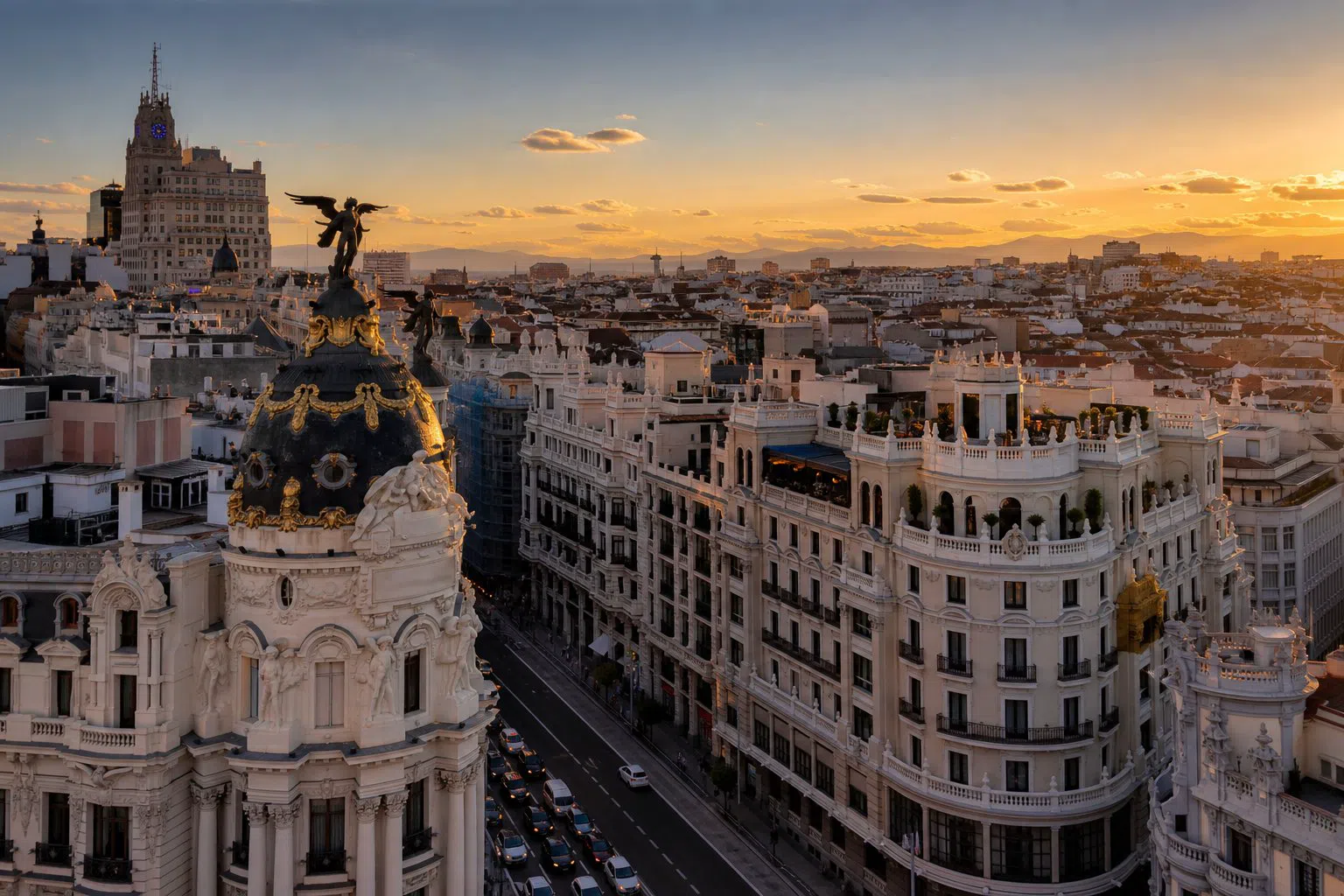
Madrid
Madrid does not ease you into its rhythm; it demands you match its late-night, high-energy pace from the moment you arrive.
Guests & rooms
The Madrid guide
An insider’s read on Madrid
MMadrid does not ease you into its rhythm; it demands you match its late-night, high-energy pace from the moment you arrive.
Madrid's identity is shaped by its transition from a modest Moorish fortress to the sudden, grand capital of a global empire under Philip II in 1561. This imperial legacy is written in the heavy stone of its Habsburg-era plazas and the monumental facades of the Bourbon dynasty. Yet, the modern character of the city was truly forged in the transition to democracy during the late 1970s and 1980s. The explosive cultural movement known as La Movida Madrileña left a permanent mark on the city, establishing a democratic, hedonistic nightlife and a fierce pride in local neighborhood life that persists today.
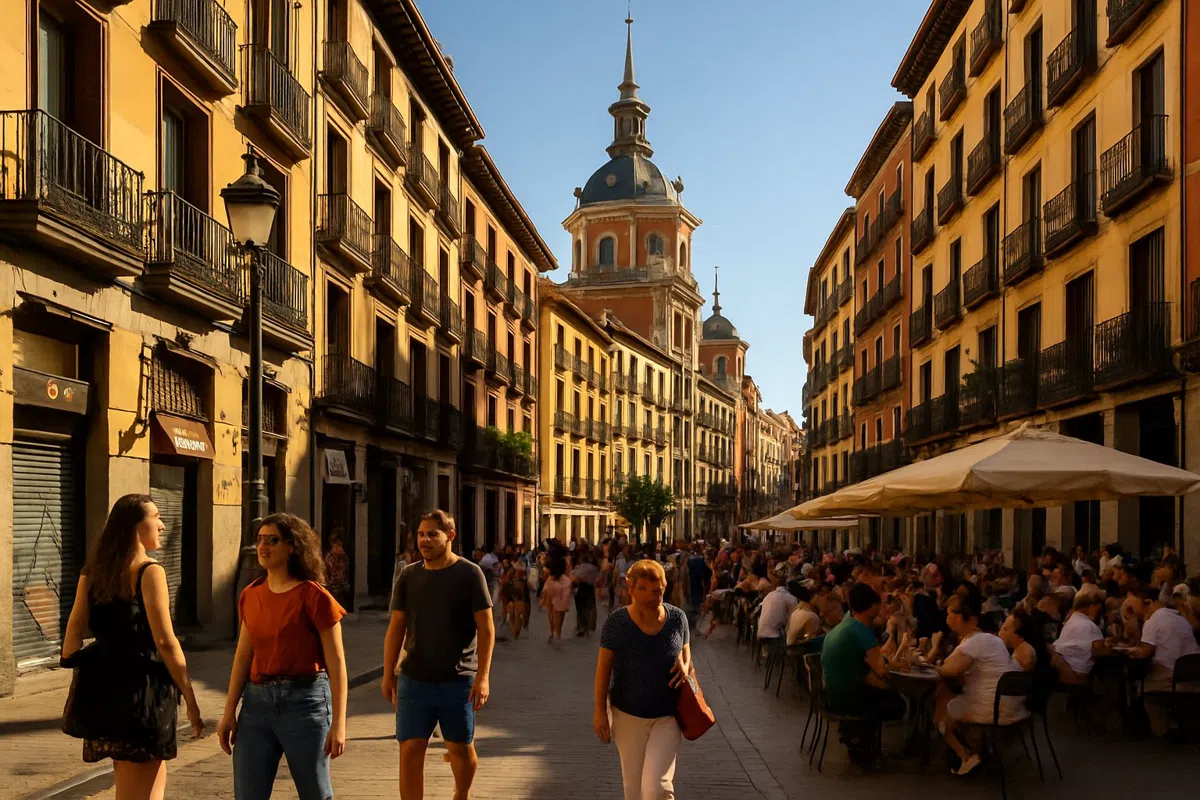
PLATE IMadrid, Spain
Guides & ideas
The Madrid reading list
Hand-written guides from our editors — itineraries, the best of after dark, where to eat, and what’s genuinely worth your time.
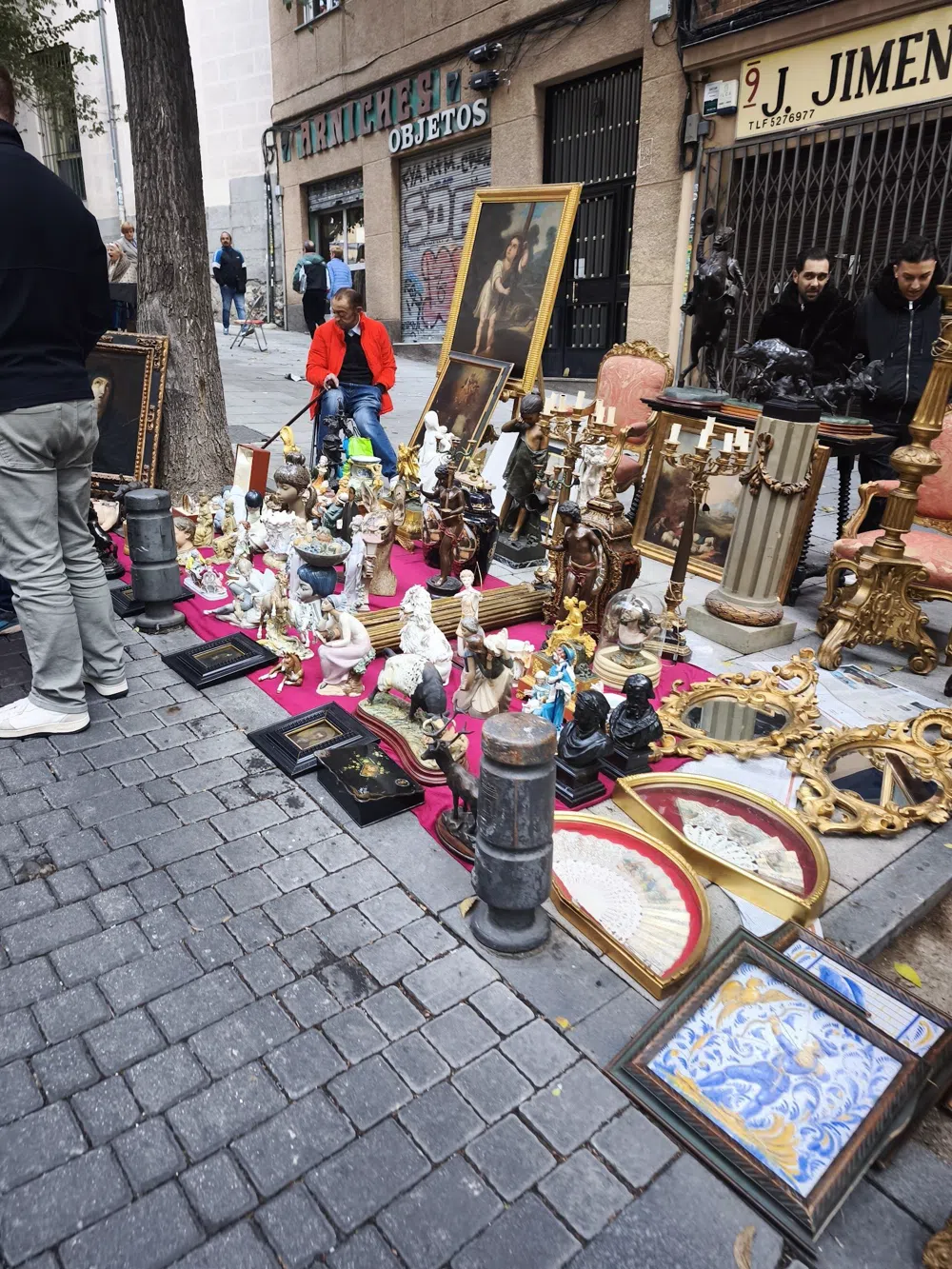
Madrid's Vintage Loop Over a Slow October Weekend
Two days on foot through Malasaña's shopfronts, a monthly market under a train shed and a Sunday morning at El Rastro, with hours, prices and how many people each room actually holds.

A Madrid Weekend That Ends at Shakira's 27 September Show
How to build three days in Madrid around a Sunday-night stadium concert nine kilometres south of the centre: museums, markets, flamenco and the ride home.
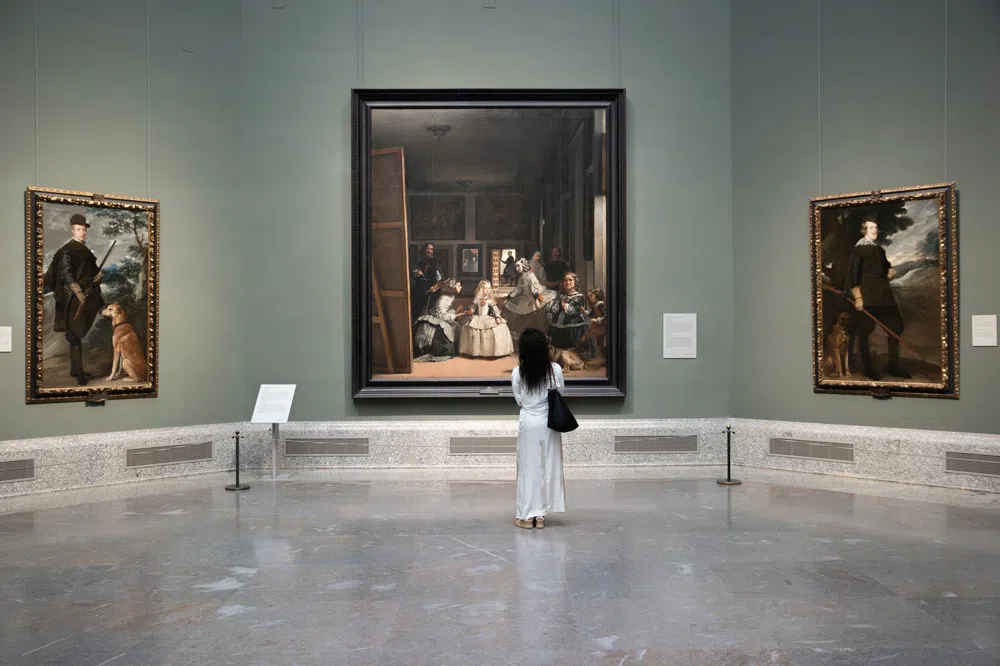
Madrid Comes Back in October When the Heat Lets Go
The August shutters come back up, the roasting ovens make sense again, and the city drops back to walking pace: how to use Madrid's mildest month, hour by hour.
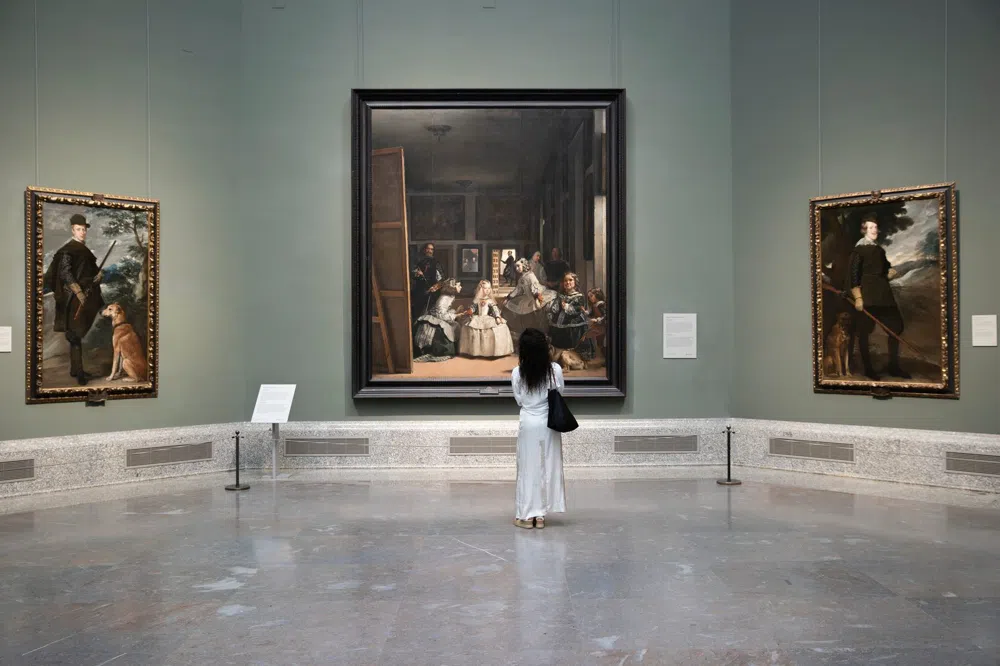
Surviving a Madrid August on Pools, Museums and Late Nights
The city does not slow down in August so much as change shift. Here is the timetable, with prices, opening hours and the places that are actually cool.
Day Trips from Madrid Worth Taking on a First Trip to Spain
Fast trains to walled towns, and royal gardens a short ride out, with the fares, ticket prices and timings you need to choose between them.
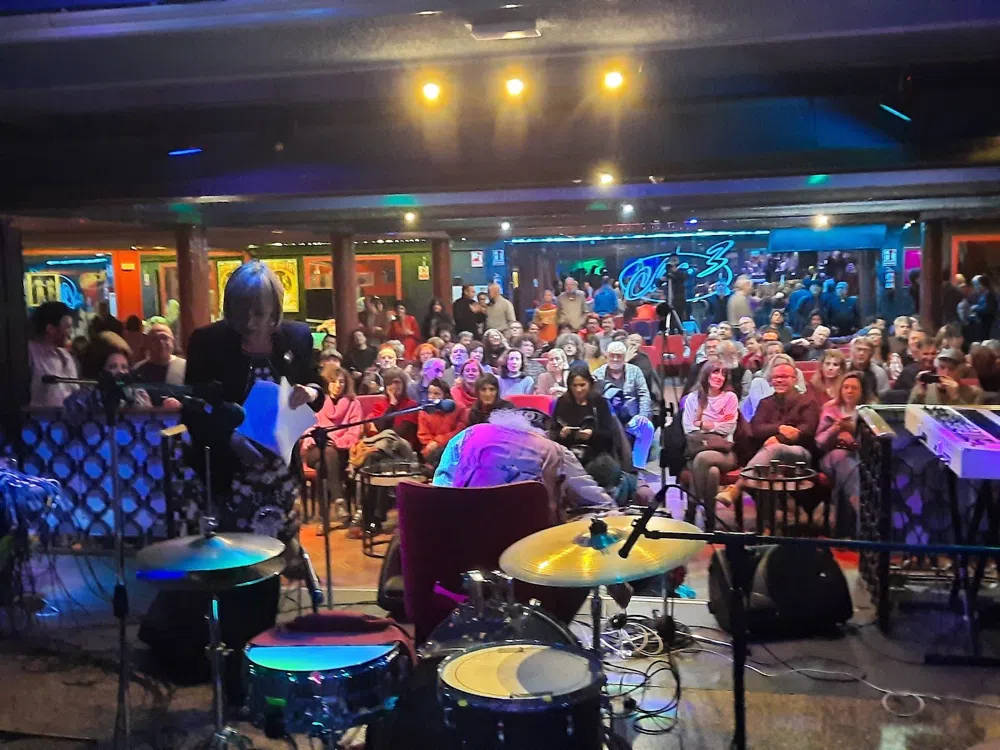
Where Madrid Still Dances the Chotis
The chotis is danced on a single floor tile, and Madrid still turns it out weekly: in mirrored ballrooms, at a free Lavapiés class, and in one August square with ten couples and a barrel organ.
Where to base yourself
The neighborhoods
01
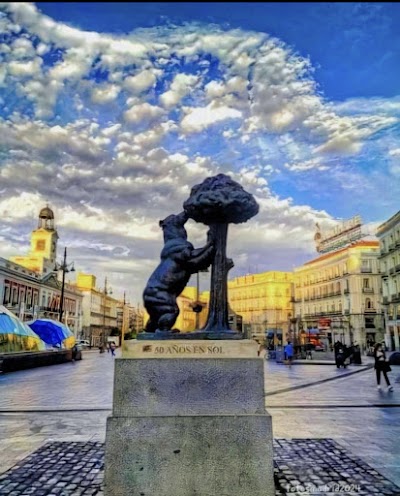
Centro (Sol & Gran Vía)
For First-time visitors who want to be within walking distance of everything, though the trade-off is constant noise, heavy crowds, and a high concentration of tourist traps.
The chaotic, high-energy geographic heart of the city, dominated by grand early-20th-century architecture, shopping crowds, and historic plazas.
Where to stay — Look for hotels tucked into the side streets off Gran Vía to escape the direct street noise while remaining central.
02
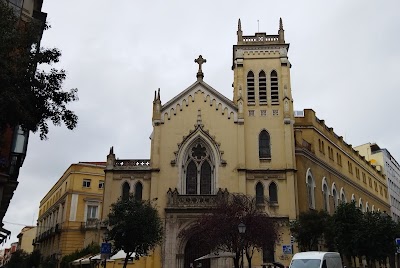
Malasaña
For Younger travelers and vintage shoppers. The trade-off is that the narrow streets can get exceptionally loud and gritty on Friday and Saturday nights.
The birthplace of La Movida Madrileña, now a creative hub filled with vintage clothing stores, indie coffee shops, and historic taverns.
Where to stay — Boutique apartments or design-forward hostels near Plaza de San Ildefonso.
03
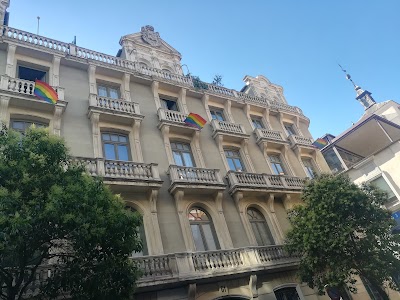
Chueca
For Design lovers and nightlife seekers who appreciate a tolerant, lively atmosphere. Trade-off: Accommodation prices tend to be higher here.
The city's famous LGBTQ+ district, known for its fashion-forward boutiques, lively plazas, and excellent dining scene.
Where to stay — Stylish boutique hotels housed in restored 19th-century residential buildings.
04
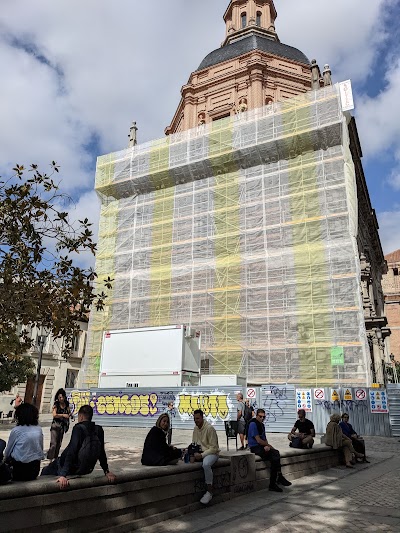
La Latina
For Food lovers and those seeking a historic atmosphere. Trade-off: The neighborhood becomes incredibly packed on Sundays due to the Rastro market.
A maze of narrow, medieval streets and historic plazas, famous for hosting the city's most traditional tapas crawls.
Where to stay — Traditional apartments with balconies overlooking quiet interior courtyards.
05
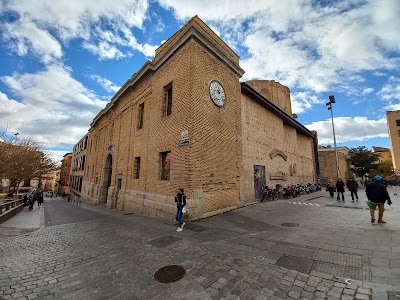
Lavapiés
For Budget travelers and art enthusiasts. Trade-off: It has a rougher, more unpolished edge than neighboring districts.
A multicultural, bohemian neighborhood where steep streets are lined with Indian restaurants, cultural centers, and street art.
Where to stay — Budget-friendly guesthouses and artistic apartments near the Reina Sofía museum.
06
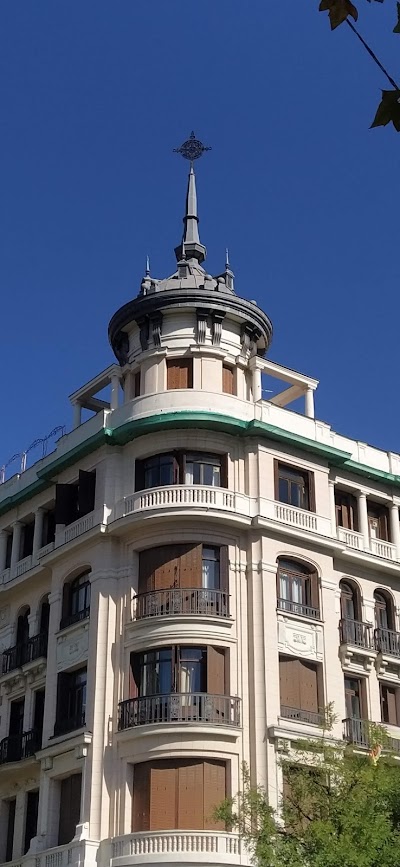
Salamanca
For Luxury travelers and shoppers who prefer a quiet, upscale environment. Trade-off: It lacks the bohemian character and street-level energy of the central barrios.
An elegant, grid-patterned district defined by wide boulevards, high-end designer boutiques, and Michelin-starred dining.
Where to stay — Five-star international hotels and refined boutique properties.
07
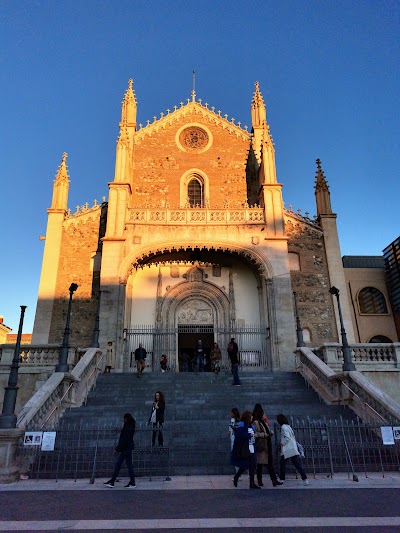
Retiro (Jerónimos)
For Families and travelers seeking peace, green space, and proximity to the major art museums. Trade-off: Very quiet at night with limited budget dining options.
A quiet, aristocratic neighborhood bordering the city's grandest park, defined by elegant 19th-century residential blocks.
Where to stay — Classic, grand hotels and upscale apartments near the park gates.
08
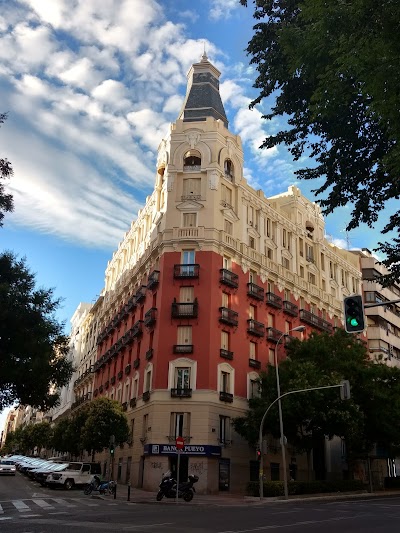
Chamberí
For Slow travelers and food enthusiasts who want to experience how locals actually live. Trade-off: It is a 20-30 minute walk from the main historic sights.
A traditional, upper-middle-class residential district that offers an authentic slice of local life, free from heavy tourist crowds.
Where to stay — Understated boutique hotels and residential apartment rentals.
09
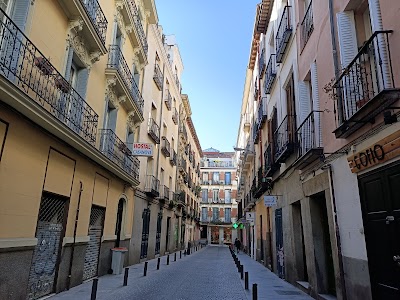
Huertas / Barrio de las Letras
For Culture lovers and walkers who want a central location with historic charm. Trade-off: Some streets can get noisy with late-night bar crowds.
The historic literary quarter, where golden-age writers once lived, characterized by pedestrianized streets and literary quotes paved into the ground.
Where to stay — Character-filled boutique hotels in restored historic buildings.
Book direct
Book a hotel in Madrid
Loading live availability and real-time prices…
Where to eat
Dining
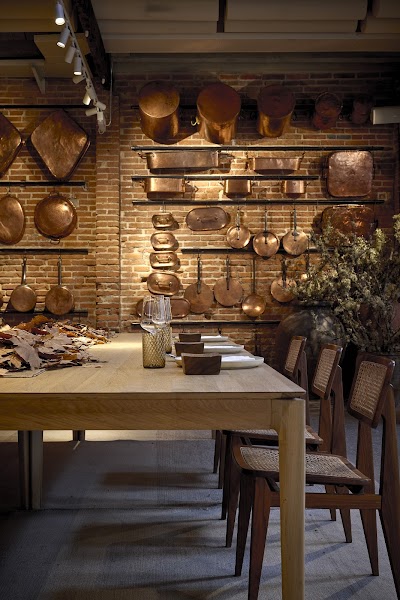
Desde 1911
€€€€Chamberí
A modern temple to seafood where the menu changes daily based on the absolute best catch available at the fish market that morning.
Signature — Wood-fired whole turbot
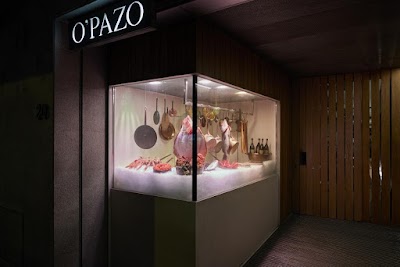
O'Pazo
€€€€Tetuán
A classic Galician institution that has been serving pristine, traditionally prepared seafood to the city's elite for decades.
Signature — Steamed spider crab (centollo)
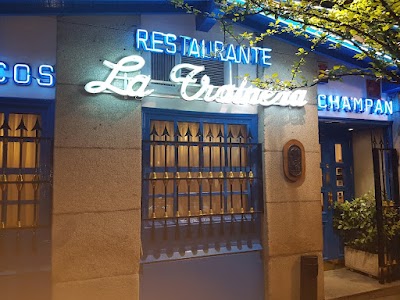
La Trainera
€€€€Salamanca
A traditional, maritime-themed dining room known for its uncompromising focus on ingredient quality and simple, perfect grilling techniques.
Signature — Grilled sole (lenguado a la plancha)
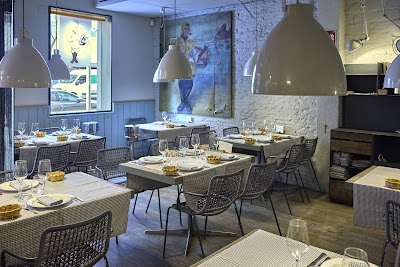
El Pescador
€€€Salamanca
A modernized classic from the same family behind O'Pazo, offering a lively raw bar and contemporary seafood dishes.
Signature — Scarlet shrimp (carabineros) cooked in sea salt
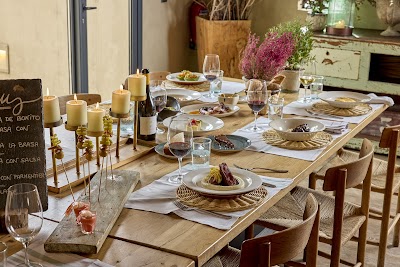
Filandón
€€€El Pardo
Located on the northern edge of the city, this country-style estate specializes in massive, wood-fired grills that impart a delicate smoke to fresh fish.
Signature — Grilled hake (merluza a la brasa)
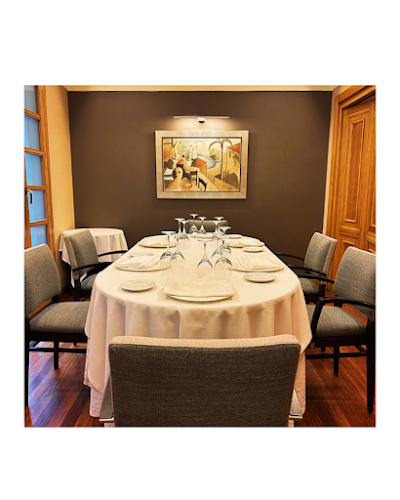
Rafa
€€€Retiro
An unassuming traditional tavern with an exceptional seafood counter where locals gather for pristine shellfish and cold beer.
Signature — Ensaladilla rusa topped with lobster
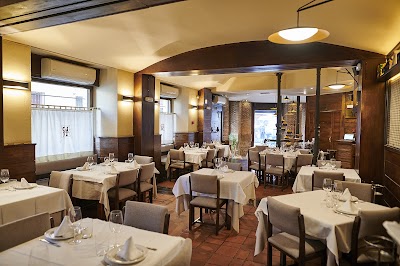
Casa Julián de Tolosa
€€€€Retiro
An exceptional Basque-style steakhouse famous for its precise grilling technique and use of thick, well-marbled beef.
Signature — Chuletón (aged beef ribeye) served with roasted red piquillo peppers
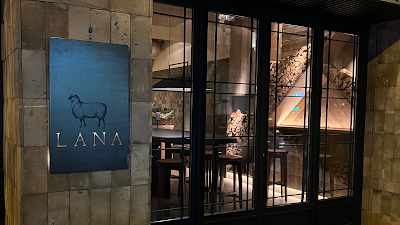
Lana
€€€€Chamberí
An intimate, upscale Argentine-inspired steakhouse focusing on premium, grass-fed cuts cooked over custom-designed charcoal grills.
Signature — Ojo de bife (ribeye steak)
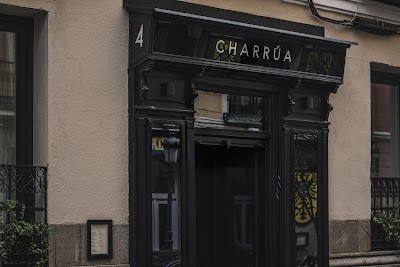
Charrúa
€€€Justicia
A stylish, candlelit grill house that sources premium beef from around the world, cooking it over oak charcoal.
Signature — Uruguayan ribeye
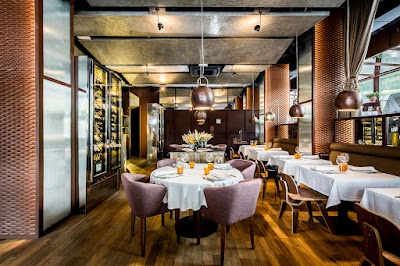
Rocacho
€€€€Chamartín
One of the few places in the city authorized to serve the legendary, deeply flavorful ox meat from El Capricho in León.
Signature — Ox meat chuletón
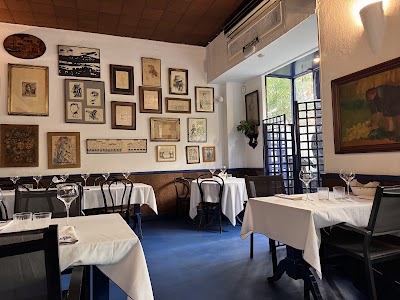
Sacha
€€€Chamartín
A beloved bistro-style classic with a leafy terrace, serving comforting, deeply flavorful meat and offal dishes with a cult following.
Signature — Bone marrow served with steak tartare
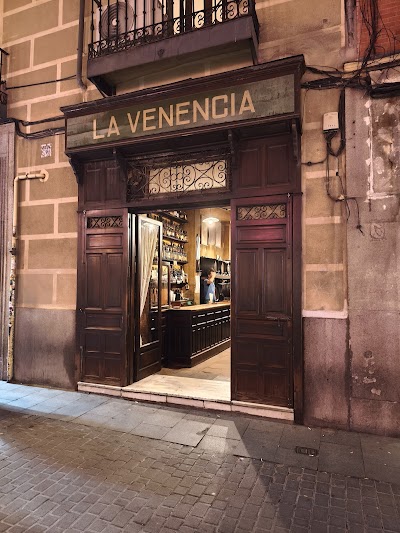
La Venencia
€Huertas
A historic, dusty sherry bar preserved from the Spanish Civil War era that only serves sherry, olives, and cured meats, and strictly forbids photos.
Signature — Manzanilla sherry with cured tuna loin (mojama)
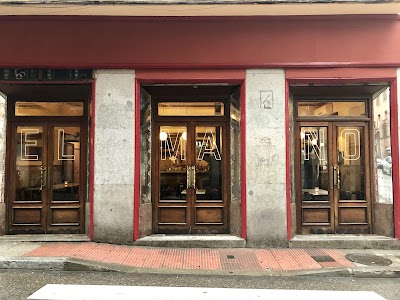
Bodegas El Maño
€Malasaña
A traditional neighborhood tavern with tiled walls and marble tables, serving classic, unpretentious local tapas.
Signature — Patatas bravas
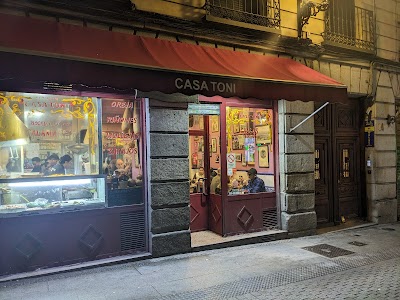
Casa Toni
€Centro
A gritty, authentic tavern specializing in traditional Madrid offal and grilled meats, popular with locals before a night out.
Signature — Crispy pig's ear (oreja de cerdo)
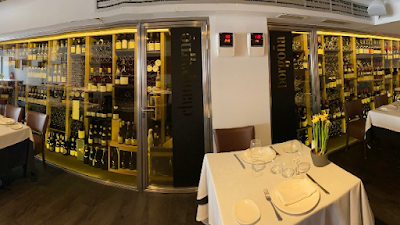
Taberna Laredo
€€€Retiro
An upscale tavern with an exceptional wine list and a bar counter piled high with pristine seasonal ingredients.
Signature — Grilled seasonal artichokes
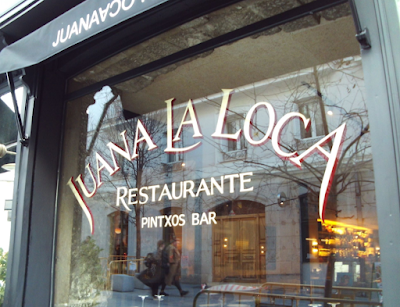
Juana La Loca
€€La Latina
A lively, modern tavern credited with popularizing the pintxo style of dining in the neighborhood.
Signature — Tortilla de patatas with caramelized onions
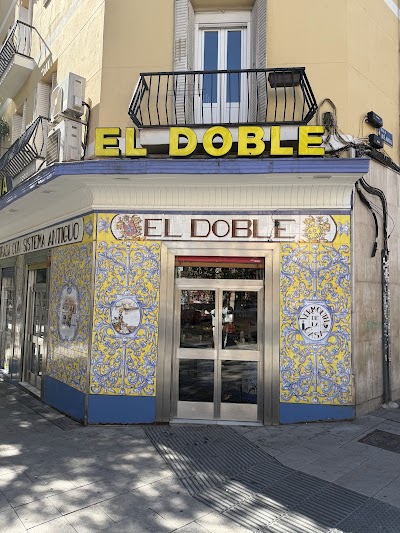
El Doble
€Chamberí
A classic double-pour beer tavern with walls covered in hand-painted tiles and photos of famous patrons.
Signature — Canned razor clams (navajas) served with house potato chips
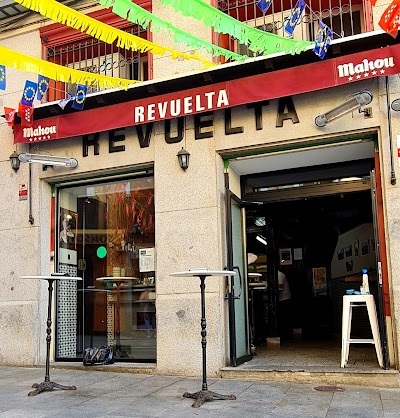
Casa Revuelta
€Centro
A tiny, standing-room-only tavern near Plaza Mayor that has specialized in a single fried fish recipe for decades.
Signature — Tajada de bacalao (battered and fried salt cod)
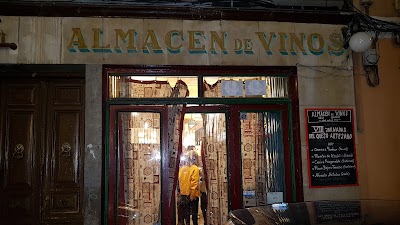
Casa Gerardo
€Centro
An old-school tavern with wooden barrels, famous for its vermouth on tap and traditional cheese selection.
Signature — Croquetas de jamón
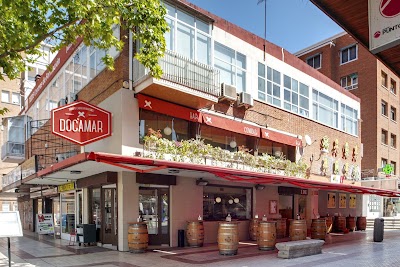
Docamar
€Quintana
Located slightly outside the center, this classic neighborhood bar is widely considered by locals to serve the best spicy potato sauce in the city.
Signature — Patatas bravas with proprietary spicy sauce

DiverXO
€€€€Tetuán
Chef Dabiz Muñoz's three-Michelin-starred sensory experience, offering an avant-garde, rule-breaking tasting menu.
Signature — The 'Flying Pigs' multi-course tasting menu
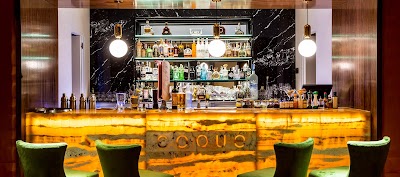
Coque
€€€€Chamberí
Led by the Sandoval brothers, this restaurant takes diners on a journey through different rooms, including the wine cellar, kitchen, and main dining room.
Signature — Crispy roast suckling pig (cochinillo)
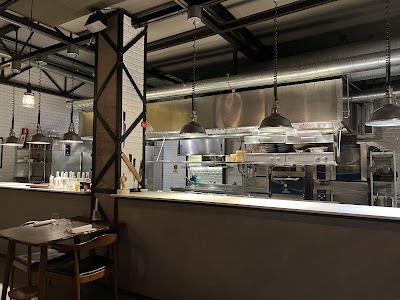
DSTAgE
€€€€Chueca
Chef Diego Guerrero's industrial-chic space offering a creative, rock-and-roll take on fine dining with heavy Japanese and Latin American influences.
Signature — Smoked eel with cotton candy
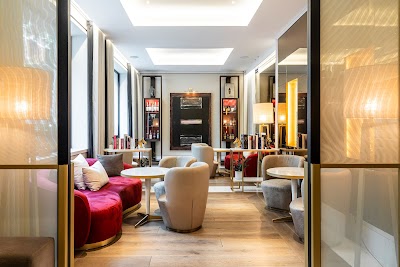
Saddle
€€€€Chamberí
A grand, classic dining room offering impeccable tableside service, a massive champagne selection, and refined contemporary dishes.
Signature — Sole Meunière prepared tableside
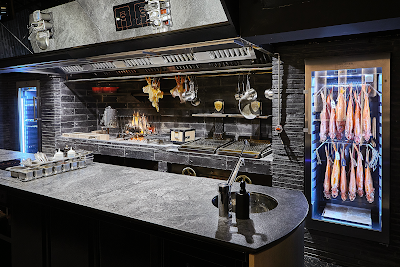
Smoked Room
€€€€Chamartín
An exclusive, fire-and-smoke-focused counter dining experience with only fourteen seats, offering a highly curated tasting menu.
Signature — Smoked butter with caviar
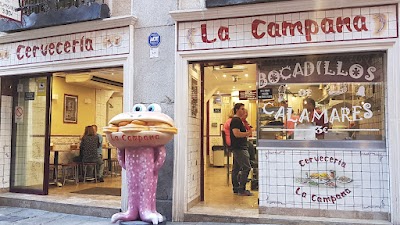
La Campana
€Centro
The definitive, no-nonsense spot near Plaza Mayor for the city's most famous budget sandwich, served hot and fast.
Signature — Bocadillo de calamares (fried squid sandwich)
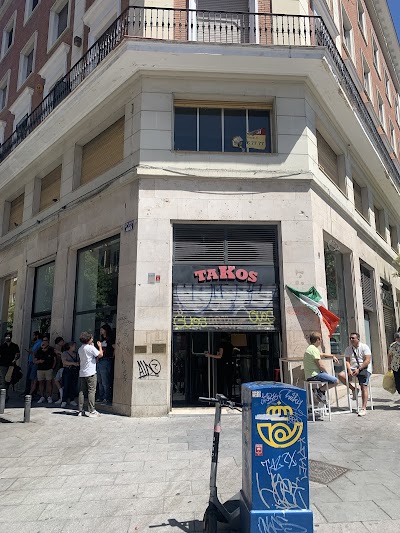
Takos al Pastor
€Centro
A consistently packed spot near Gran Vía serving incredibly cheap, authentic Mexican street tacos.
Signature — Tacos al pastor
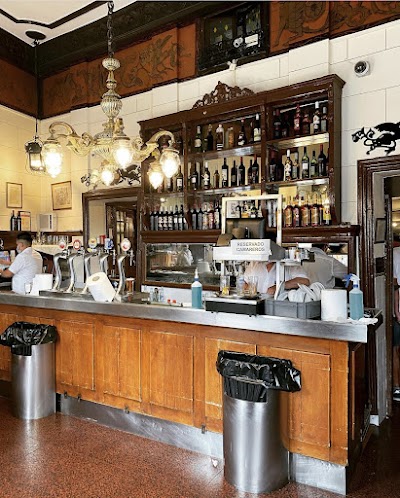
Casa Labra
€Centro
A historic tavern founded in 1860 where the Spanish Socialist Party was clandestinely established, still serving fried fish from a wooden counter.
Signature — Soldaditos de Pavía (fried cod strips)
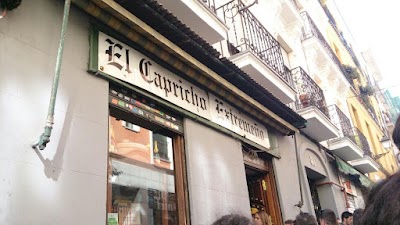
El Capricho Extremeño
€La Latina
A Sunday-only establishment catering to the Rastro market crowds with massive, open-faced toasted sandwiches.
Signature — Tostas topped with octopus and olive oil
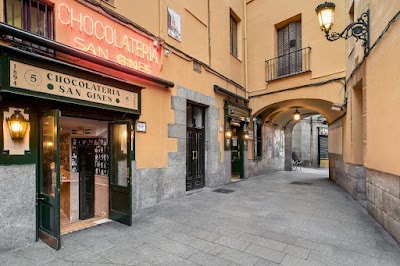
Chocolatería San Ginés
€Centro
Operating since 1894, this 24-hour green-tiled salon is the undisputed temple for late-night or early-morning sweet treats.
Signature — Churros con chocolate
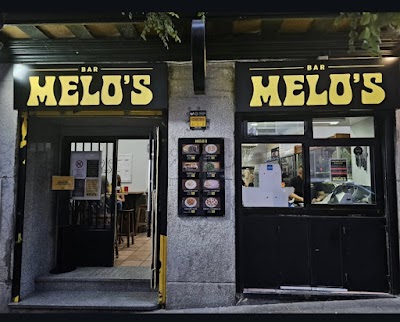
Melos
€Lavapiés
A legendary, crowded neighborhood tavern known for its massive portions of simple, comforting Galician-style dishes.
Signature — La Zapatilla (a massive ham and melted Tetilla cheese toastie)
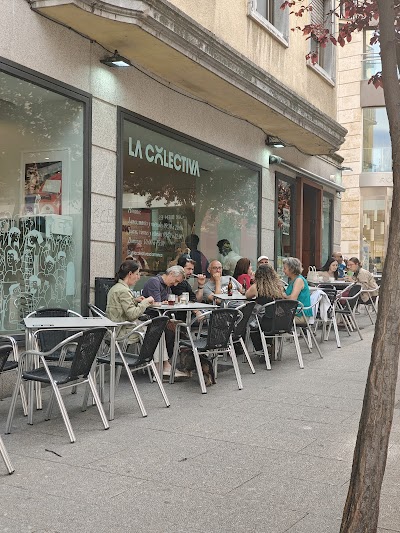
La Colectiva Café
€Chamberí
A quiet, minimalist cafe and bakery offering exceptional specialty coffee alongside entirely vegan pastries and light lunches.
Signature — Vegan cinnamon rolls
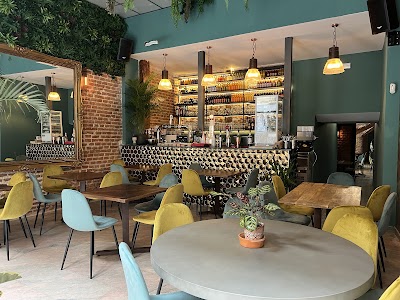
Distrito Vegano
€€Lavapiés
A lively, artistic tavern serving creative, hearty vegan comfort food made with locally sourced ingredients.
Signature — Vegan croquetas
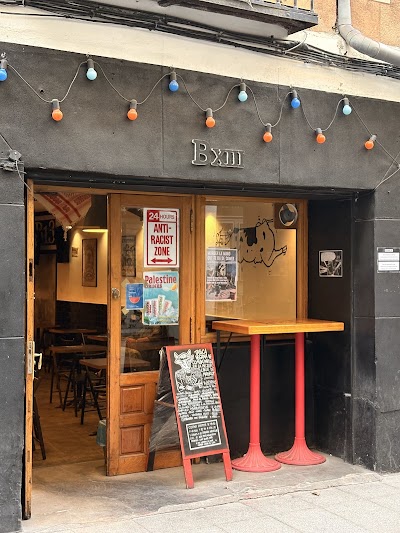
B13
€Malasaña
A casual, unpretentious vegan diner serving plant-based versions of classic Spanish tavern food at budget-friendly prices.
Signature — Vegan tortilla de patatas
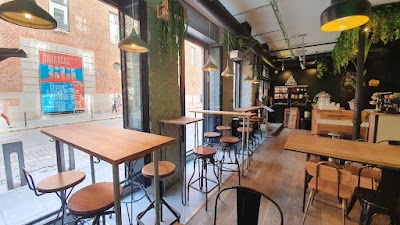
Frutas Prohibidas
€€Centro
A bright, modern cafe specializing in plant-based brunch, cold-pressed juices, and creative breakfast dishes.
Signature — Vegan eggs benedict
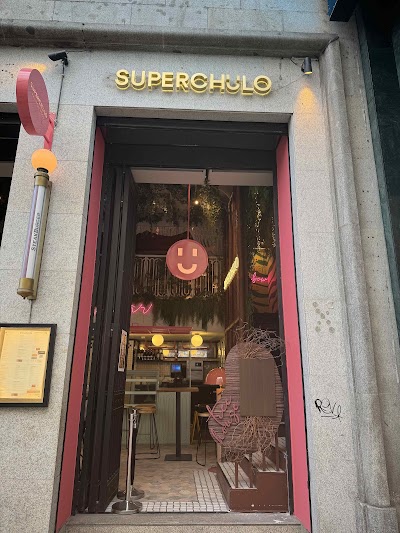
Superchulo
€€Malasaña
A colorful, health-conscious restaurant focusing on creative, colorful plant-based dishes in a stylish setting.
Signature — Blue velvet gnocchi
After dark
Nightlife

Mondo Disko
Centro
The city's premier underground electronic music institution, hosting top-tier international techno and house DJs weekly.

Teatro Kapital
Atocha
A massive, world-famous club housed in a former multi-story theater, featuring seven distinct floors with different music styles.

Lula Club
Gran Vía
A sleek, velvet-draped venue on Gran Vía that brings a touch of classic disco glamour and house music to the center.
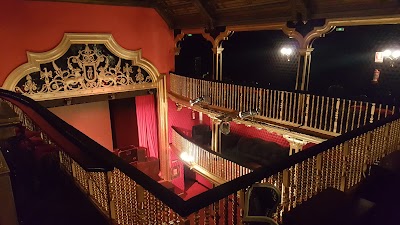
Cha Chá The Club
Centro
A private-feeling, weekly event that serves as a creative hub for the city's fashion, art, and music crowds.
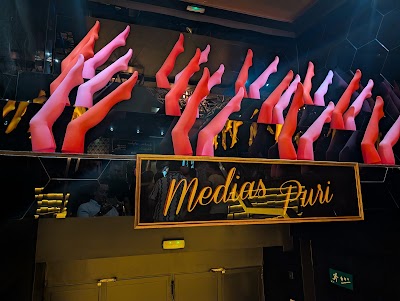
Medias Puri
Tirso de Molina
A club hidden behind the storefront of a traditional haberdashery, featuring live cabaret performances and aerialists.
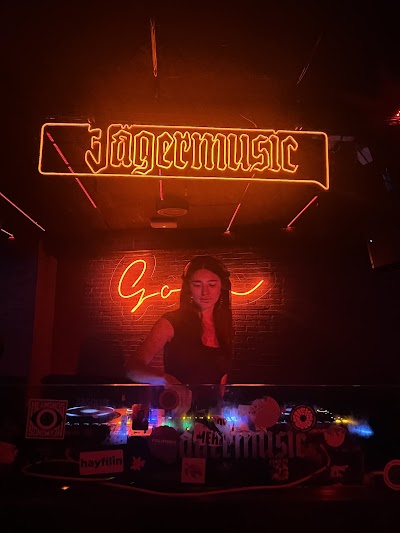
Goya Social Club
Salamanca
An intimate basement club in the upscale Salamanca district, known for its high-quality sound system and deep house music.
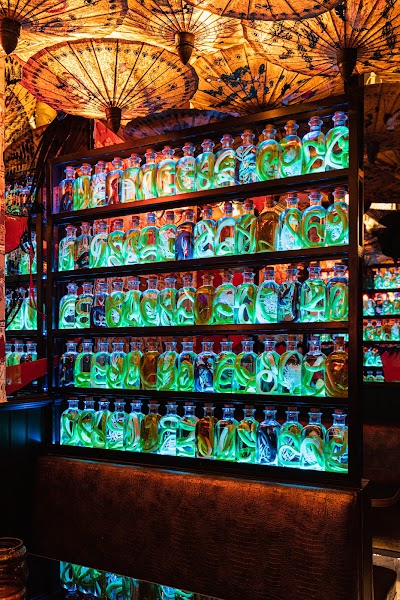
Salmon Guru
Huertas
A world-renowned cocktail den led by mixologist Diego Cabrera, featuring whimsical, custom-designed glassware and bold flavor profiles.
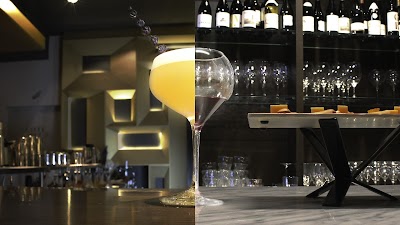
Angelita
Centro
A sophisticated basement speakeasy run by two brothers, focusing on farm-to-glass cocktails and an exceptional wine list.
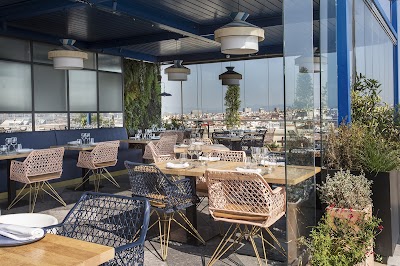
Rooftop at Círculo de Bellas Artes
Centro
Offers one of the most iconic panoramic views of the Madrid skyline, looking directly down onto the Metropolis building.
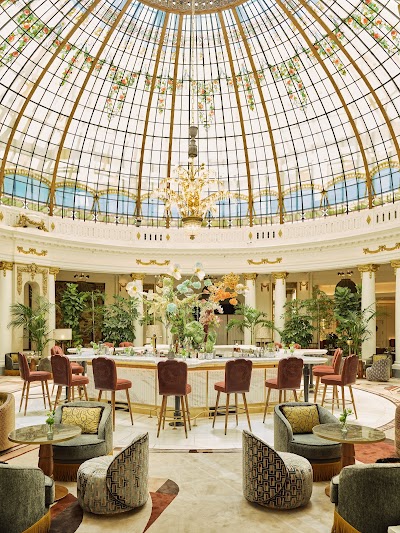
1912 Museo Bar
Palacio
Located inside the historic Westin Palace hotel, this bar has served classic cocktails to historical figures like Hemingway and Dalí.
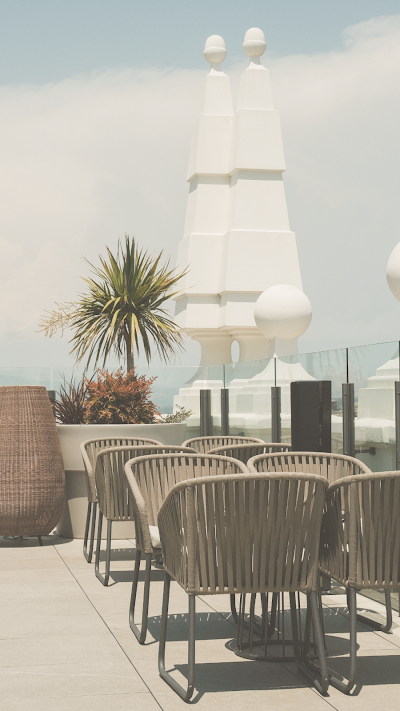
360° Rooftop Bar (Riu Plaza España)
Centro
Located on the 27th floor, featuring a dramatic glass walkway that lets you look directly down at the streets below.
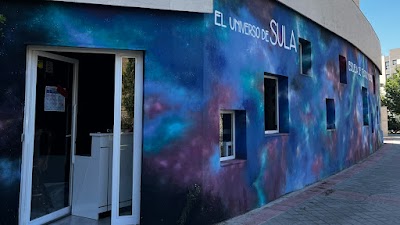
Sula
Salamanca
A sleek, modern space that combines high-end Spanish charcuterie with a refined, contemporary cocktail menu.
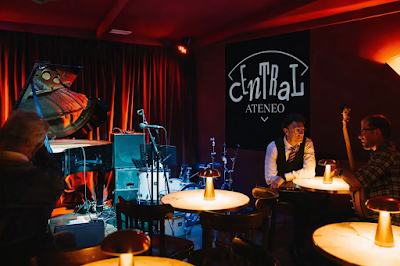
Café Central
Centro
A legendary jazz club operating for over four decades in a beautiful, high-ceilinged historic cafe space.
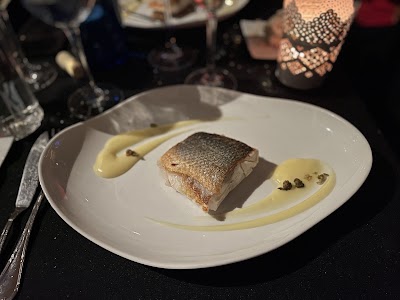
Corral de la Morería
La Latina
Widely considered the most prestigious flamenco tablao in the world, featuring top-tier artists and a Michelin-starred dining room.
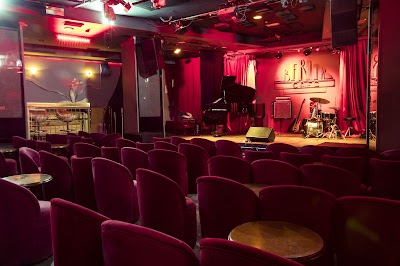
Café Berlín
Centro
An eclectic venue hosting everything from jazz and soul to flamenco fusion and late-night DJ sets.
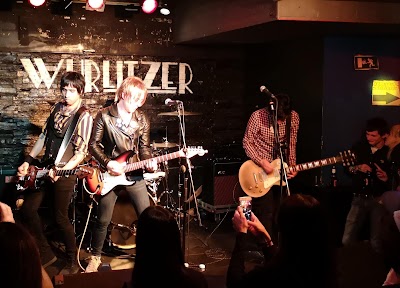
Wurlitzer Ballroom
Gran Vía
A legendary rock and punk sanctuary that hosts live bands before transforming into a late-night rock club open until 6:00 AM.
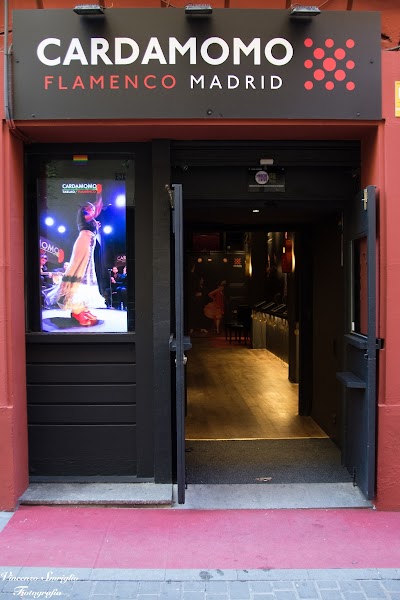
Cardamomo
Centro
A raw, passionate flamenco venue that focuses on the improvisational purity of the art form.
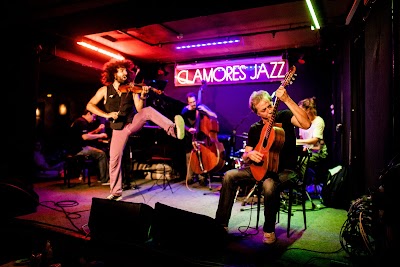
Clamores
Chamberí
A historic venue that has hosted legendary jazz, soul, and funk artists since the early 1980s.
Art & history
Culture
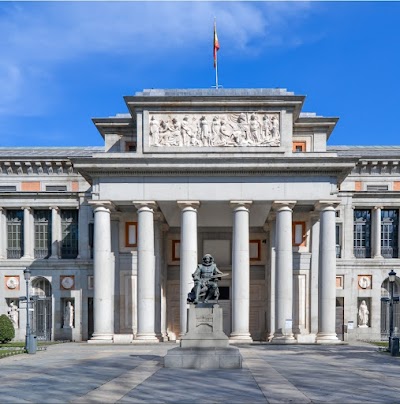
Prado Museum
Retiro
Houses the definitive collection of Spanish masters, including Velázquez's 'Las Meninas' and Goya's haunting 'Black Paintings'.
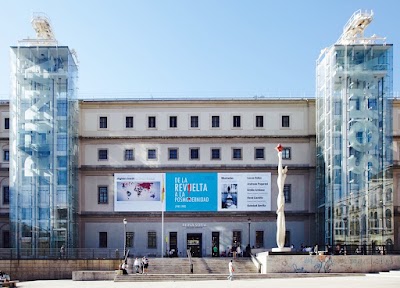
Reina Sofía Museum
Atocha
Spain's national museum of 20th-century art, home to Picasso's monumental anti-war masterpiece, 'Guernica'.
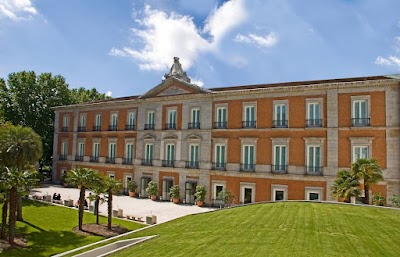
Thyssen-Bornemisza Museum
Cortes
An extraordinary private collection that fills the historical gaps between the Prado and Reina Sofía, spanning Italian Gothic to Pop Art.
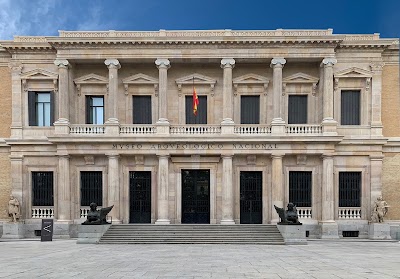
National Archaeological Museum (MAN)
Salamanca
Traces the history of the Iberian Peninsula from prehistory through the Roman and medieval eras, featuring the famous 'Lady of Elche'.
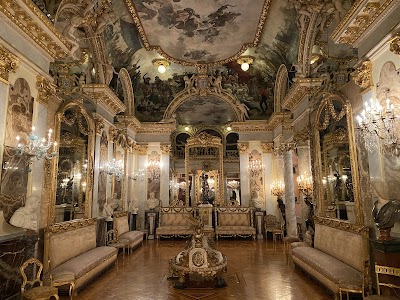
Cerralbo Museum
Argüelles
The incredibly opulent, preserved 19th-century mansion of the Marquis of Cerralbo, packed with thousands of pieces of art, armor, and antiques.
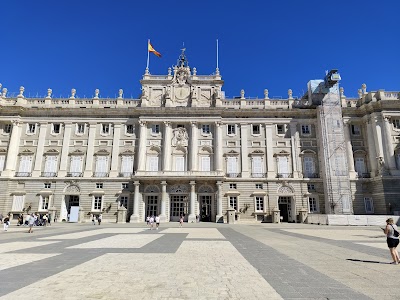
Royal Palace (Palacio Real)
Palacio
The largest functioning royal palace in Europe, featuring stunning frescoes, historical armor, and the royal pharmacy.
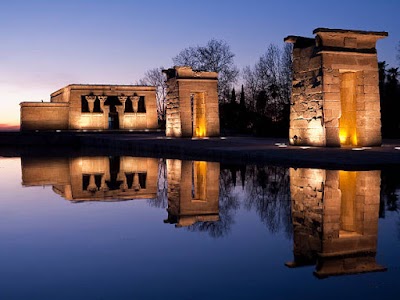
Temple of Debod
Moncloa
An authentic 2nd-century BC Egyptian temple that was gifted to Spain in 1968 and rebuilt in a scenic park overlooking the city.
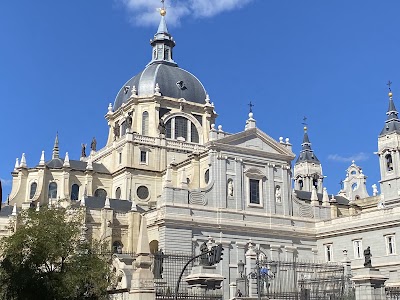
Almudena Cathedral
Palacio
A neo-Gothic cathedral with a surprisingly modern, colorful interior and a crypt featuring over 400 columns.
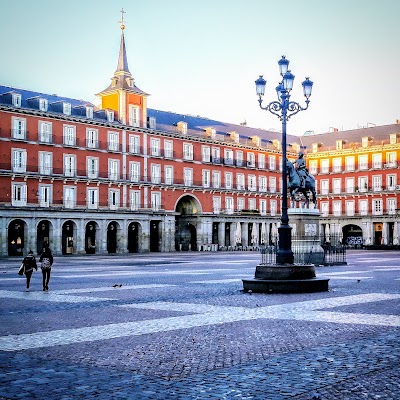
Plaza Mayor
Centro
The grand, symmetrical 17th-century arcaded square that has hosted royal coronations, bullfights, and trials during the Inquisition.
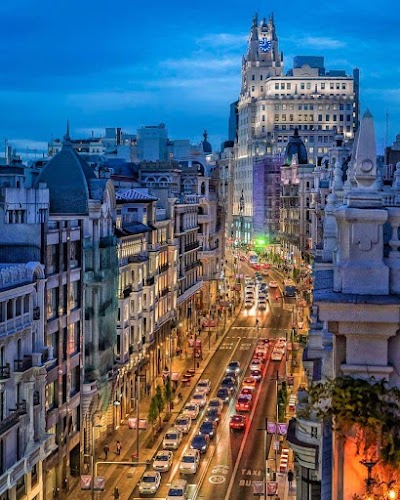
Gran Vía
Centro
Madrid's early 20th-century boulevard, lined with grand, American-influenced skyscrapers and historic cinemas.
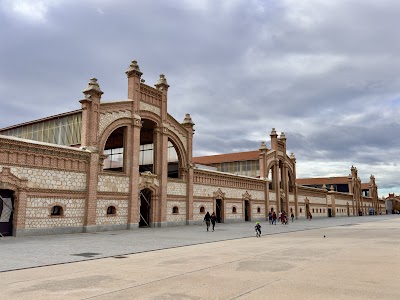
Matadero Madrid
Arganzuela
A massive, former neo-Mudéjar slaughterhouse converted into a dynamic contemporary arts complex featuring design, theater, and cinema.
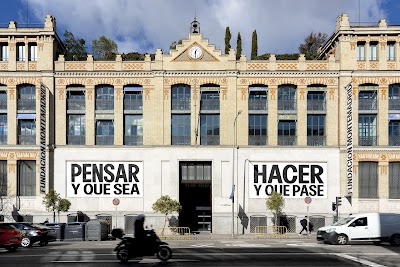
La Casa Encendida
Lavapiés
A vibrant cultural center hosting cutting-edge contemporary art exhibitions, performance art, and social programs.
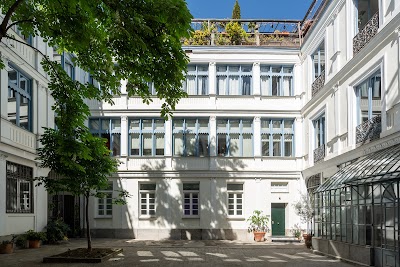
Galería Elba Benítez
Justicia
One of the city's most respected contemporary art galleries, showcasing conceptual art across various media.
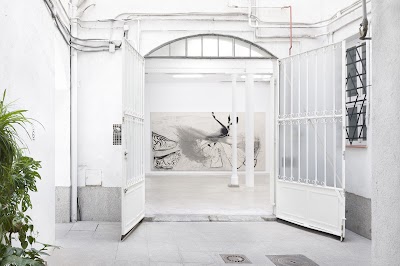
Galería Heinrich Ehrhardt
Justicia
Focuses on dialogue between contemporary German and Spanish artists, presenting highly curated solo and group exhibitions.
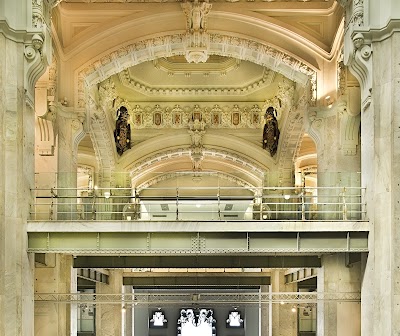
CentroCentro
Cortes
Housed inside the monumental Palacio de Cibeles, this cultural space hosts exhibitions focused on urban life, design, and contemporary culture.
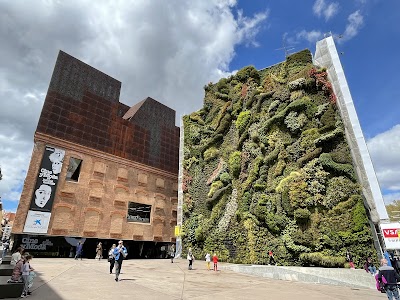
CaixaForum Madrid
Cortes
A striking cultural center designed by Herzog & de Meuron, housed in a renovated power station featuring a massive vertical garden.
Book ahead
Top-rated experiences in Madrid

Small Group Skip-the-Line Tour of the Prado Museum
from $59

Madrid Food Tour in a Neighborhood Market with Churros
from $105

Windmills of Don Quixote Wine Tour & Tasting from Madrid
from $188

Malasaña and Chueca A Tour That Shouts Freedom
from $4

Prado Museum Madrid Guided Tour Semi-Private 6ppl Max
from $157

Madrid Thyssen Museum Small Group Guided Tour
from $56

Madrid - Medieval to Modern Walking Tour (English)
from $4

Explore Madrid by bike taking photos with Benja
from $58
Prices from Viator; we may earn a commission when you book — at no extra cost to you. Tours are sold and operated by Viator, the merchant of record. Ratings are collected by Viator and Tripadvisor.
Timing
When to visit
Spring
From April to June, the city is at its best. Temperatures are warm, the parks are green, and the outdoor terraces are packed with locals enjoying afternoon drinks.
Summer
July and August bring intense, dry Castilian heat. Many independent shops and restaurants close for several weeks in August as locals head to the coast.
Autumn
September to November brings cool breezes and golden light, making it an ideal time for walking through the historic center and Retiro Park.
Winter
December to March is cold and crisp, but often accompanied by clear blue skies. It is the perfect season for heavy local stews and quiet museum visits.
What it costs
Budgeting
Logistics
Getting around
From the airport
The Exprés Aeropuerto bus runs 24 hours a day, connecting Madrid-Barajas Airport to Atocha station in about 40 minutes. Alternatively, Metro Line 8 runs directly to Nuevos Ministerios, and the Cercanías commuter train (Line C1) connects Terminal 4 to the central stations.
Public transit
The Metro network is clean, fast, and exceptionally easy to navigate. It is complemented by an extensive EMT bus system that includes night buses known as 'búhos'.
Passes & tickets
The Tarjeta Multi is a rechargeable public transport card. You can load it with a 10-trip ticket (Metrobús) which covers both the Metro and EMT buses within Zone A, offering significant savings over single tickets in the € band.
On foot
The historic center is highly walkable, with major sights, restaurants, and neighborhoods clustered close together, though some areas like Lavapiés and La Latina feature steep inclines.
Travel smart
Safety & etiquette
Local etiquette
- •Tipping is not mandatory; locals simply leave small change at casual spots or 5-10% at high-end restaurants for exceptional service.
- •Do not expect quick service in traditional restaurants; dining is meant to be a slow, social experience.
- •Avoid wearing beachwear or athletic clothing when dining out in the evening; locals tend to dress smart-casual.
From the ground
Practical tips
1
Order 'agua del grifo' (tap water) instead of bottled water to save money, as it is perfectly clean and tastes great.
2
Take advantage of the free entry hours at the Prado and Reina Sofía, which occur in the late afternoons.
3
Avoid eating on Plaza Mayor; walk one block away to find better quality food at half the price.
4
Buy a 10-trip 'Tarjeta Multi' transit card, which can be shared among multiple people traveling together.
5
If visiting El Rastro on Sunday, keep your backpack on your front and your phone in your front pocket.
6
Look for the 'Menú del Día' for lunch—it is the best value meal in Spain.
Madrid FAQs
Do I need to book museum tickets in advance?
Yes, especially for the Prado and Reina Sofía to secure your preferred time slot and avoid long lines.
What is a 'Menú del Día'?
A highly economical, three-course lunch menu offered by almost all traditional restaurants on weekdays.
Is tap water safe to drink in Madrid?
Yes, Madrid has some of the best, cleanest tap water in Spain, sourced from the nearby Guadarrama mountains.
When do shops close for siesta?
Large chains and department stores stay open all day, but smaller family-run shops may close between 2:00 PM and 5:00 PM.
How late does the Metro run?
The Metro runs daily from 6:00 AM until 1:30 AM.